Fast Hiking Boots: Technical Selection Criteria
Article published on 21 September 2026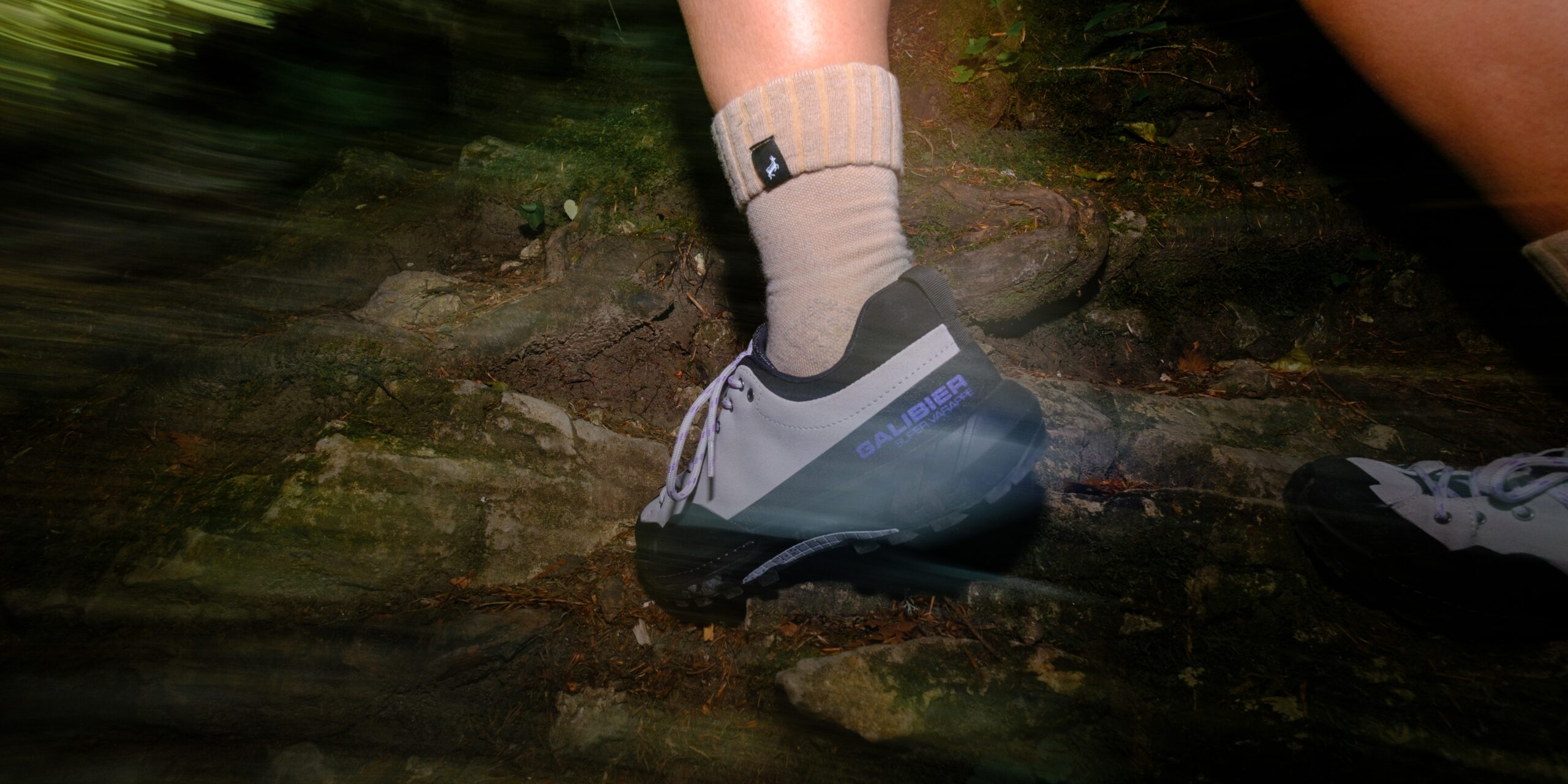
A fast hiking shoe must meet specific biomechanical requirements. The need to move quickly in the mountains has transformed our approach to gear. Fast hiking, often called speed hiking, involves maintaining a steady pace over varied terrain and requires significant physical effort.
Finding the best fast-hiking shoes means striking the perfect balance between foot protection and a springy stride. This guide details the essential criteria for making the right choice, without ever sacrificing your safety for the sake of ultra-lightweight gear.
Fast hiking: definition and uses
Fast hiking falls right between traditional hiking and mountain running. It involves walking briskly, with the hiker actively walking uphill and significantly lengthening their stride on flat terrain or downhill.
Unlike trail running, which involves a phase of being off the ground, walkers always maintain contact with the ground. There are many ways to enjoy it, ranging from a few-hour outing after work to a fast-paced, multi-day Alpine traverse.
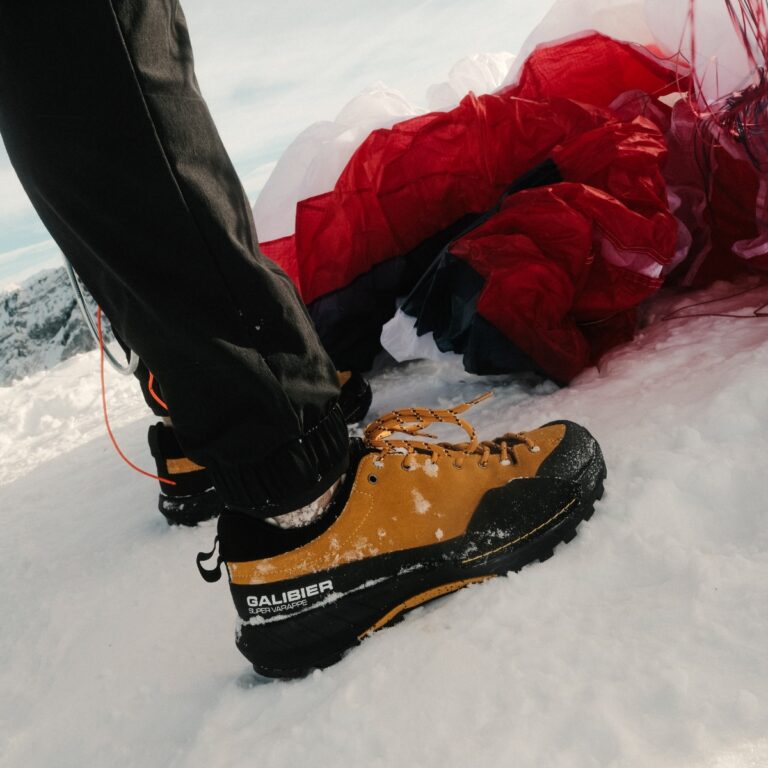

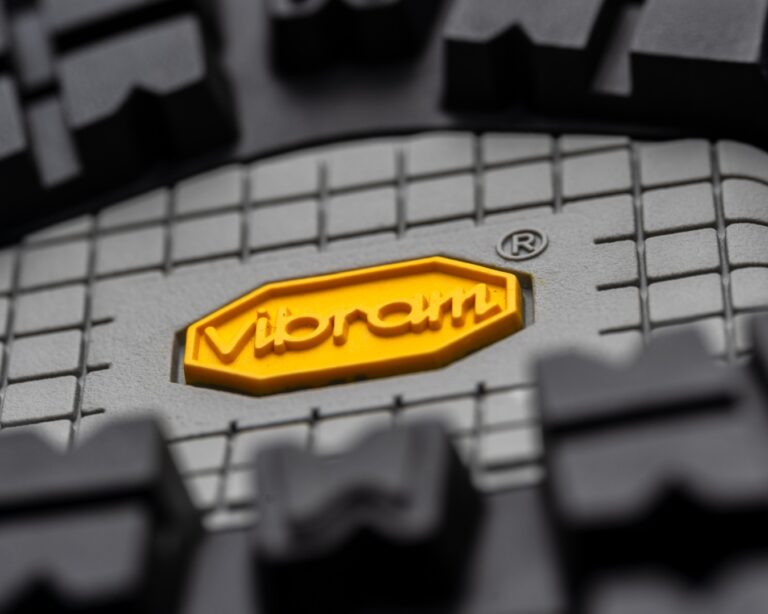
Getting the right pair of shoes is just the first step in your preparation. Fast hiking requires an excellent understanding of your surroundings to maintain a smooth pace safely.
To deepen your knowledge of this sport, understand its challenges, and learn about best practices, you can consult the official FFRandonnée guide. It’s an essential resource for planning your hikes and enjoying the trails with peace of mind.
Spotlight on the Galibier Models
In today’s market, which is dominated by disposable models, Galibier offers a reliable alternative. Whether you’re looking for men’s fast hiking shoes or women’s fast hiking shoes, our low-cut models combine traditional craftsmanship with technical innovation.
Super Varappe Low: fast hiking shoe
The Super Varappe Low perfectly embodies this philosophy. It combines water-repellent Perwanger leather with a Dyneema tongue. Weighing in at 810 grams, it offers exceptional agility for fast climbing on technical trails.
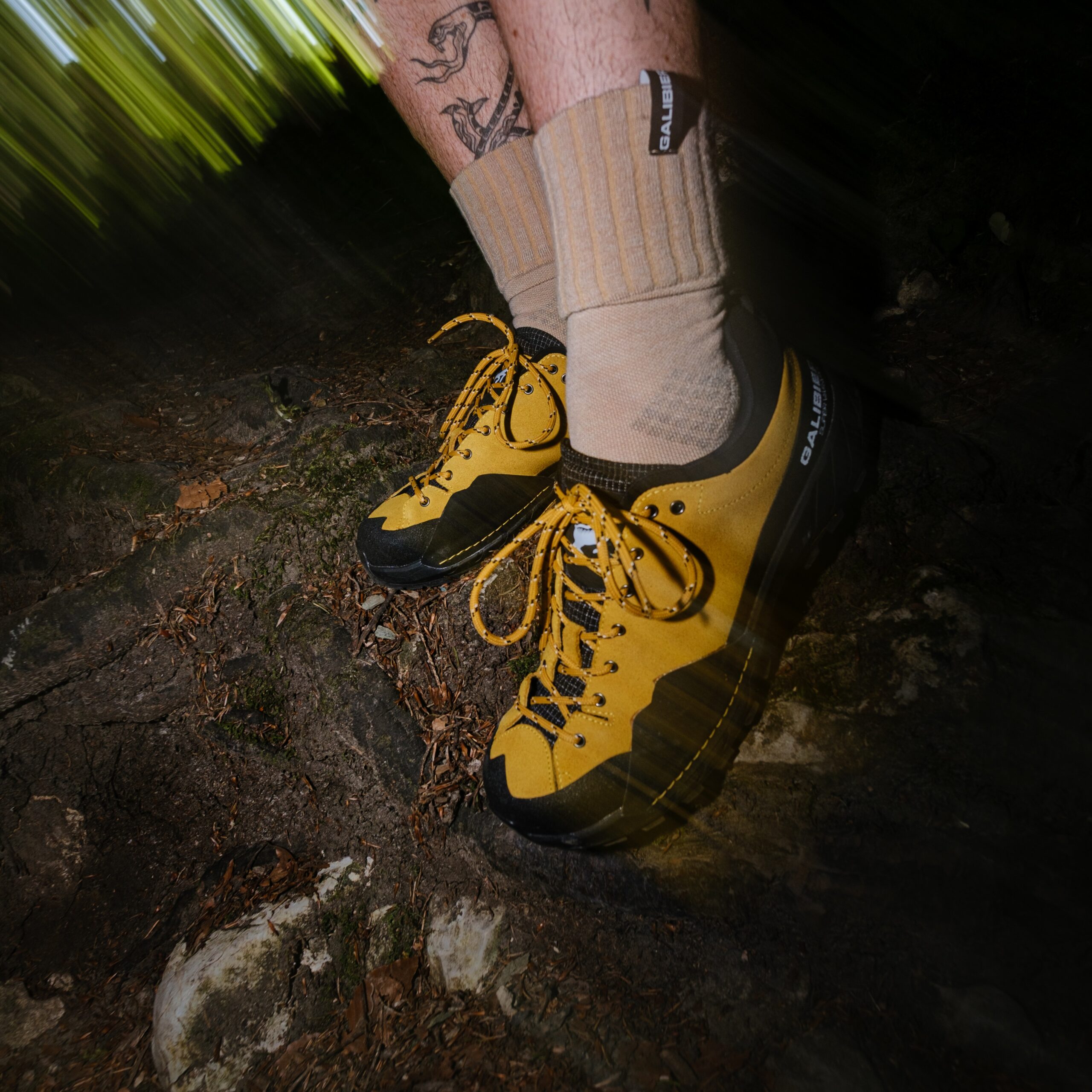
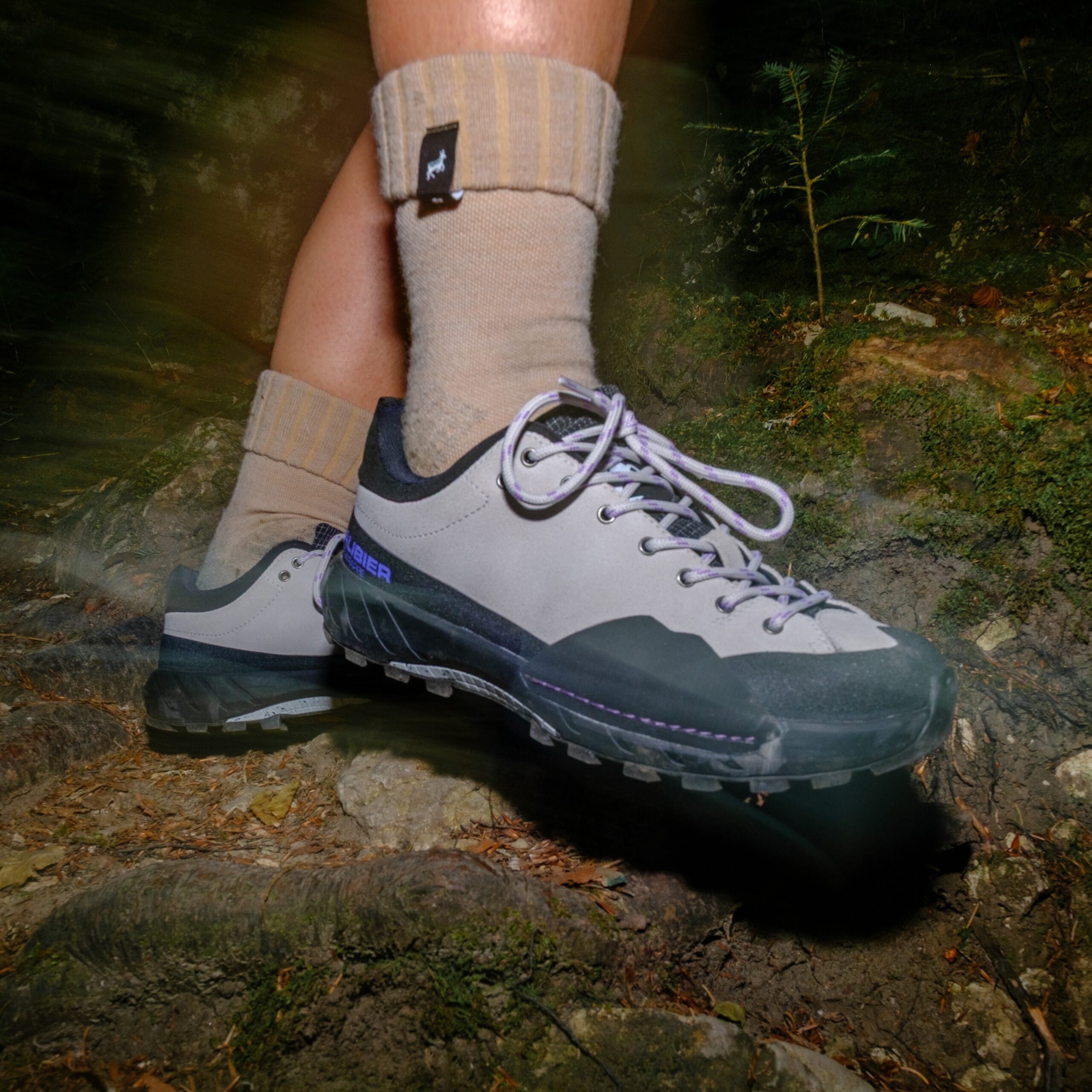
The women's model, featuring the same hybrid Perwanger leather and Dyneema construction, is optimized for fast hiking thanks to its resistance to abrasion and moisture. The Super Varappe Low delivers precision, responsiveness, and reliability on vertical terrain.
Super Rando Low: Innovation for Speed Hiking
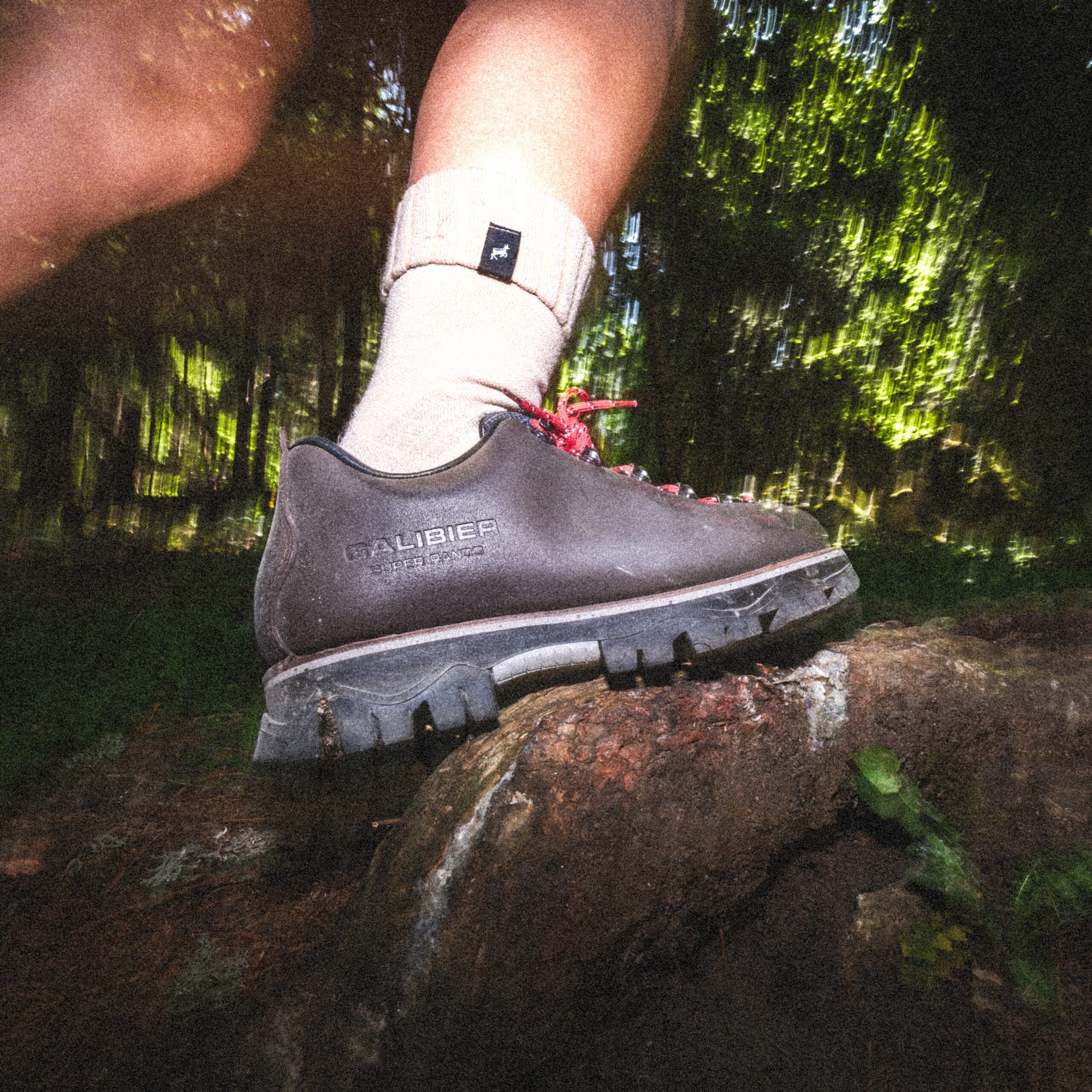
For its part, the Super Rando Low features a lighter one-piece upper for improved breathability. It’s the perfect shoe for racking up the miles at a steady pace. These fast hiking shoes for men and women guarantee long-lasting reliability.
The Features of a Fast Hiking Shoe
A fast hiking shoe must be designed to handle the biomechanical stresses of an outdoor hike. The technical challenge lies in striking the perfect balance between protection against obstacles and agility to ensure a dynamic stride over the long haul.
Lightweight and Grippy: Speed Hiking
The weight of your shoes directly affects your energy expenditure. Reducing the weight you have to lift with each step helps delay muscle fatigue over long distances. Hiking shoes help you push off more effectively. Good energy return in the midsole further enhances this natural momentum, helping you maintain a fast pace.
Speed requires blind confidence in your footing. Traction on technical terrain, wet rocks, or loose ground is non-negotiable. At the same time, stability at high speeds requires a firm hold on the heel and instep. This support is often provided by highly structured low-cut uppers that hug the foot without restricting ankle movement.
Fast hiking shoes: breathability
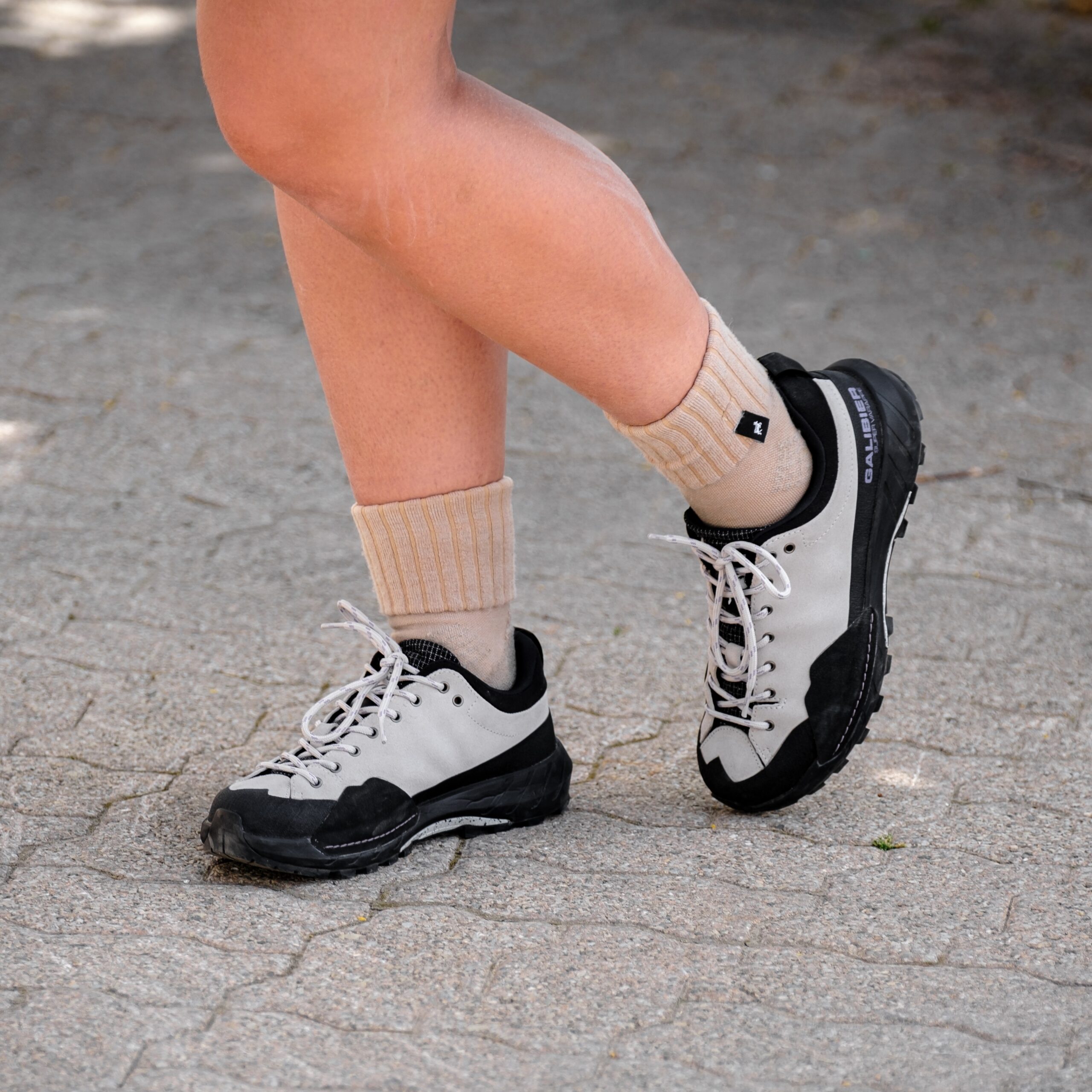
An intense pace inevitably causes a rapid rise in body temperature. Moisture wicking becomes crucial to prevent overheating and blisters. A good pair of fast hiking boots incorporates materials that promote airflow while protecting against abrasion.
How to Choose Fast Hiking Shoes
There is no such thing as a one-size-fits-all fast hiking boot. Before analyzing the technical specifications on the shelf, it’s crucial to consider how you’ll actually use them in the mountains. The nature of the terrain and the precision of the fit are the two key factors that should guide your choice of gear.
Speed Hiking: Adjusting Your Footwear Fit
On technical trails, opt for a torsionally rigid sole. For mixed, less rugged terrain, more flexible shoes will do the trick. The intensity of your activity also dictates your choice. Regular, high-intensity running requires technical materials capable of withstanding significant mechanical stress over time.

The fit is the key step. Try on your shoes in the late afternoon with your hiking socks on, checking two areas: first, the heel, which shouldn’t slide up and down when you simulate a steep climb; then the forefoot, where your toes shouldn’t bump against the front of the shoe when you simulate a descent.
A hiking boot designed for fast hiking provides precise feedback from the ground, allowing you to anticipate obstacles.
Hiking vs. Trail Running vs. Fast Hiking
The dividing line is extremely clear.
Traditional hiking emphasizes carrying capacity and protection through the use of tall, relatively rigid poles.
In contrast, trail running shoes are designed exclusively for running, with cushioning engineered to absorb hard impacts from the ground.
Fast hiking shoes strike the perfect balance. They provide the protective and secure stride of walking while allowing for the agility needed to pick up the pace.
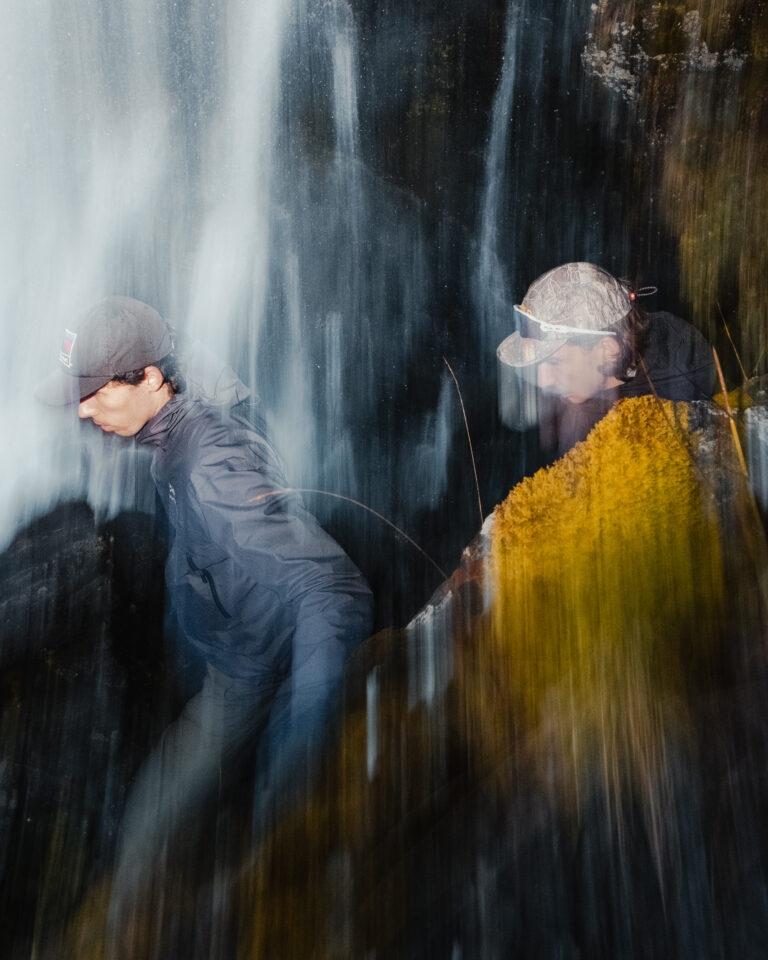

The most common mistake is choosing a model that’s too lightweight at the expense of overall support. Running fast with a backpack—even a minimalist one—while wearing trail shoes with insufficient support puts the runner at direct risk of sprains. The other pitfall is completely confusing it with running gear.
The pursuit of weight savings should never compromise your safety in the mountains.
FAQ – Fast Hiking Shoes
GALIBIER

Speed hiking originated from the desire of mountaineers and experienced hikers to cover more distance in less time. The sport draws inspiration from the lightweight nature of mountain running gear, while retaining the fundamentals of race walking.
No. Our models are designed for racewalking. Their outsole provides exceptional traction and support, but it is not designed to absorb the repetitive, high-impact forces of running.
Trail running involves a bounding stride. Fast hiking involves walking quickly without ever lifting both feet off the ground at the same time. The shoe’s design therefore differs in terms of heel cushioning and torsional stiffness to ensure a secure footing with every step.
Investing in a Galibierfast hiking shoe means choosing reliable gear that’s built for endurance and can be repaired. Discover our models to take your fast mountain hikes to a whole new level.