Men's Hiking Boots: How to Choose the Right Pair?
Article published on July 8, 2025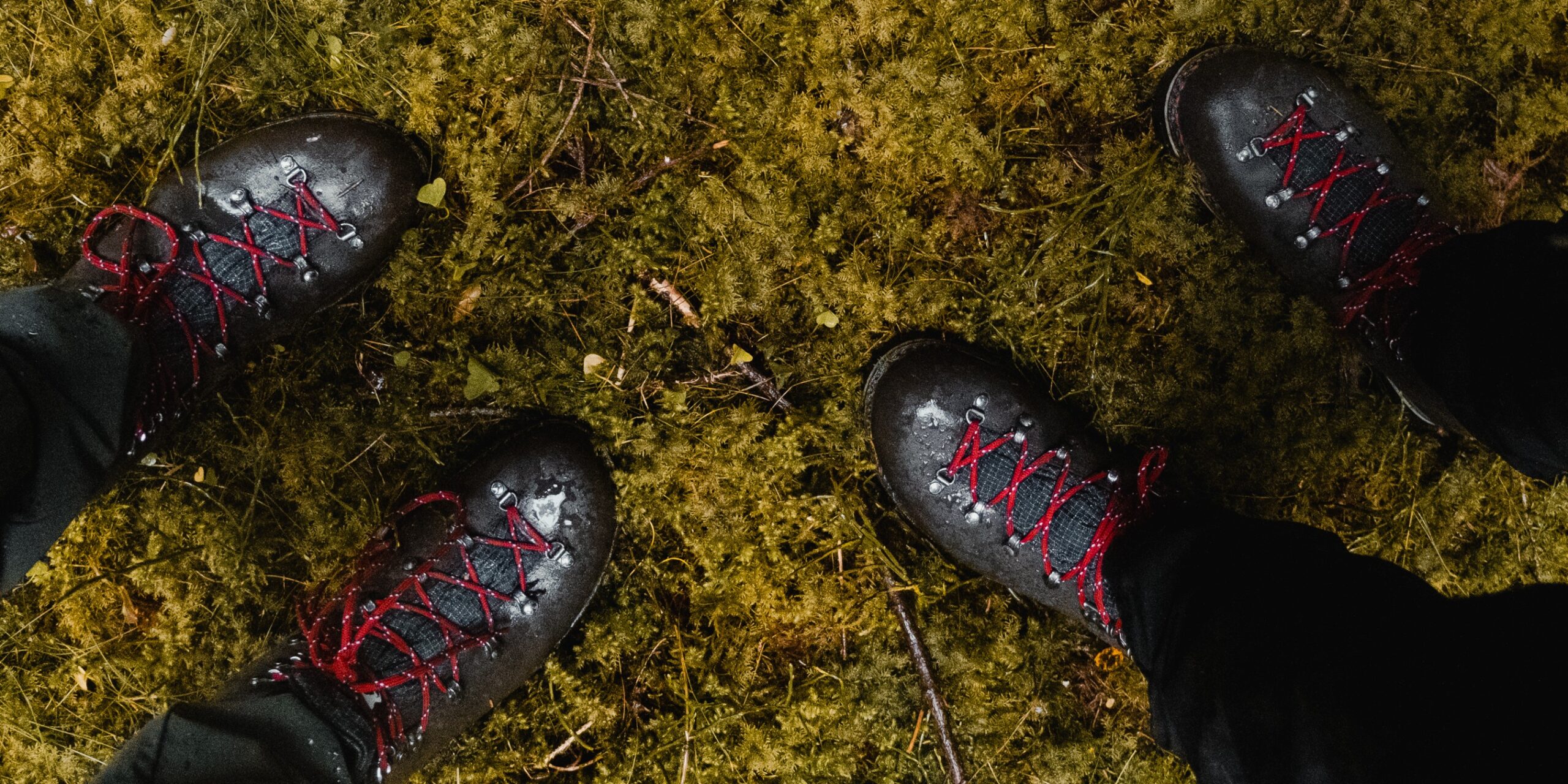
Performance, comfort, and stability on any terrain. A men’s hiking boot should support every step, from forest trails to steep ridges. Foot type, intended use, season: Discover our tips for choosing the right pair—one that’s suited to the season, your activity, your foot type, and your needs.
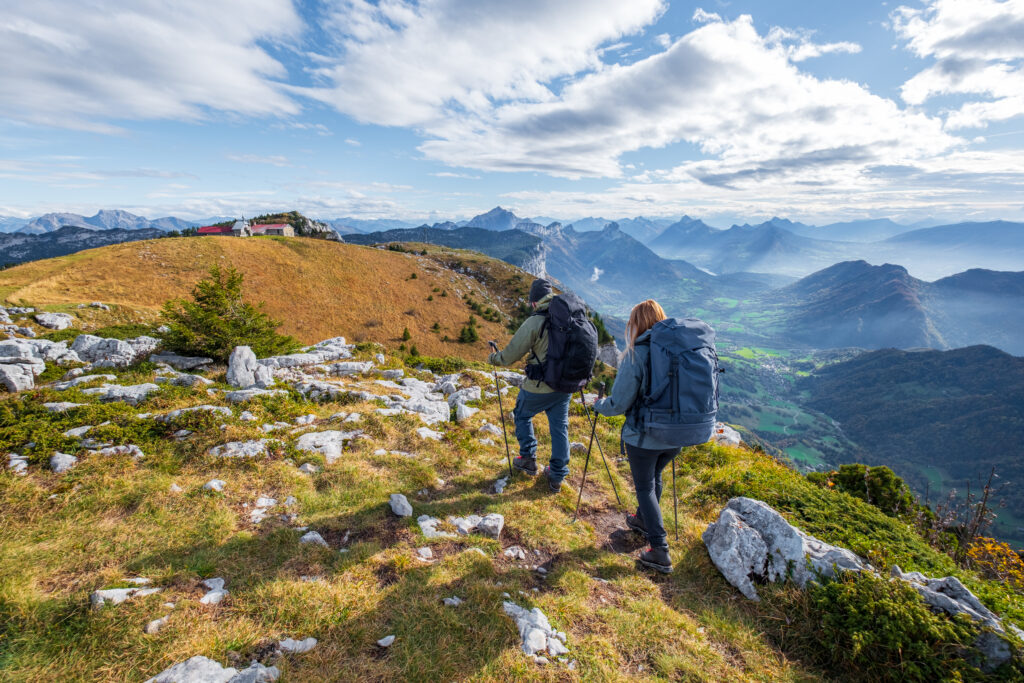
From the occasional hiker to the long-distance trekking enthusiast, every hiker has their own habits, favorite terrains, and needs. However, they all have one thing in common: the need for reliable and appropriate gear—especially when it comes to shoes.
You shouldn't just pick any men's hiking boot at random. It needs to be designed for the male foot, which is wider and bulkier than the women’s hiking boots. At the same time, they must provide optimal support throughout your hike. They must also be able to handle sometimes extreme conditions: steep slopes, muddy terrain, high temperatures, or freezing cold.
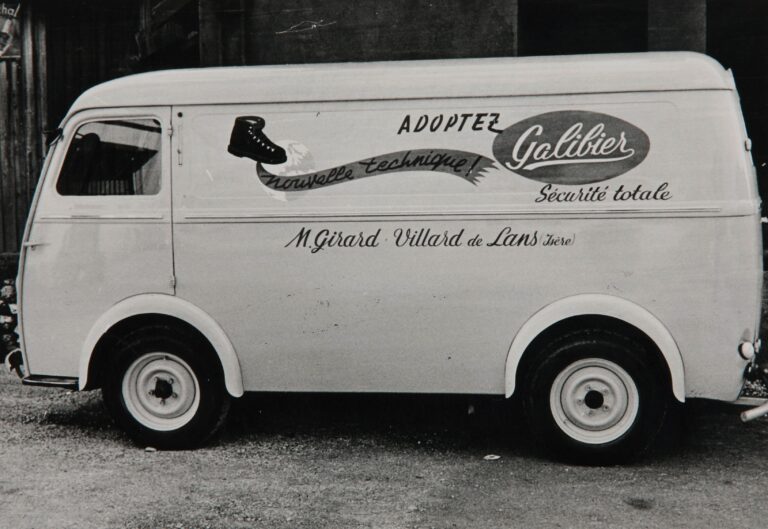
At Galibier, we’ve been designing shoes capable of meeting these challenges for over a century. In this guide, you’ll find the key tips for choosing the right men’s hiking boots—based on your hiking style, your expectations, and the terrain conditions.
Features of Men's Hiking Boots
Men's hiking boots are designed to meet the specific needs of the male anatomy, which is often characterized by a wider foot, a higher instep, and a more pronounced arch. These characteristics directly influence the choice of fit and the support technologies that should be prioritized.
A good fit is essential. If the shoe is too tight, it creates pressure points and impairs blood circulation. If it’s too loose, it causes friction and instability, especially on uneven terrain. That’s why men’s hiking boots must be well-constructed.
In fact, it’s recommended in this case to choose a size larger than your usual shoe size. This is because, when hiking, your feet swell due to prolonged exertion and actually require more space and freedom.

Lacing
The lacing will also play a role in ensuring freedom of movement for the foot. Don't tie them too tightly to avoid restricting blood flow, but tie them tightly enough to provide good support and stability.
Of course, you can adjust the lacing during your hike—loosening them slightly during a long climb and tightening them again before the descent. Support is another key factor. A well-designed model wraps around the foot without constricting it, stabilizes the ankle, and ensures a firm footing on any type of terrain.
Finally, comfort should never be overlooked. It depends as much on the quality of the materials as on the shoe’s internal structure: the insole, lacing system, and padding of the collar (the upper part that wraps around the ankle). A well-designed men’s hiking boot offers good cushioning, reliable lateral stability, and, above all, helps reduce fatigue over time.
In short, choosing the right men's hiking boots means finding the right balance between comfort, support, and fit, while taking into account your foot shape and the trail you'll be hiking.
Choose Wisely Based on Intended Use and Terrain
Hiking for men can take many different forms: an occasional walk on marked trails, a multi-day trek in the mountains, or even a winter ascent on technical terrain. That’s why the choice of hiking boots should be closely tied to the frequency of your outings, weather conditions, and the type of terrain.
Casual vs. Intensive Hiking
For occasional hikes—whether day hikes or hikes on easy trails—it’s best to choose a shoe that’s lightweight, flexible, and comfortable right from the start. A low-cut or mid-cut model with good breathability will suffice. It allows you to cover kilometers without overheating or putting too much strain on your feet.
On the other hand, for intensive activities such as multi-day hikes with significant elevation gain, it is essential to choose a more rugged hiking boot. It should provide excellent ankle support, good cushioning, and increased abrasion resistance. This requires a reinforced structure, a thick sole, and a high-cut upper.
In this case, leather is a recommended material for men's hiking boots. Admittedly, it will take a little time for the leather to mold to your foot and become comfortable. But it's a long-term investment—once that break-in period is over, they'll last a lifetime!
Summer, winter, hot and cold weather
In the summer, on dry terrain and in high temperatures, “thermal” comfort becomes a top priority. A men’s summer hiking boot must therefore be breathable. It will often have a low-cut or mid-cut upper to allow for good ventilation.

But what does the “upper” of a hiking boot mean? The upper defines the height of the boot’s collar—that is, how high the boot goes: to the malleolus, above the ankle, or all the way up to the middle of the calf. That’s why boots are categorized as low-cut, mid-cut, high-cut, or full-cut.
In winter or in cold, wet conditions, a hiking boot must provide effective thermal protection and reliable waterproofing. The high-cut upper, which prevents rain and puddles from getting inside, is the key feature. A breathable membrane is then added to complement this protective function.
Men's hiking boots for technical terrain
Technical terrain (rocky areas, exposed roots, steep slopes, unstable trails) requires shoes with specific features. A stiff upper, a reinforced toe cap, and a sole with the " Vibram " rating or equivalent are required. For regular outings in the mountains or on rugged terrain, don’t hesitate to choose a technical model.
A model that draws inspiration from mountaineering but is adapted for extended hikes is ideal in this context. This is the case with our Galibier Super Rando , which are directly inspired by the Super Guide —pioneering mountaineering boots from the 1950s.
In short, versatility has its limits. To get the most out of your hikes, it’s best to choose the right shoes for each activity, each season, and each type of terrain. After all, conditions can change very quickly and may even vary during the course of a single hike.
This is particularly true on Réunion Island along the Grand Raid route. It’s a race that takes runners from hot, very humid terrain to cold temperatures and strong winds at high altitudes.
Comparison: low-cut, high-top, waterproof
The choice between low-cut, high-top, or waterproof men’s hiking boots depends on the type of hiking you do, your body type, and your priorities in terms of comfort, safety, and technical performance. Every type of hiker will find an advantage in one or another of these styles.
Men's Low-Cut Hiking Shoes
Men's low-cut hiking boots are ideal for day hikes, less technical trails, or hikers looking for lightness and freedom of movement. They offer good ventilation, a more spacious stride, and reduced weight. Perfect for dry or moderately challenging terrain, they do, however, provide less ankle support.
This is especially true when carrying a heavy backpack or walking on unstable terrain. But the real difference will be most noticeable over long distances, particularly on a multi-day hike.
Men's High-Top Hiking Boots
Men's high-top hiking boots is recommended for challenging hikes, long distances, and technical terrain. Its high upper provides enhanced ankle support, reducing the risk of sprains and offering greater stability. It is particularly well-suited for treks, hikes with heavy loads, and rugged trails.
This type of shoe is also the best choice in unstable or cold weather. It offers better protection against the elements, such as mud, snow, rocks, or wind.
Waterproof hiking boots
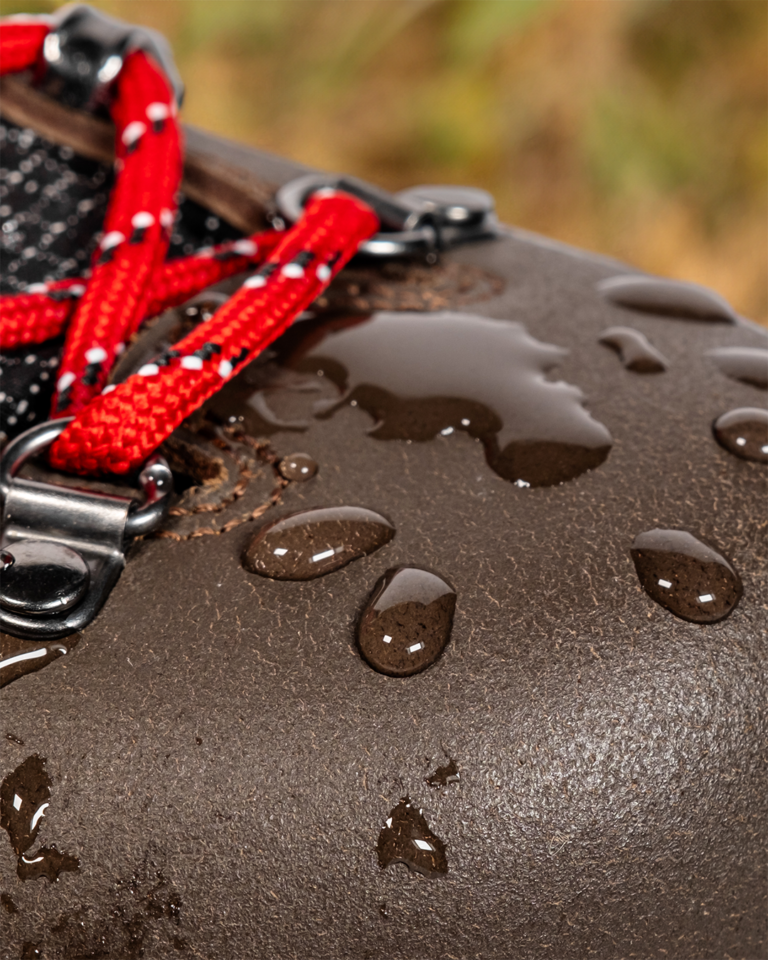
In humid environments, a pair of waterproof men’s hiking boots quickly becomes indispensable. This is made possible by technical membranes such as Gore-Tex or Sympatex. These models prevent water from penetrating while still allowing for some breathability. They are useful in winter, during the transitional seasons, or in rainy regions.
However, in the summer or during prolonged physical activity, they can cause heat and moisture to build up inside, which isn’t ideal for everyone. Also, water can seep in from the top if the hiking pants don’t come down far enough. In that case, it won’t be easy to get rid of the moisture unless you take off and dry your shoes.
Drying hiking boots is actually one of the most important factors when it comes to durability. A boot that remains wet and damp develops odor-causing bacteria, which may make you want to replace it.
It will therefore be very important to follow best practices to prevent this. After wearing your shoes, drying them is the most important step. To do this, remove the insoles and place the shoes in a well-ventilated room—not in front of a fireplace. You can also place shoe trees or newspaper inside the shoes to speed up the process.
Ultimately, when choosing between a low-cut hiking shoe, high-top, or waterproof hiking boots, you should always start by considering your hiking style, how often you hike, and the conditions you’ll encounter on the trail. There’s no such thing as a “perfect” model—but there is a pair of boots suited to every purpose.
Technical Specifications and Construction of a Men's Hiking Boot
A men's hiking boot is more than just a simple covering for the foot. It incorporates several essential technical features that directly influence performance, durability, and walking comfort. Before making a choice, it is therefore important to understand what makes a good hiking boot.
Outsole: traction and durability
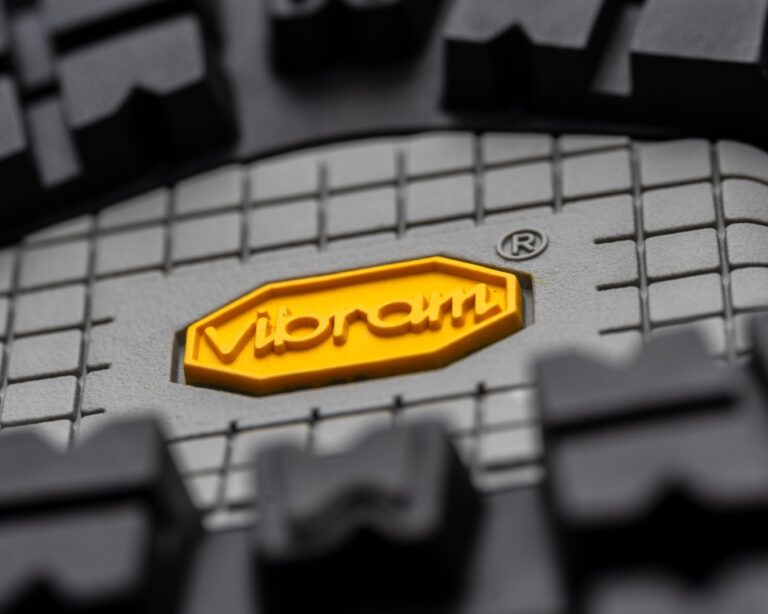
Vibram 's outsole is often considered the gold standard in the industry. Outdoor shoe brands that opt for a different outsole or one of their own design are becoming increasingly rare. Its specialized rubber and well-designed lugs ensure optimal traction on slippery, steep, rocky, or muddy surfaces.
For technical hikes, choosing a model with a Vibram sole ensures good traction and stability. But above all, Vibram soles are known for their resistance to wear and abrasion. The sole wears down much more slowly than average, ensuring exceptional durability. This is the case with the Vibram Durastep soles featured on our hiking boots.
Vibram
For technical hikes, choosing a model with a Vibram sole ensures good traction and stability. But above all, Vibram soles are known for their resistance to wear and abrasion. The sole wears down much more slowly than average, ensuring exceptional durability. This is the case with the Vibram Durastep soles featured on our hiking boots.

Membrane: Waterproofing vs. Breathability
Many men’s hiking boots are equipped with a waterproof membrane, such as Gore-Tex or Sympatex. This is a proven technology that protects against rain and wet conditions. However, in hot weather, good breathability is just as important for effectively wicking away sweat. Hiking sandals may also be recommended.
Weight and Design: Freedom of Movement
Ultralight hiking boots are becoming increasingly popular due to their versatility and design. Best suited for short distances, they offer greater freedom of movement—especially when combined with a flexible upper and a well-cushioned sole.
Galibier Men's Hiking Boots
At Galibier, our century-old expertise is reflected in designs built to last, crafted from natural, durable, and repairable materials. To meet the diverse needs of hikers, we’ve developed a collection centered around three complementary models. Whether you’re looking for technical performance, versatility, or everyday comfort, you’ll find the perfect fit.
Super Rando Mid and Super Guide for technical profiles

Our Galibier Super Rando Mid will accompany you on your best hikes and camping trips. Its sturdy, mid-cut design provides solid ankle support even over long distances. Plus, it features a Sympatex membrane that wicks away sweat while also being waterproof.
Technical terrain doesn't scare him—far from it! It's a stable hiking boot with excellent traction, thanks in large part to its reinforced " Vibram " sole. To really put it to the test, you've got to go for it.
Speaking of technology, we have to mention the product that made our name and which has been a major source of inspiration for our current products. The Super Guide is the quintessential pioneering mountaineering boot. It exudes ruggedness and indestructibility, and it was even said that it took six months for the leather to break in.
This shoe is part of our legacy and we’re still just as proud to talk about it.
A high-top shoe like this Galibier Super Guide will be the heaviest, tallest, and sturdiest. It’s an imposing boot, made with thick leather and designed for the most daring mountain adventures. It rises to the middle of the calf to withstand all types of conditions and terrain. This boot represents our heritage, and we’re as proud as ever to talk about it.

Super Rando Low for multipurpose steps
While not everyone is such a mountaineering enthusiast that they would buy a Super Guide, then these shoes Super Rando Low are perfectly suited for walking and short hikes. This shoe is lighter than its larger counterparts and offers greater mobility thanks to its low-cut upper.

However, this doesn’t make it any less durable, thanks to its one-piece leather construction and its Norwegian welt. These are, in fact, features shared by all our products. The Super Rando Low will be the perfect companion for enjoyable daily walks, even on hilly terrain.
Choosing the right men's hiking boots ensures performance, safety, and comfort with every step. Foot shape, terrain, season, and frequency: all these factors should guide your choice.
Super Varappe : approach shoe
In the face of a trend in the outdoor industry that prioritizes “disposable” gear and ultra-lightweight designs over reliability, we’ve made a conscious choice to return to the essentials. The Super Varappe line is designed to accompany you on your alpine adventures.
Designed for multi-activity and tailored to approach, it’s built to go the distance.
Super Varappe Mid : the approach shoe for demanding hikes
The approach shoe for your hikes. The men’sSuper Varappe Mid offers complete waterproofing ( Sympatex , a 100% recyclable, PFAS-free membrane) and high breathability. Its mid-cut upper provides reliable ankle support on rugged terrain. Designed for the mountains, in all weather conditions.

Super Varappe Low : the multi-activity and approach shoe

The ultimate tool for freedom of movement, the men’sSuper Varappe Low is a lightweight (765 g) and ultra-competitive shoe. Featuring Perwanger leather and a Dyneema tongue, it’s ideal for approach hikes and via ferrata.
At Galibier, we’re committed to designing durable, high-performance models suited to all types of hikers. All you have to do is lace up your shoes and set out to conquer the trails, with a free spirit and well-protected feet.
FAQ – Men's Hiking Shoes
GALIBIER

Choosing Your men's hiking boots should be based on three main criteria: how often you hike (occasionally or frequently/treks), the type of terrain (easy trails or technical terrain/mountains), and the weight you’ll be carrying.
For occasional use, choose a lightweight, flexible model (low-cut). For hiking or rough terrain, opt for a high-top shoe (mid-cut) with good ankle support and a reinforced, Vibram -style sole that provides traction and stability.
The main difference lies in the height of the upper and the protective features. The men's low-cut hiking boot offers lightness and freedom of movement, making it ideal for dry and moderate terrain. The high-top boot provides ankle support to prevent twists, which is essential for unstable terrain or when carrying a load. Our waterproof models protect against moisture (rain, mud), which is essential in cold or wet conditions, but may be less breathable in the summer.
We recommend choosing one size larger for your men's hiking shoes because your feet tend to swell slightly during prolonged physical activity, especially on long hikes or when walking downhill. This extra space prevents pressure points and friction (and thus blisters) and ensures that your feet aren’t compressed, providing optimal comfort over time and reducing fatigue.