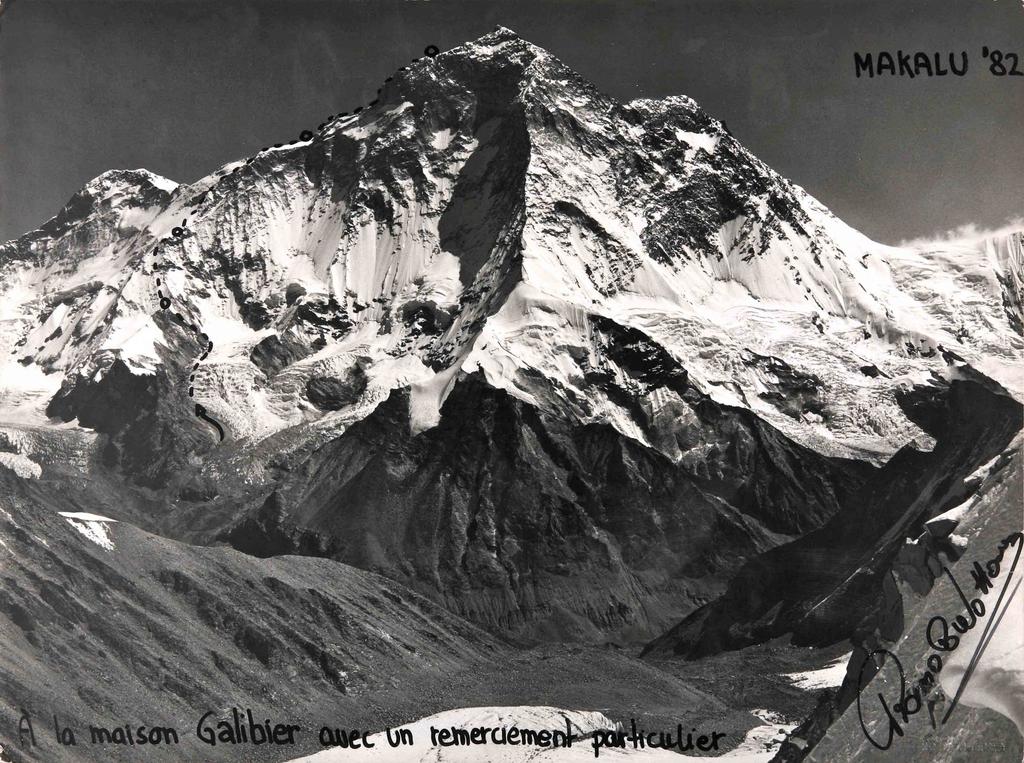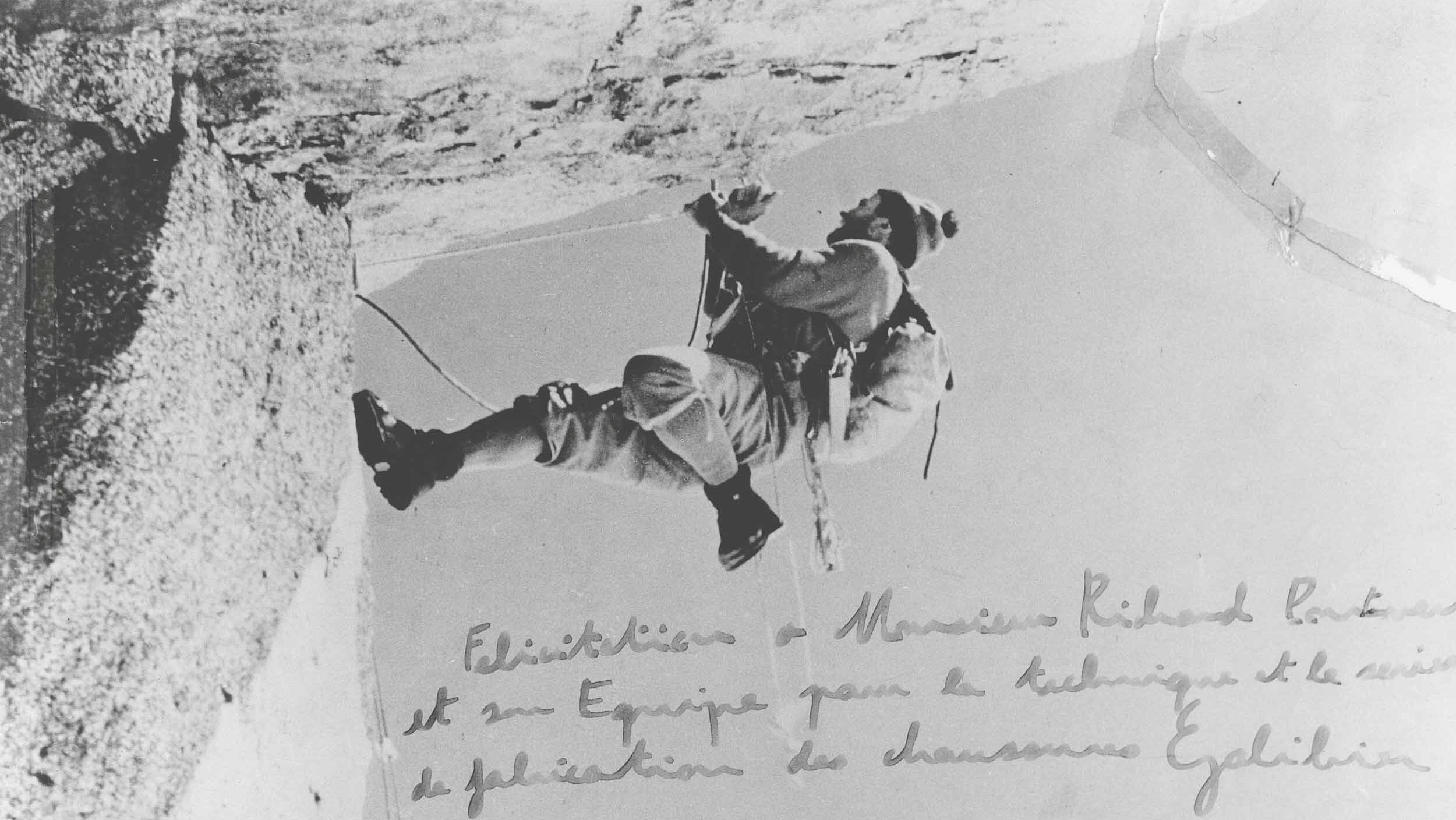
Today, Galibier is primarily identified as a brand of hiking boots. But this is only part of our story. Mountaineering is not just a chapter in Galibier’s history, it’s one of its technical foundations.
Pioneers, technical products and a healthy dose of know-how
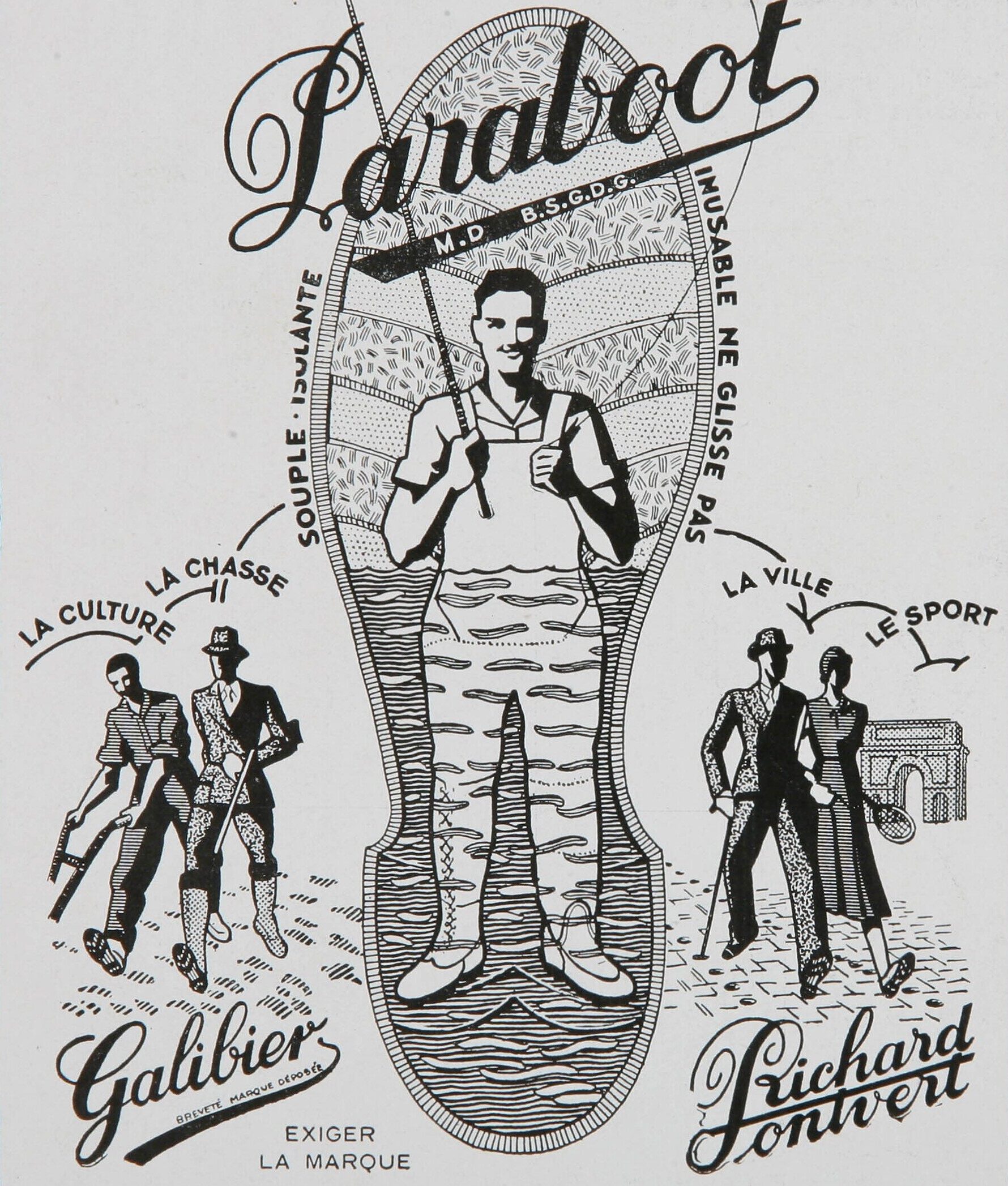
Did you know? Since its creation in 1922 within the Richard-Pontvert company, Galibier has been designing utilitarian footwear for the most demanding environments.
Workers, farmers, shepherds, foresters, and lumberjacks all shared a common requirement: a shoe capable of withstanding the terrain, heavy loads, cold, humidity, and the test of time.
This functional culture long predates the rise of mountaineering, yet it laid its essential technical foundations.
For several decades, Galibier developed expertise focused on robustness, repairability, and mechanical performance. Meanwhile, Paraboot, founded in 1928, addressed the urban wardrobe. Two distinct segments, one single industrial heritage.
The turn of the 1950s: verticality as a means of expression
The real turning point came in the early 1950s. Modern mountaineering was booming, terrain was becoming more challenging, routes were getting longer, and expeditions were becoming more remote. Existing footwear was showing its limitations, and
Galibier made a structuring choice: to design a shoe specifically dedicated to high mountain and committed alpine progression. The Super Guide marked this breakthrough.
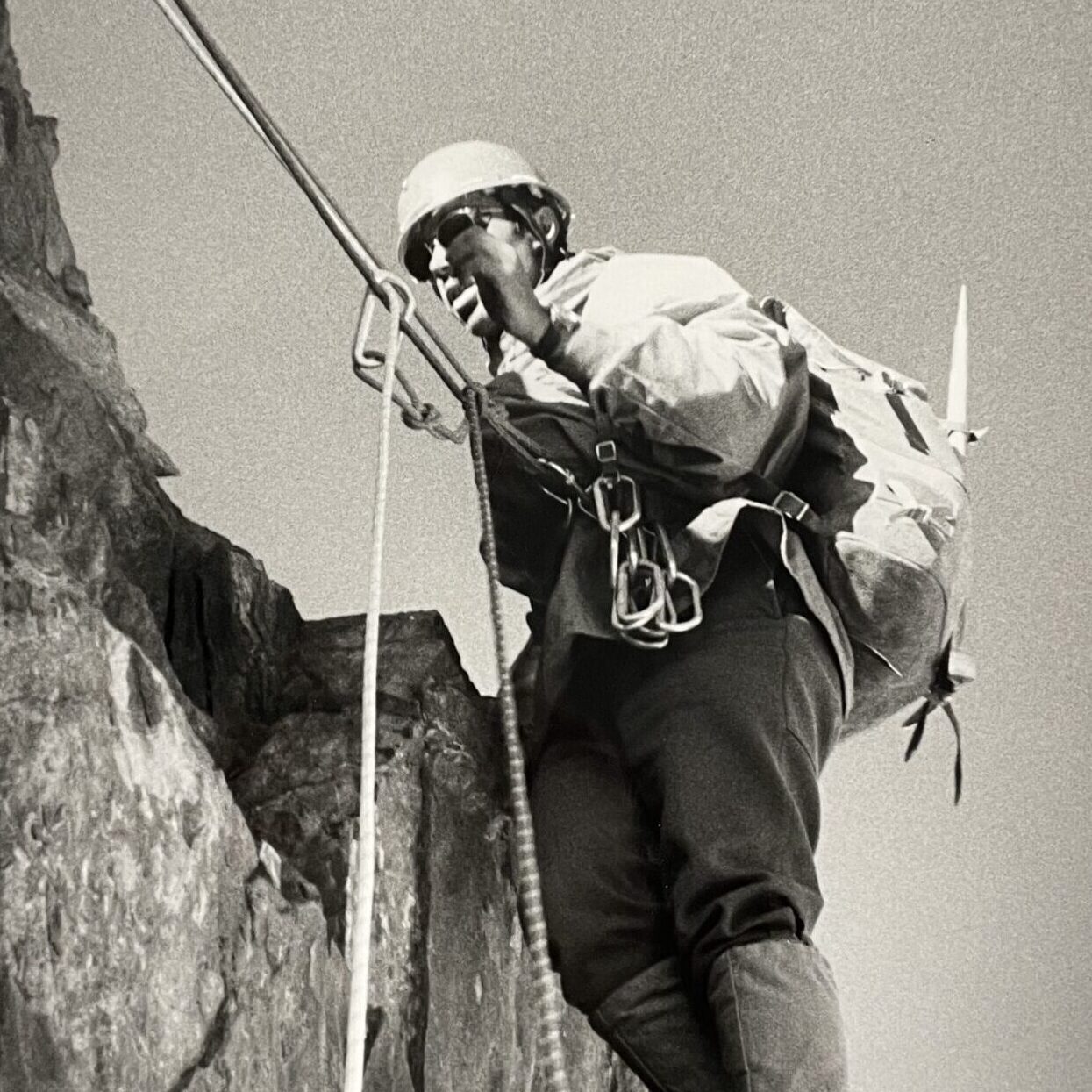
Technically, the Super Guide is a radical shoe for its time:
- One-piece 3.5 mm full-grain leather upper for protection and durability
- Rigid Makalu sole with integrated metal blade for stability on steep terrain.
- Norwegian stitched assembly, guaranteeing waterproofing, sturdiness and multiple resealing
- Total weight 3.4 kg per pair
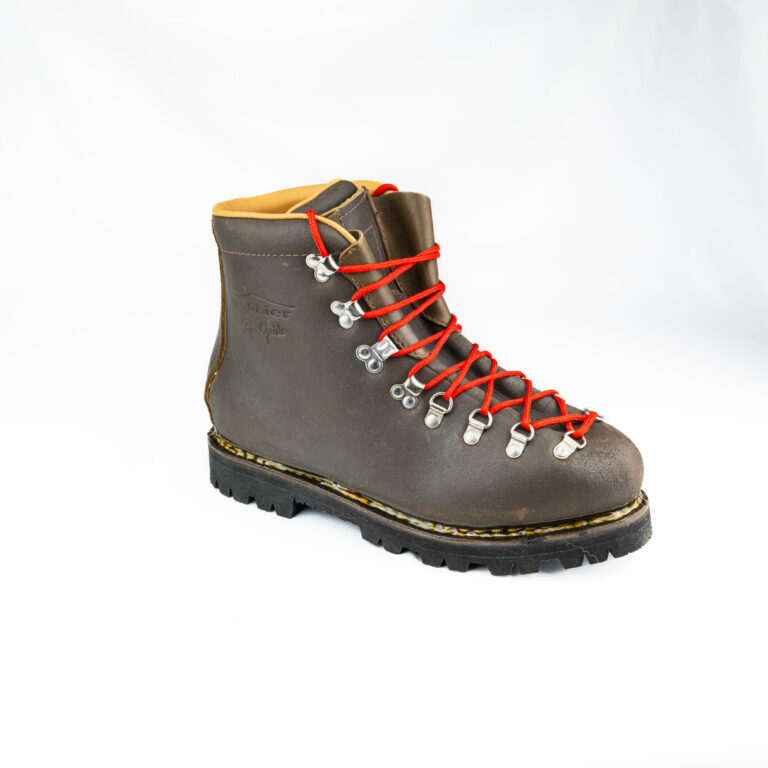
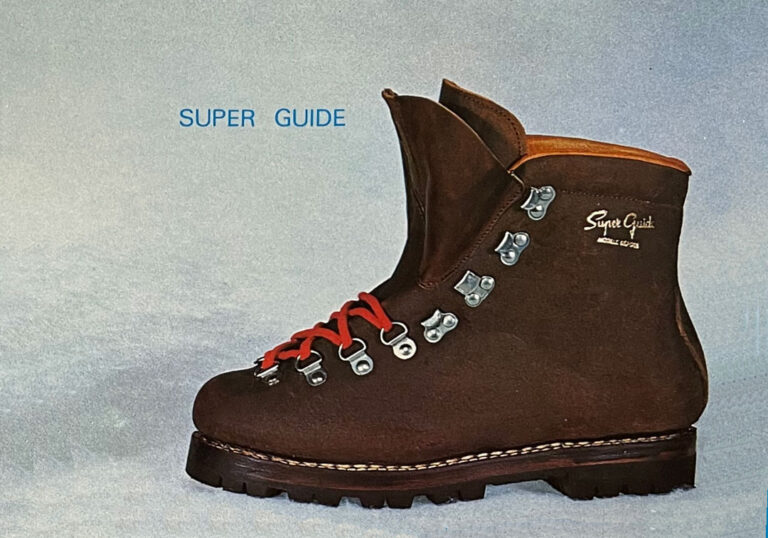
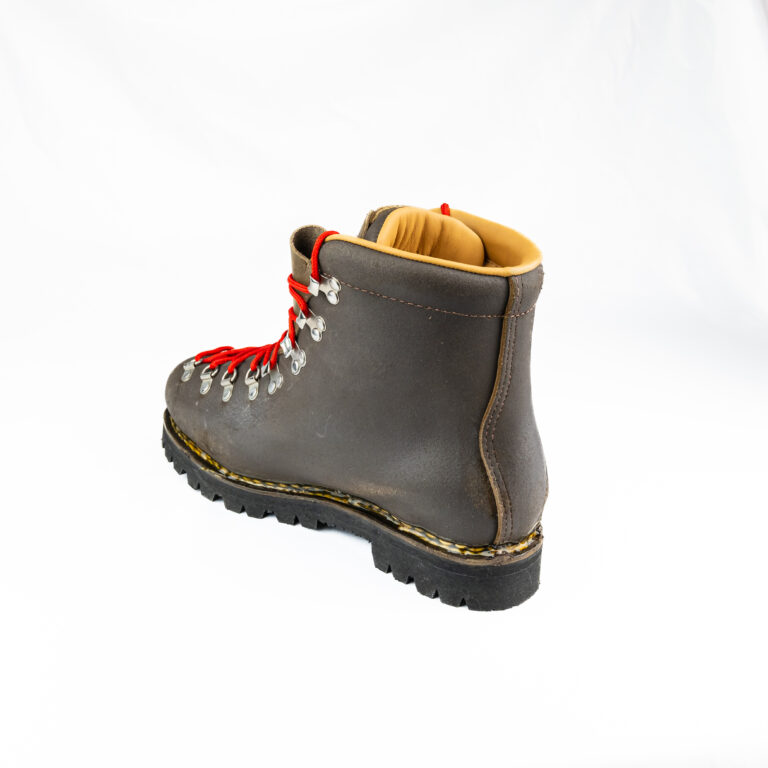
This is not a shoe for immediate comfort. It’s a tool, indestructible. The break-in period can last several months, sometimes an entire season. The gradual softening of the leather transforms the shoe into a tailor-made interface between foot and mountain.
A shoe designed by and for mountaineers
The Super Guide is not a marketing product. It has been developed with the people who use it in the most extreme conditions.
Major figures in mountaineering and exploration equip themselves for Galibier: Maurice Herzog, Lionel Terray, René Desmaison, as well as Paul-Émile Victor and Haroun Tazieff.
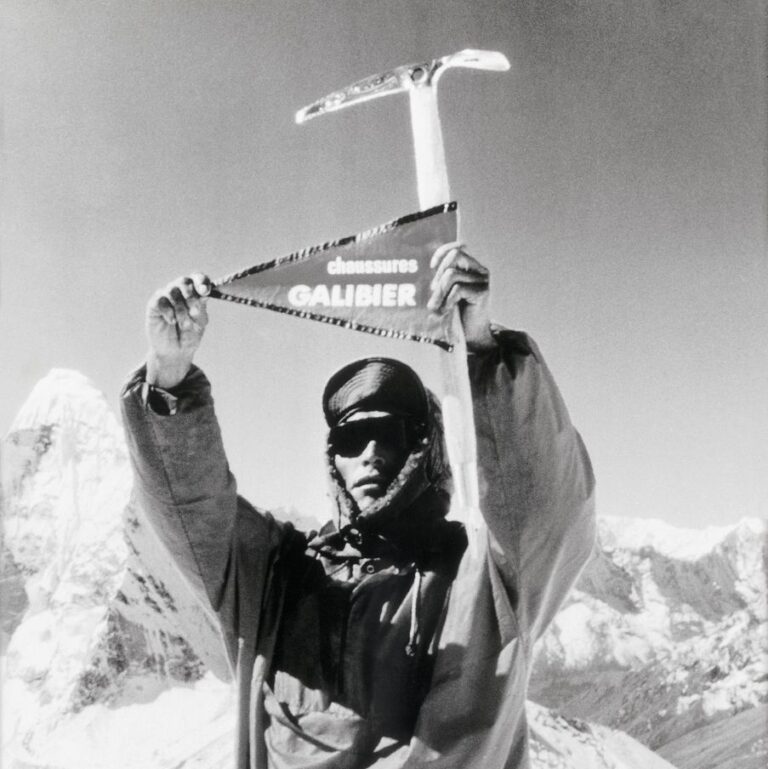
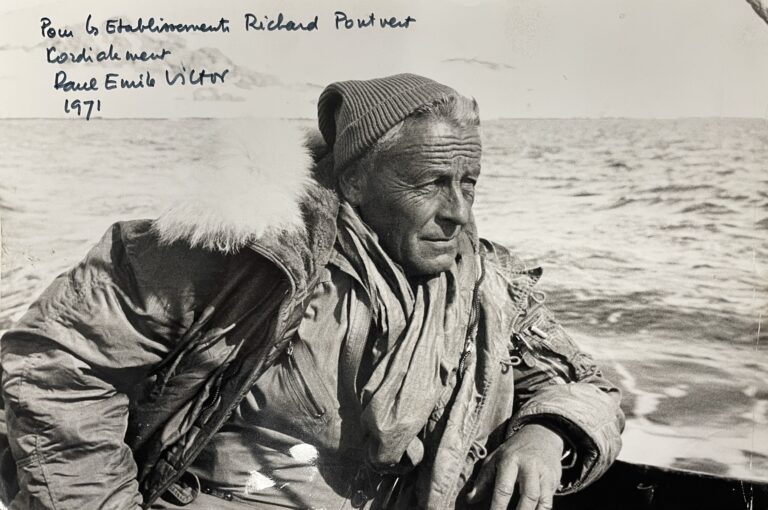
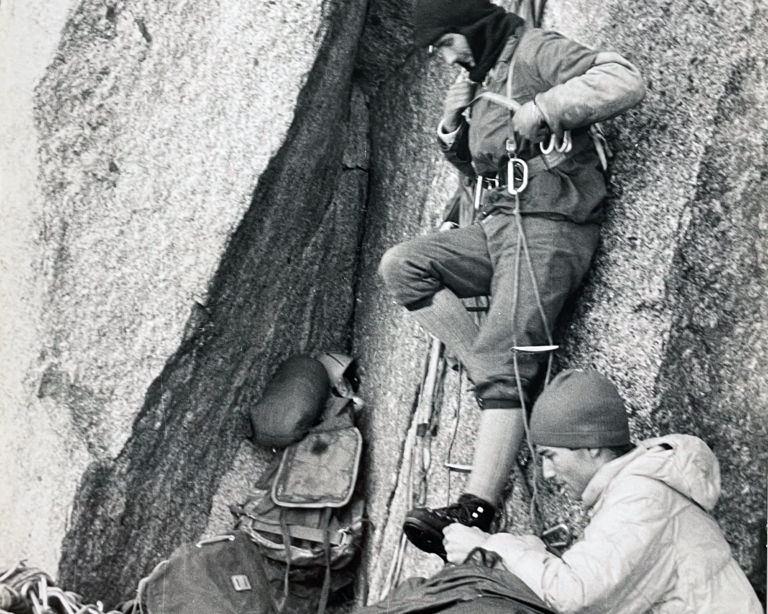
These mountaineers signed up for major openings all over the world, from the Himalayas to the Polar Regions, wearing Galibier boots. The brand was thus directly involved in the golden age of mountaineering, not as an observer, but as a supplier of high-performance equipment.
Lionel Terray and René Desmaison go even further, actively collaborating with the brand as technical advisors. They participate in the development of several iterations of the Super Guide, as well as climbing shoes. Feedback from the field shapes the design. Performance takes precedence over all other considerations.
A core brand, born in real-life use
From the 1950s to the 1970s, Galibier was one of the few brands capable of producing boots that were truly adapted to vertical mountaineering, on challenging terrain, in complete autonomy, with absolute reliability.
This heritage is not symbolic. It is technical, industrial and cultural. Even today, it explains design choices that emphasize sturdiness, repairability, durability and confidence in the product.
A living legacy, but a transformed practice
Super Guides no longer meet today’s mountaineering standards. Mountaineering has profoundly evolved. The terrain remains demanding, but approaches have changed: systematic lightening, synthetic materials, hybrid constructions, the Boa system, semi-cramponable boots or automatic crampons. The search for lightness, immediate precision and versatility has replaced the logic of the long term and the indestructible.
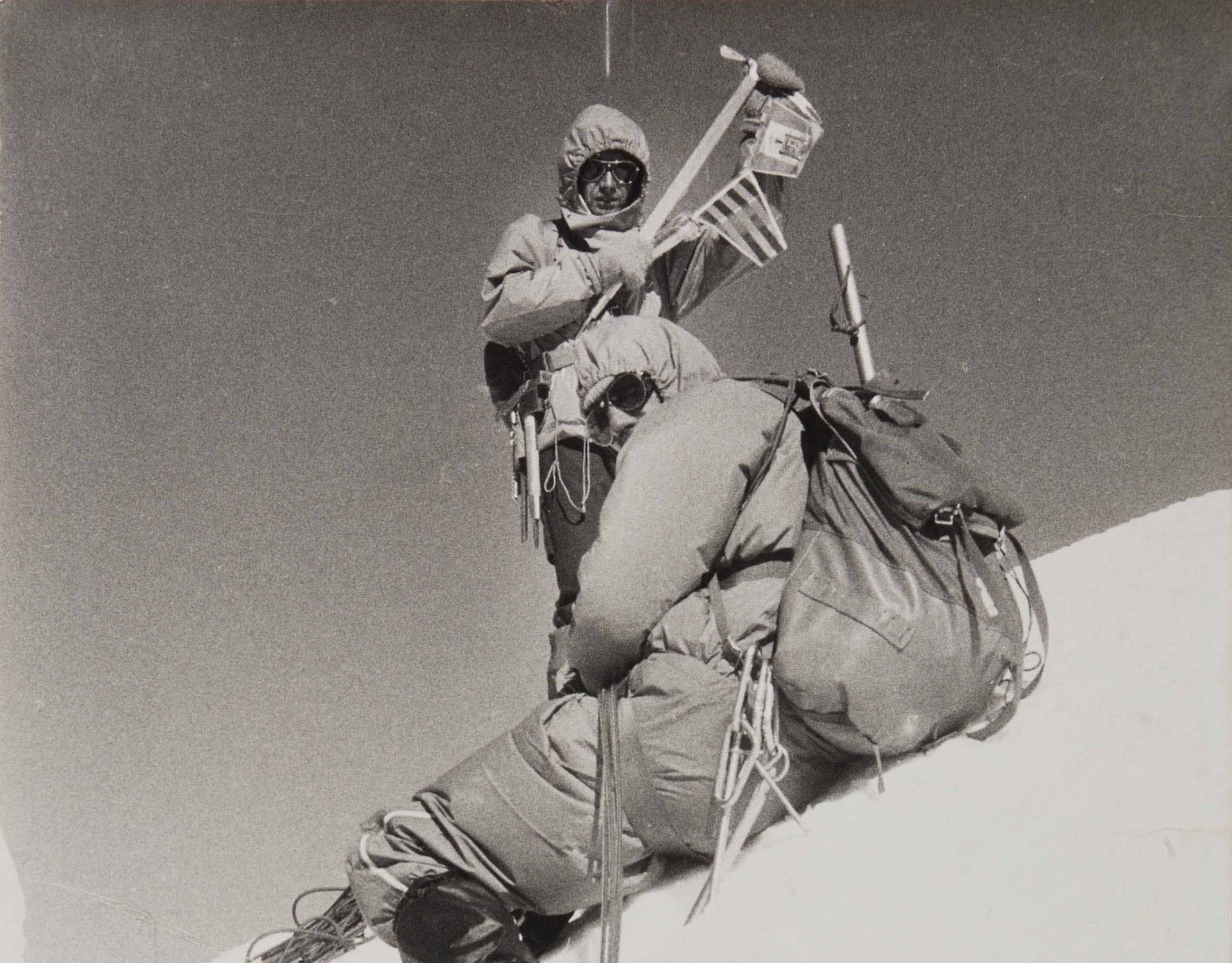
In this context, a single-piece 3.5 mm leather boot, weighing over 3 kg per pair, has no place in modern mountaineering as it is practiced today. This is not a negative statement, it's a technical fact. Super Guides are the product of an era when commitment was also measured by the equipment's ability to last for decades.
However, they have not disappeared and are still worn by brand enthusiasts, by mountaineers who bought them forty or fifty years ago, who have maintained, resoled and repaired them, and who continue to walk in them. Thousands of kilometers later, the leather is still in place, the structure intact, the shoe functional. Few products can say as much.
These are shoes that have been taken off the pure performance circuit, but are still fully operational. A concrete testimony to what it means to design to last.
Galibier, alpine brand
It’s no coincidence that Galibier was born in Izeaux, at the foot of the Alps, between the Chartreuse and Vercors mountains. This territory imposes a direct relationship with the mountains, the relief, the climate and the actual use. Galibier was built in an environment where footwear is not an accessory, but a tool for movement, work and commitment.
That’s what makes Galibier a deeply “core” brand. Committed to mountain enthusiasts, and by mountain enthusiasts.