Men’s approach shoes serve a very specific purpose. They connect the valley floor to the base of the cliff with remarkable efficiency. When venturing into the mountains, your gear often determines your level of safety. It is in this transition zone between the marked trail and sheer vertical cliffs that your choice of equipment becomes crucial.
This guide will help you understand these technical models. The goal is to combine a smooth stride with precision on the rock. By mastering the specific features of these approach shoe models, you can be sure to reach the belay station or the base of your route without excessive fatigue and with completely secure footing.
Before we go any further, check out our comprehensive guide to approach shoes, which covers the features of this type of shoe, its uses, and the key criteria for choosing the right pair.
Why should you invest in a men’s approach shoe?
Anatomy dictates the design of our gear. Men’s feet generally have a higher instep and a wider heel. A men’s approach shoe immediately takes these anatomical differences into account. It ensures a snug fit. This secure fit prevents dangerous friction when stepping on sloping terrain. In the mountains, a heel that slips up inside the shoe inevitably leads to a loss of balance or the development of painful blisters.
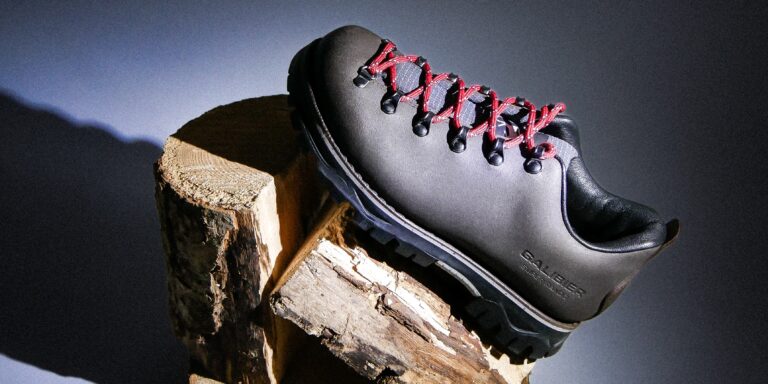
Unlike traditional hiking boots, this technical footwear prioritizes precision at the toe. A trail running shoe or long-distance hiking boot will always prioritize foot roll and cushioning at the expense of forefoot stiffness. In contrast, approach hiking requires flawless stability when you need to place your full weight on a rocky ledge just a few centimeters wide. This is essential gear for securing your footing before putting on your climbing shoes.
If you’re looking for advice tailored to a different foot shape, be sure to check out our guide to women’s approach shoes. You’ll find the same models there, along with specific recommendations to help you choose the right fit.
Tips for Choosing the Right Men’s Approach Shoes
Finding the right pair requires analyzing your usual terrain. Your gear must offer the perfect balance between traction, support, and protection. There’s no such thing as a “magic” shoe; rather, there are technical trade-offs that must be tailored to your specific activity, whether you’re traversing the granite chaos of Chamonix or navigating the limestone ledges of the Pre-Alps.
Approach shoes: traction and climbing zones on the rock
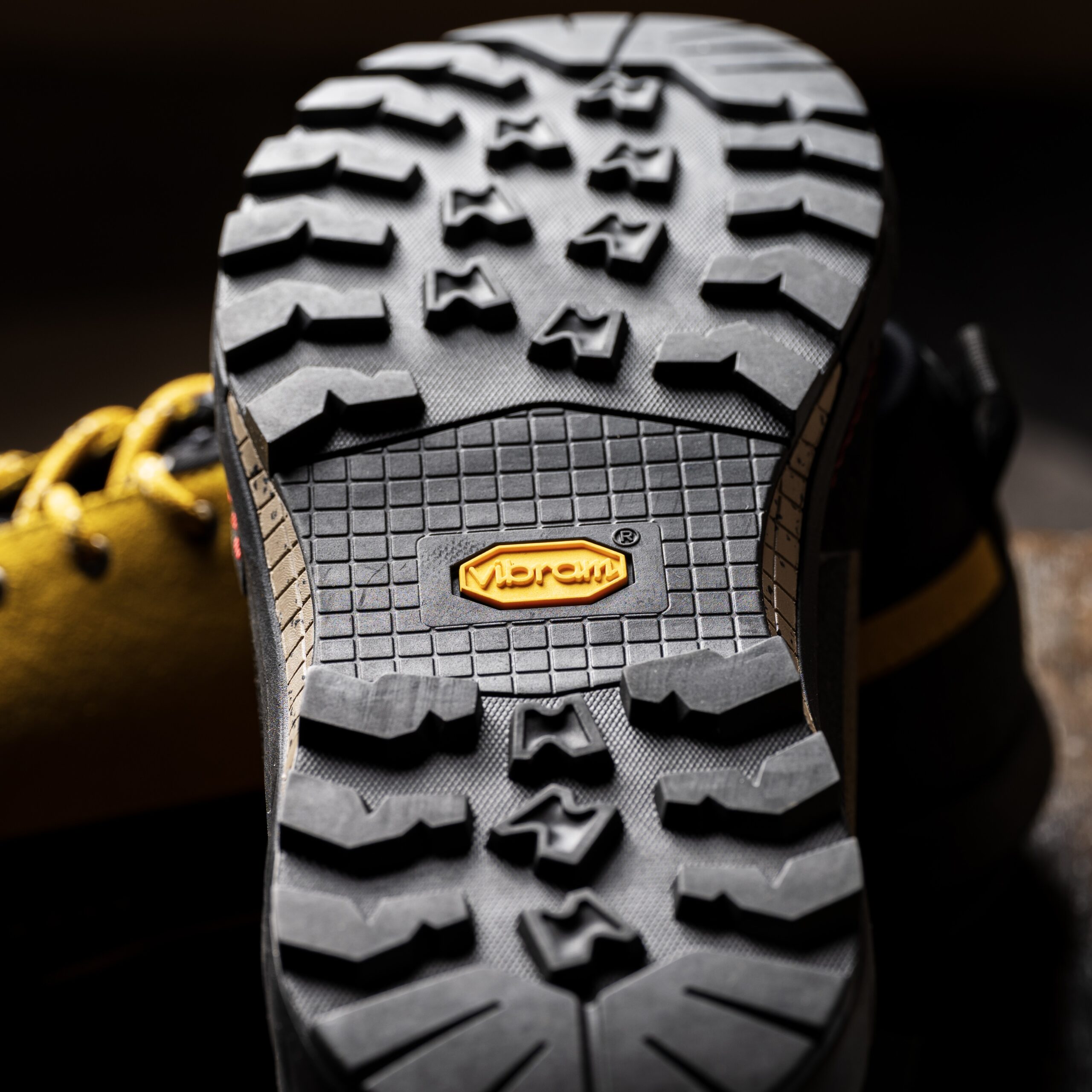
On bare rock, the outsole makes all the difference. A soft rubber compound provides maximum traction on sloping slabs. Unlike long-distance hiking soles, which feature deep, widely spaced lugs to shed mud, approach soles have a denser lug pattern.
The climbing zone on the forefoot allows you to grip small holds with confidence. This smooth zone located under the big toe maximizes the contact surface between the rubber and the rock. It’s an essential feature for navigating rock sections with ease.
Protection and stability on technical terrain
High-altitude mountain terrain is a highly abrasive environment. Navigating unstable scree slopes requires a highly structured upper. A sturdy toe cap effectively protects your toes from frequent impacts. This rubber overlay, which extends generously over the front and sometimes the sides of the shoe, not only protects your foot but also significantly extends the life of the leather.
Technical terrain also requires a sole with a certain degree of torsional stiffness. This stiffness provides support for the arch of your foot when you shift your weight onto uneven ridges. A shoe that’s too flexible would force you to compensate with your muscles for every imbalance in your ankle, leading to premature fatigue. The addition of an asymmetrical lacing system that extends all the way to the toes allows you to adjust this support down to the millimeter, compressing the shoe’s volume for climbing sections and then releasing it for the return hike.
Men’s Approach Shoes: Low-Cut or Mid-Cut?
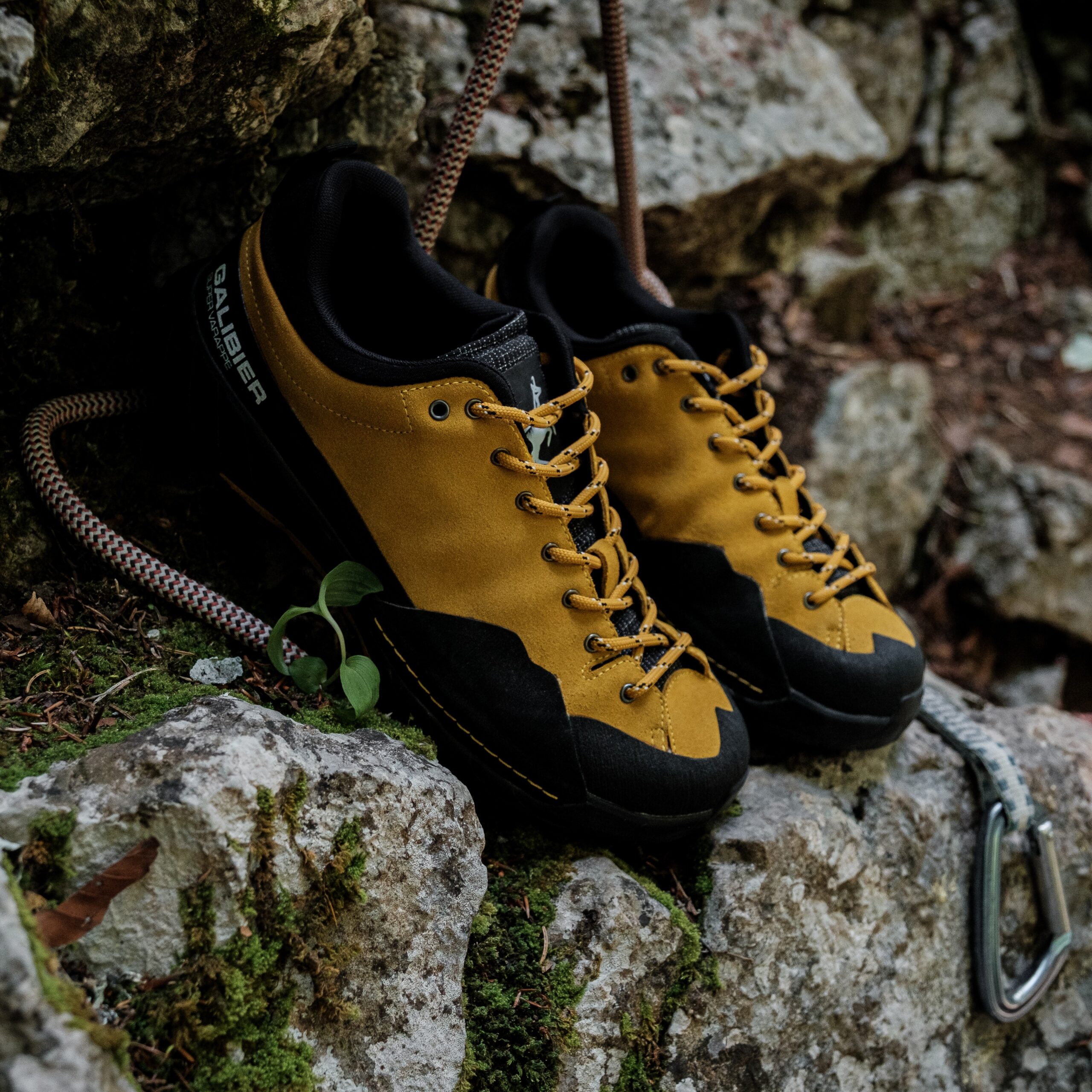
Depending on your support needs, you can opt for a men’s low-cut approach shoe that promotes ankle mobility. This lightweight and agile design excels on short approaches, easy climbs, or bouldering sessions where freedom of movement is key. They’re also easy to carry, clipped to a harness with a carabiner.
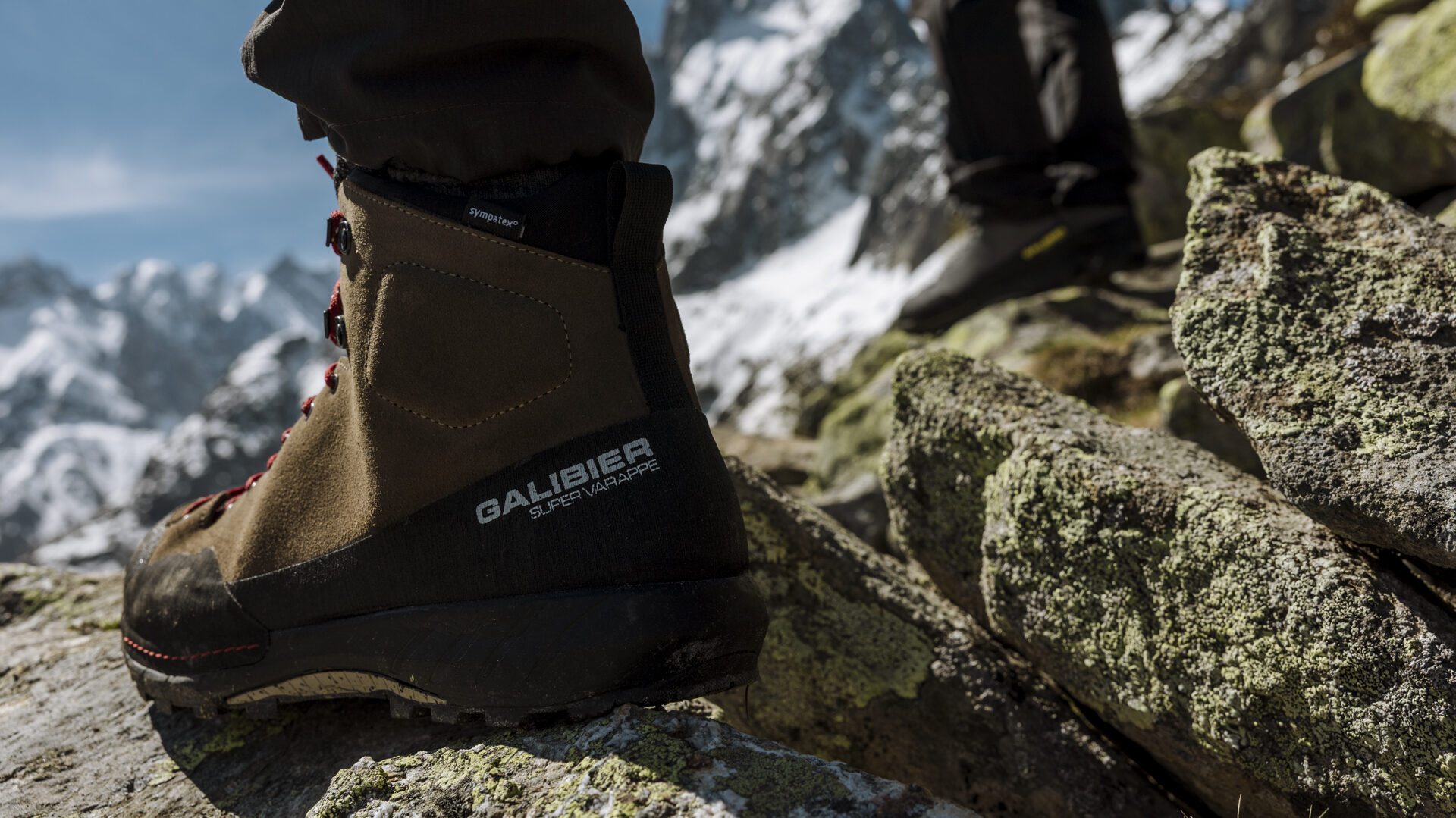
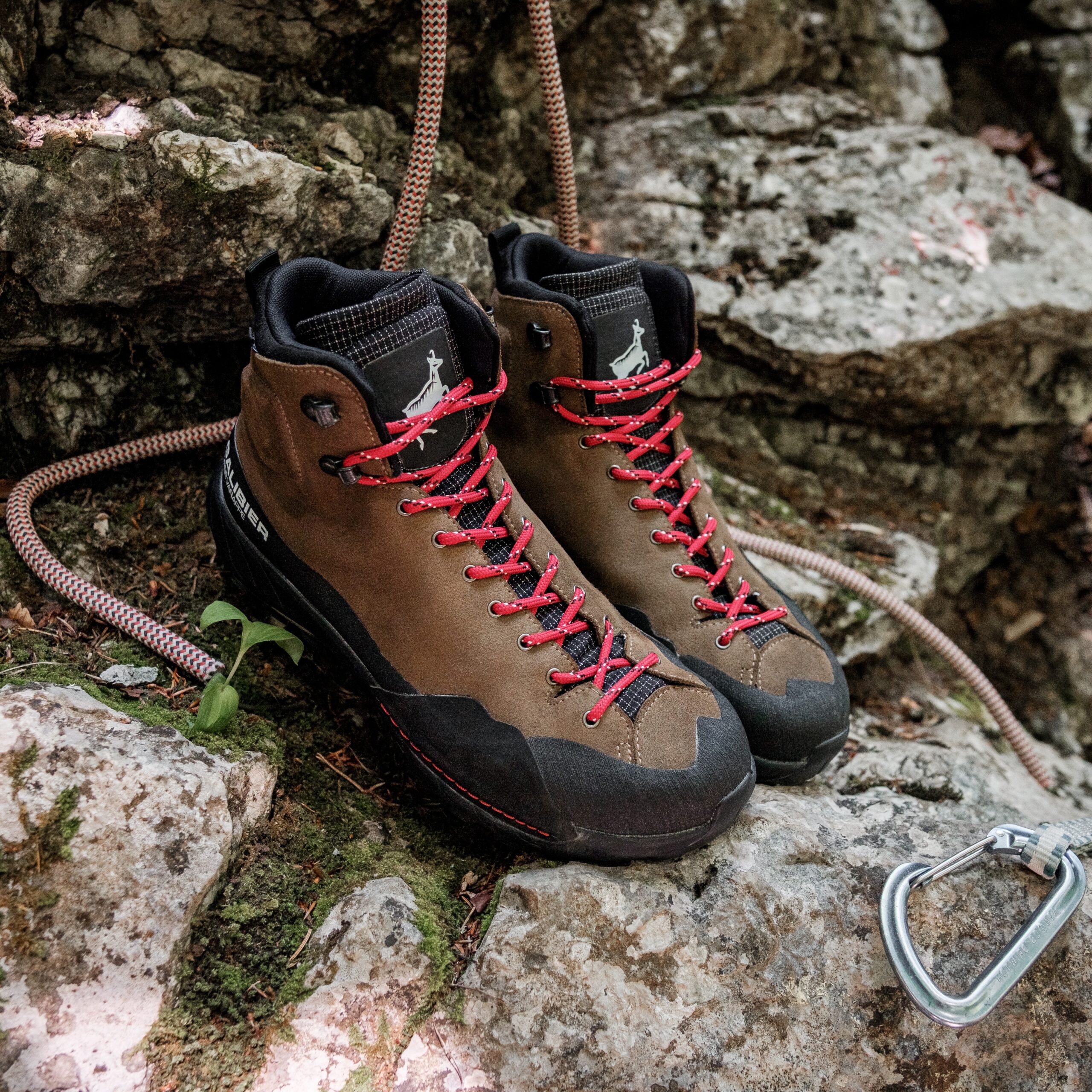
On the other hand, a men’s mid-cut approach shoe provides secure and reassuring support. This is often the best choice if you’re carrying a heavy backpack. When you’re carrying ropes, gear, and food, your center of gravity shifts, and your ankles are subjected to significant stress. A waterproof membrane then becomes a major advantage for dealing with morning dew or crossing snowfields.
Beyond technical equipment, safety depends on thorough preparation beforehand. This fundamental principle is regularly emphasized by the French Federation of Alpine and Mountain Clubs (FFCAM) through its guides to best practices in mountain environments.
Galibier’s expertise in men’s approach shoes
Making hiking boots requires refusing to compromise on the quality of materials. Galibier designs approach shoes made of Perwanger leather, which is abrasion-resistant. This suede leather, sourced from traditional tanneries, is renowned for its ability to repel water while remaining highly breathable.
Super Varappe Low: The Multi-Activity and Approach Shoe
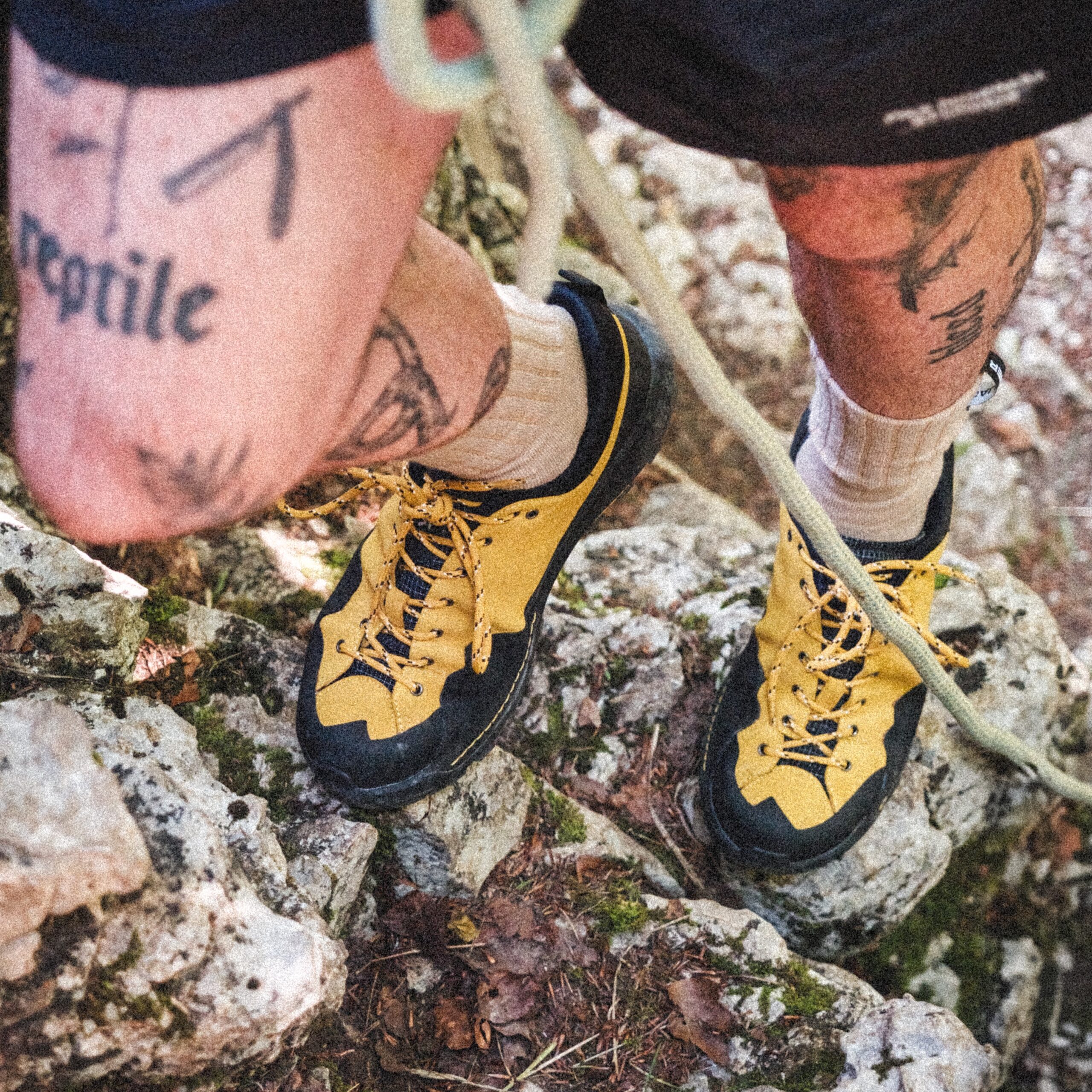
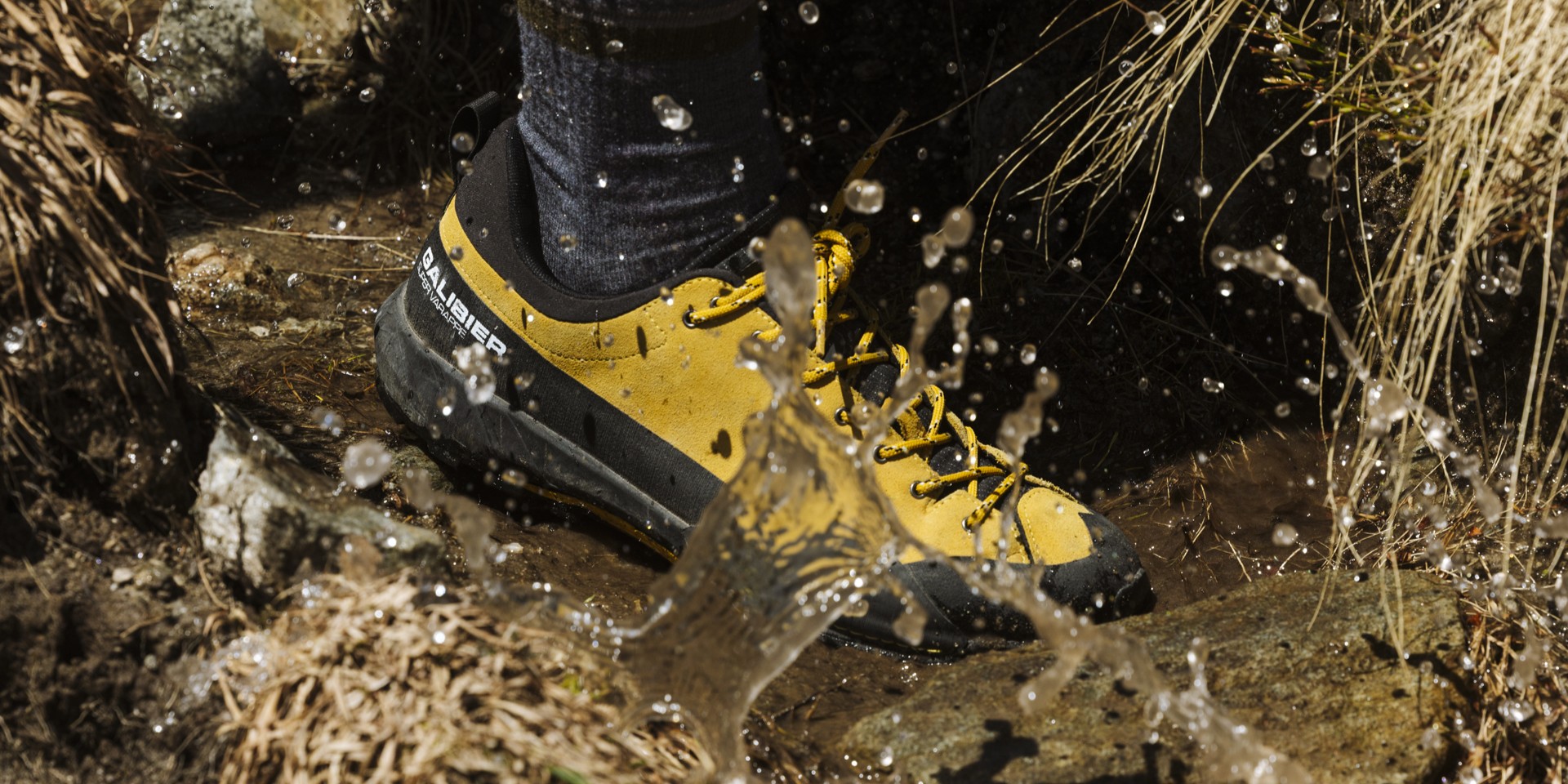
The ultimate men’s approach shoe, the Super Varappe Low for men is a lightweight (765 g) and ultra-competitive shoe. Featuring Perwanger leather and a Dyneema tongue, it’s ideal for approach hikes and via ferrata.
Super Varappe Mid: Men’s Approach Shoes for Demanding Hikes
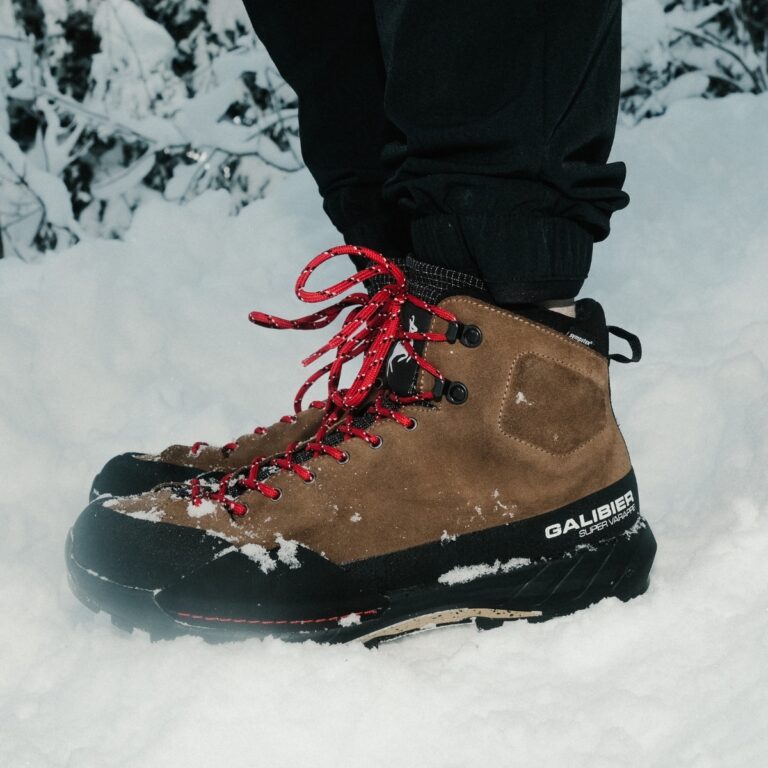
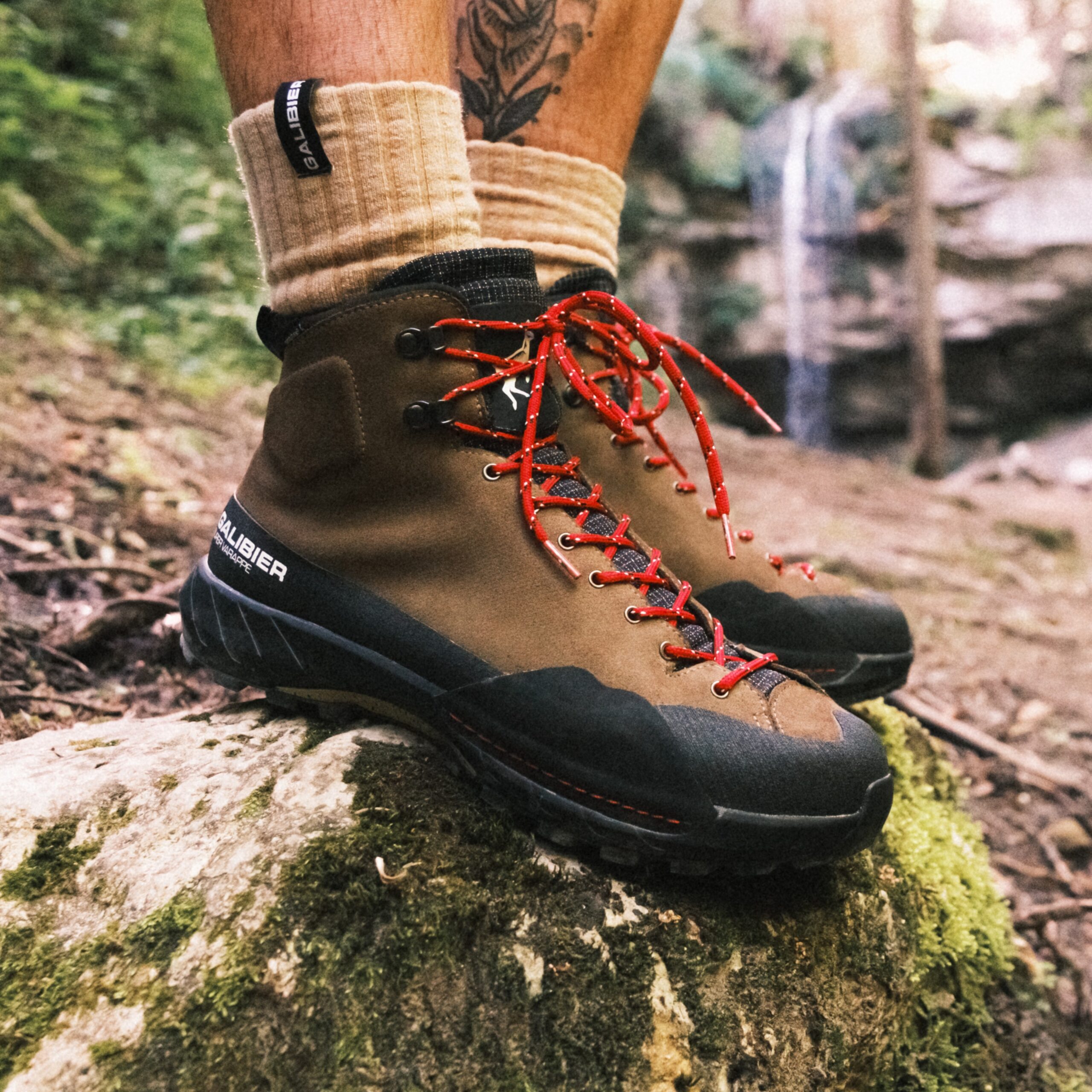
Men's approach shoes for your hikes. The Super Varappe Mid offers complete waterproofing (100% recyclable, PFAS-free Sympatex membrane) and high breathability. Its mid-cut design ensures reliable ankle support on rugged terrain. Designed for the mountains, in all weather conditions.
How to Care for Men’s Approach Shoes?

1 – Drying
Leave to dry naturally in an airy room, away from heat sources (radiator, fireplace, sun) to prevent the leather from hardening or warping.

2 – Brushing and cleaning
Brush and clean gently to remove dust, mud and dirt, using a polishing brush or foam cleaner if necessary, but never machine wash shoes.

3 – Nourishing the leather
Apply a thin layer of natural wax to keep leather supple, prevent cracking and revive its color.

4 – Waterproofing
Spray a waterproofing agent all over the shoe, paying particular attention to the seams, to limit water penetration and extend the life of the leather.
FAQ – Men’s Approach Shoes
GALIBIER

Choose a half size larger than your usual street shoe size. Your feet will inevitably swell during prolonged exertion. However, make sure your heel doesn’t slip out of the shoe while walking to prevent blisters. Keep in mind that the very low lacing system, characteristic of approach shoes, allows you to adjust the tightness as needed: looser for walking, tighter for climbing.
This shoe features a stiff sole designed for steep terrain. On long, flat, and rolling trails, this lack of flexibility and cushioning can lead to joint fatigue. Reserve this specific footwear for steep and rugged trails. If you hike exclusively on dirt or forest trails, a classic hiking boot will be significantly more comfortable over time.
Yes. Although our leathers are treated to provide immediate comfort, an approach shoe requires a break-in period. Wear them first on short outings or in your daily life to allow the Perwanger leather to adapt perfectly to the temperature and the unique shape of your foot before embarking on a major alpine route.