The choice of your outdoor footwear directly affects the success and safety of every outing. Whether you’re taking a hike through a damp forest or embarking on a high-altitude expedition, your feet bear your entire weight. They also have to contend with constantly changing terrain.
Outdoor sports require a thorough understanding of your equipment. Thus, a shoe is no longer just an accessory for walking; it is your primary means of protection against rugged terrain and changing weather conditions.
While our artisans once crafted heavy leather boots to protect the pioneers of mountaineering, mountain activities have now diversified significantly. From trekking to via ferrata to approach hikes, the demands have evolved. It’s no longer just about tackling ice. On the contrary, it’s about finding the perfect balance between joint support, agility, and reliability for every type of terrain.
From the trail to the rock face: what kind of gear do you need for your sport?
Given this wide range of profiles from the contemplative hiker to the seasoned mountaineer seeking vertical challenges carefully selecting the right gear requires a thorough analysis of each model’s design. This technical guide breaks down the components, construction, and limitations of each design for you. Furthermore, it is designed to guide you precisely toward the pair best suited to your actual activity.
Outdoor footwear should be chosen based on the steepness and technical demands of the terrain you’ll be exploring. The days of the one-size-fits-all model are over; specialized gear now allows you to precisely tailor your footwear to the slope.
Multi-day hiking and the legacy of the Super Rando
The biomechanical situation changes radically as soon as the elevation gain increases and carrying a heavy backpack becomes necessary. This need for sustained support over time has its roots in the very evolution of walking. As paid vacations became more widespread in the 1930s, backpacking gave rise to a new requirement: supporting the hiker’s joints over several days of self-sufficient travel. It was precisely to meet this new technical challenge related to carrying a load that the first versions of our Super Rando were developed.
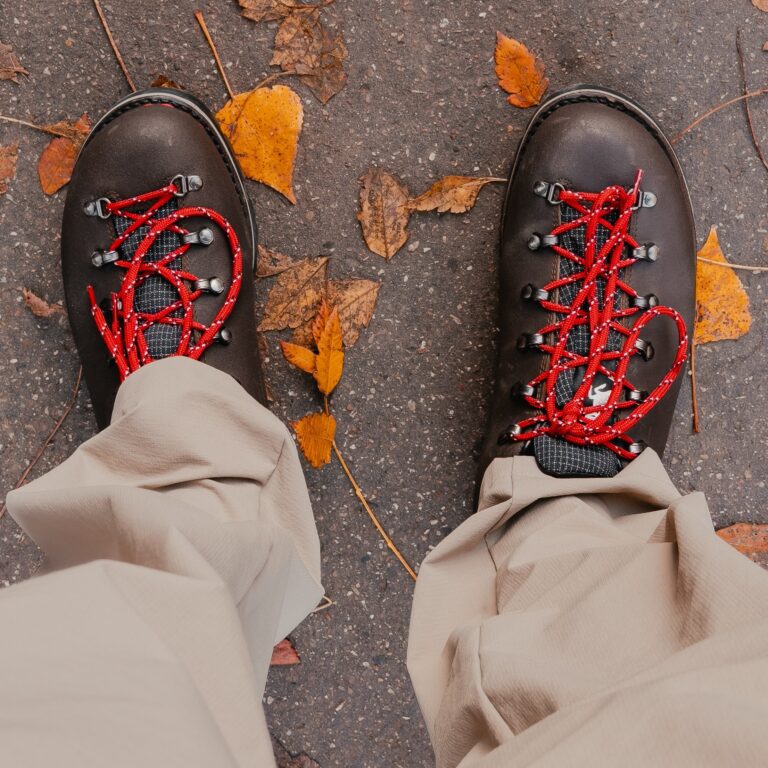
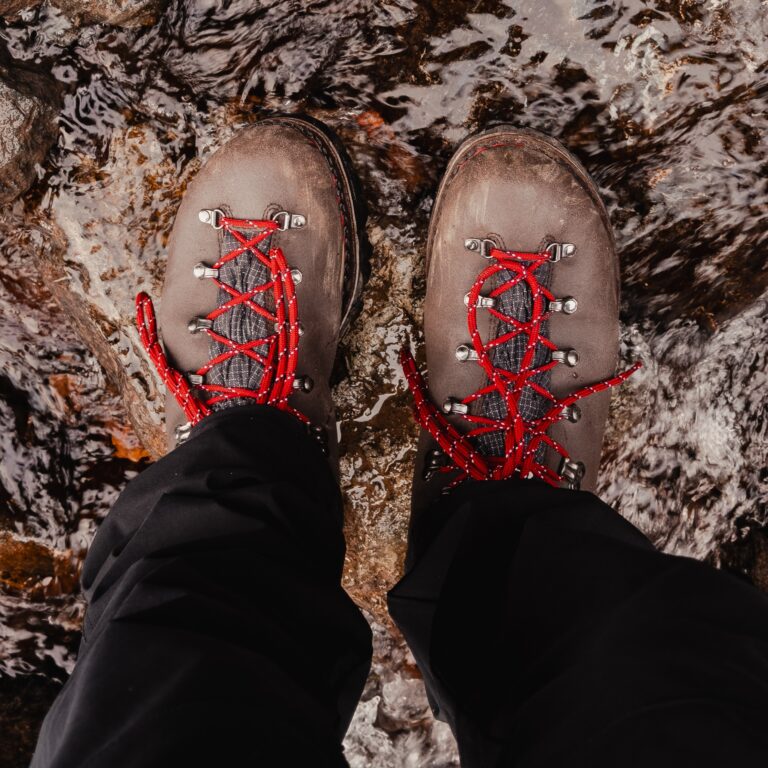
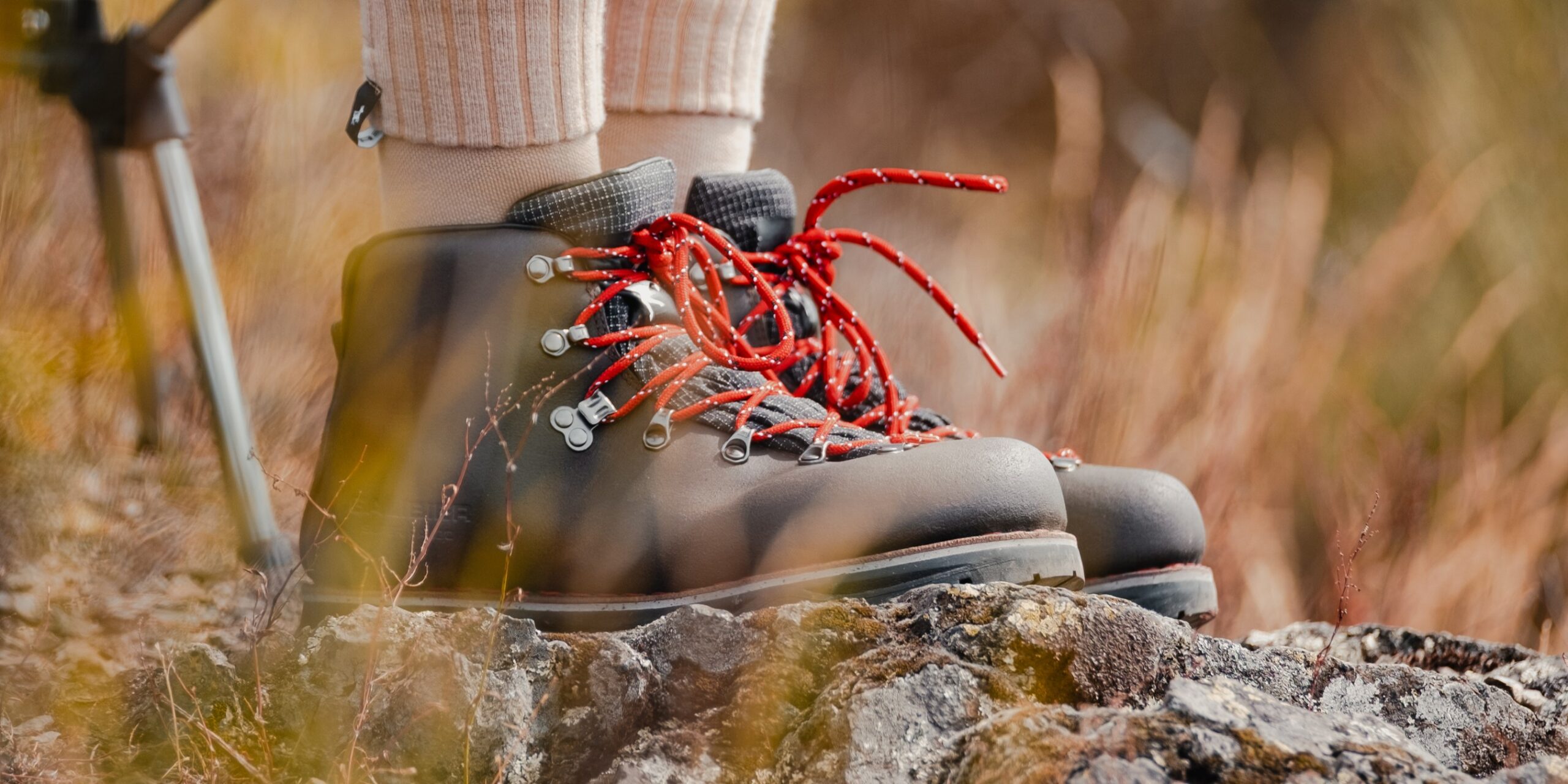
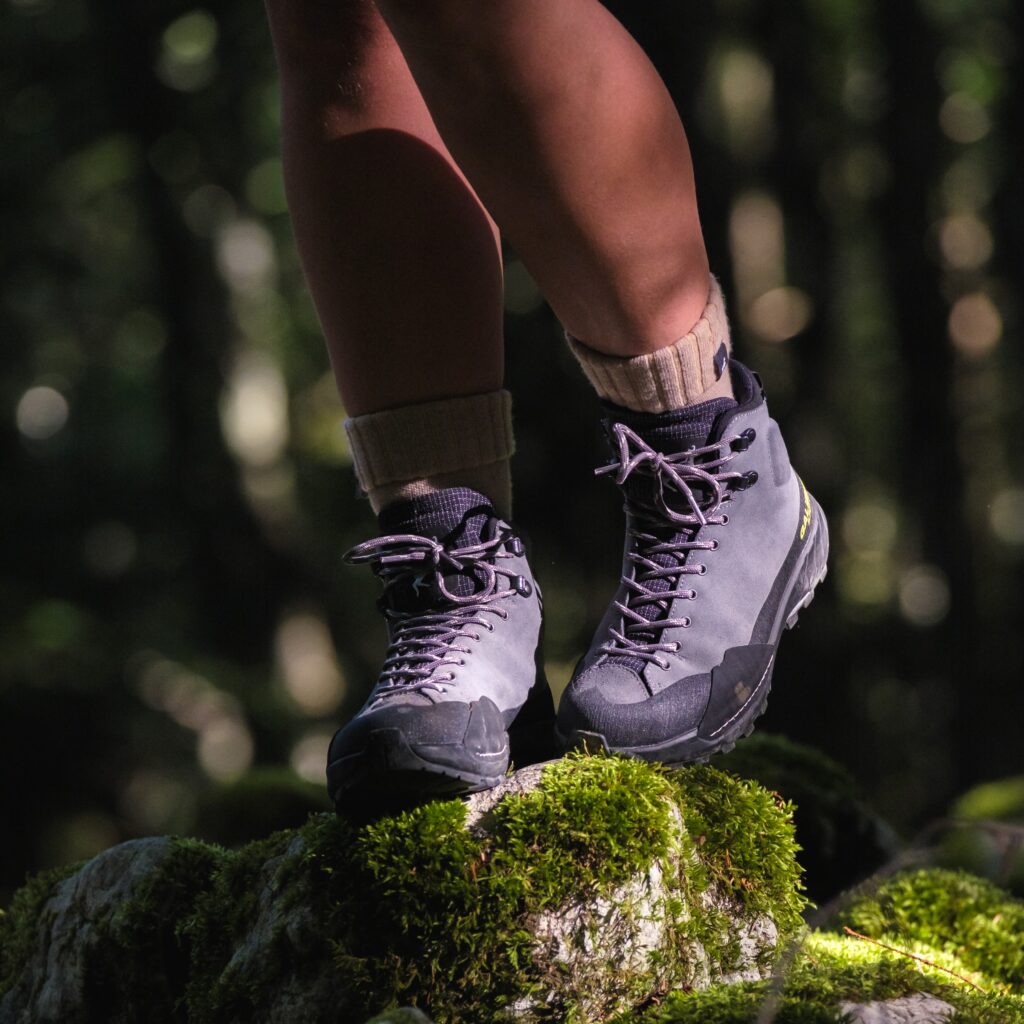
On these models, the sole blocks feature denser shock-absorbing inserts designed to absorb shock waves and protect your knees during extended descents. The new Super Rando line continues this commitment to performance. It combines a protective one-piece construction with rock-solid ankle support.
The approach hike: Super Varappe
When the route veers off the beaten path and becomes nearly vertical, approach shoes are a must. This discipline draws its terminology from the climbing pioneers of the late 19th century, who explored the rocky couloirs of Mont Salève in Haute-Savoie: the famous “varappe.”
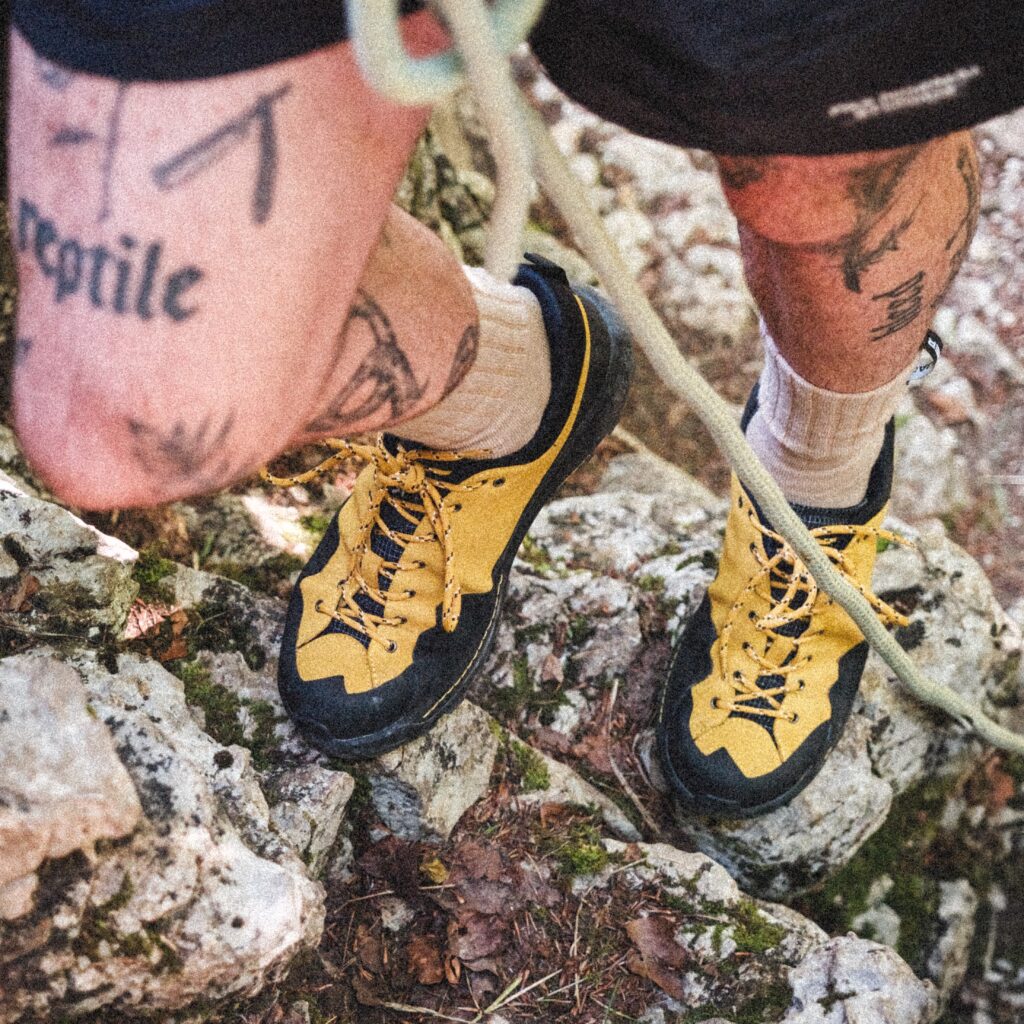
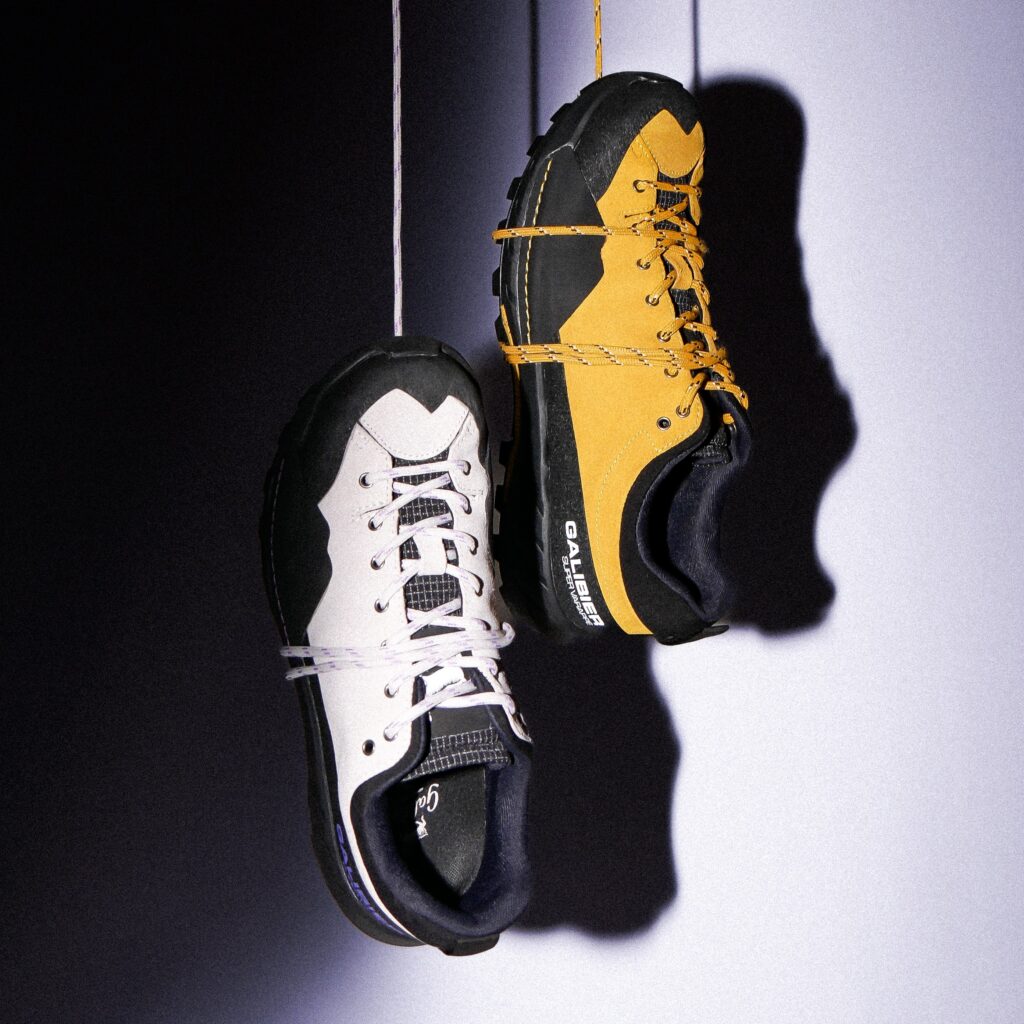
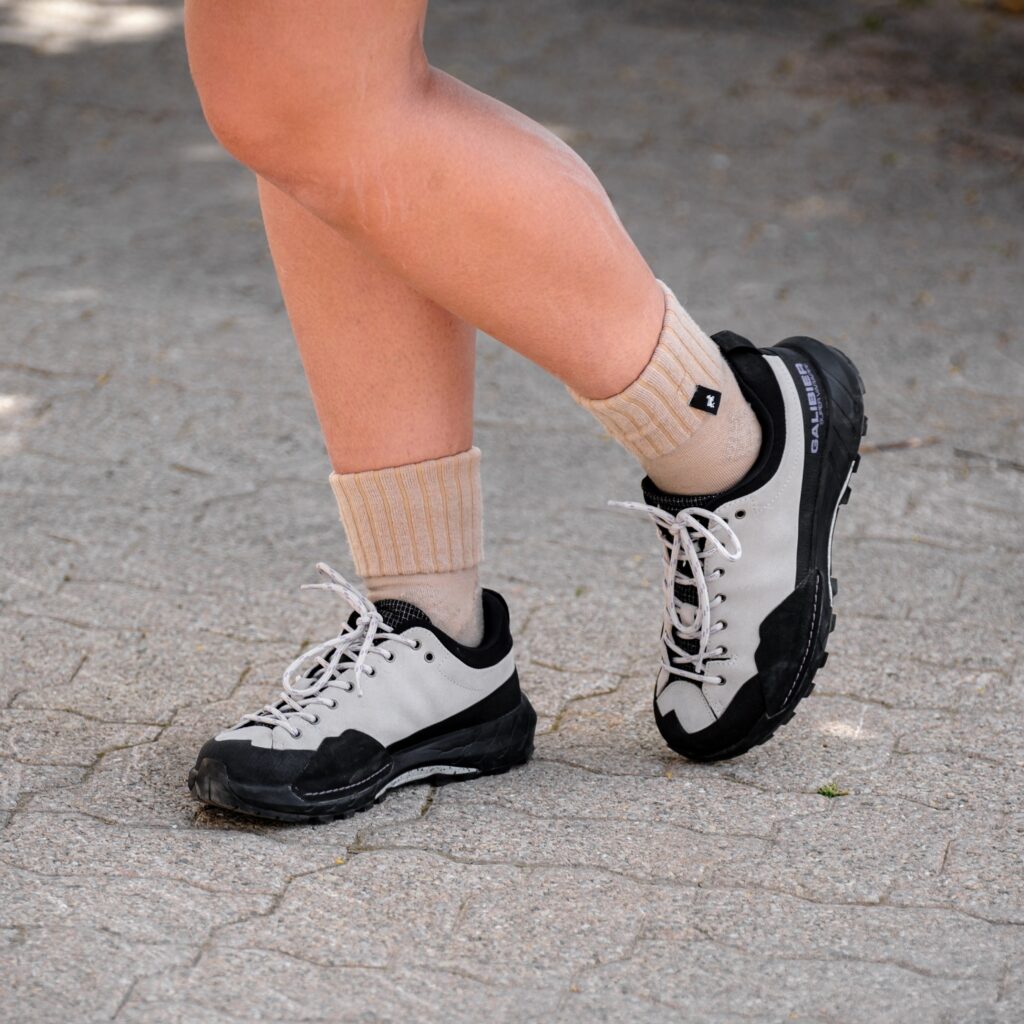
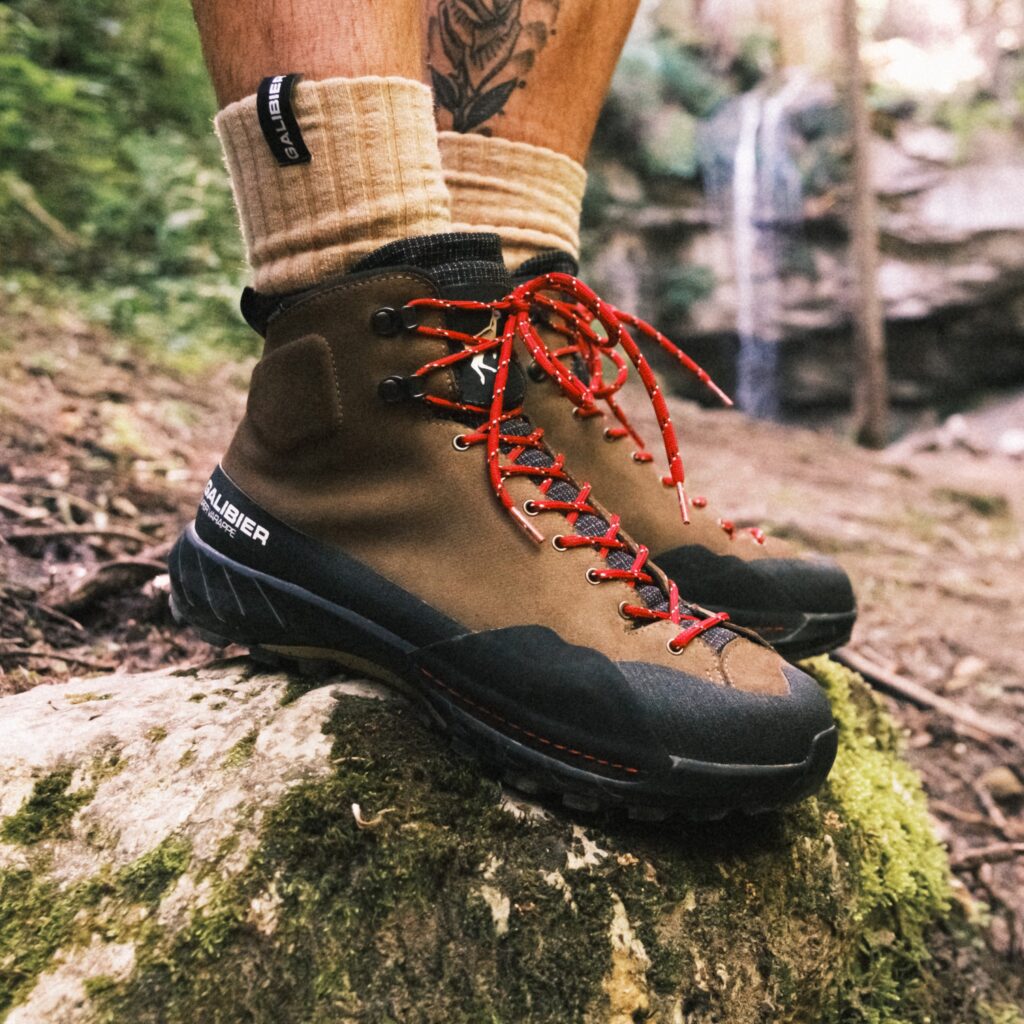
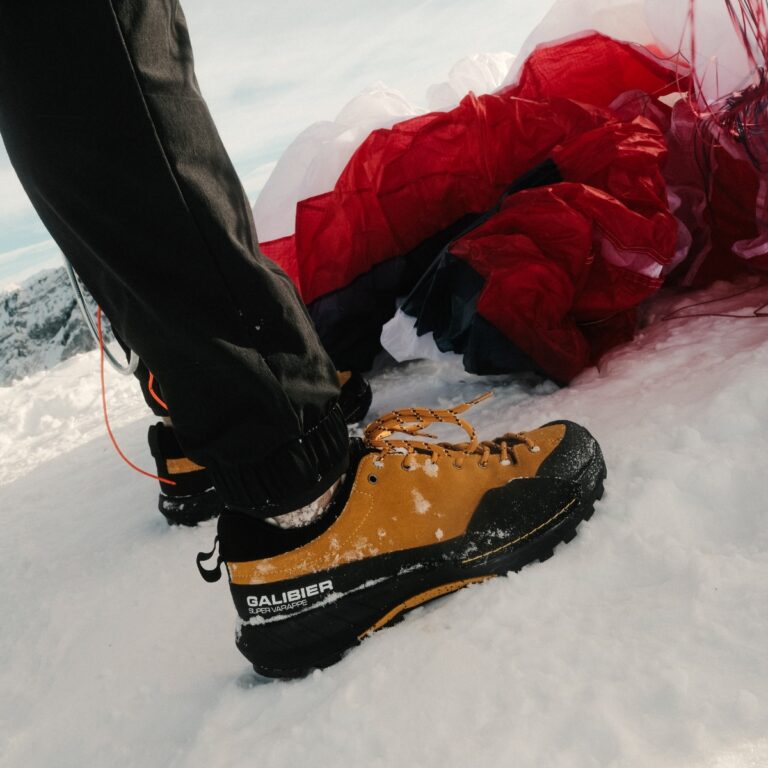
To reach the base of the routes, the shoe features a snug fit, eliminating empty spaces to ensure optimal tactile feedback. In addition, the toe of the sole features a smooth rubber zone designed to grip even the smallest rock holds. This millimeter-precise fit is the very essence of our Super Varappe models. They are crafted from highly abrasion-resistant Perwanger leather.
High mountains: Super Guide
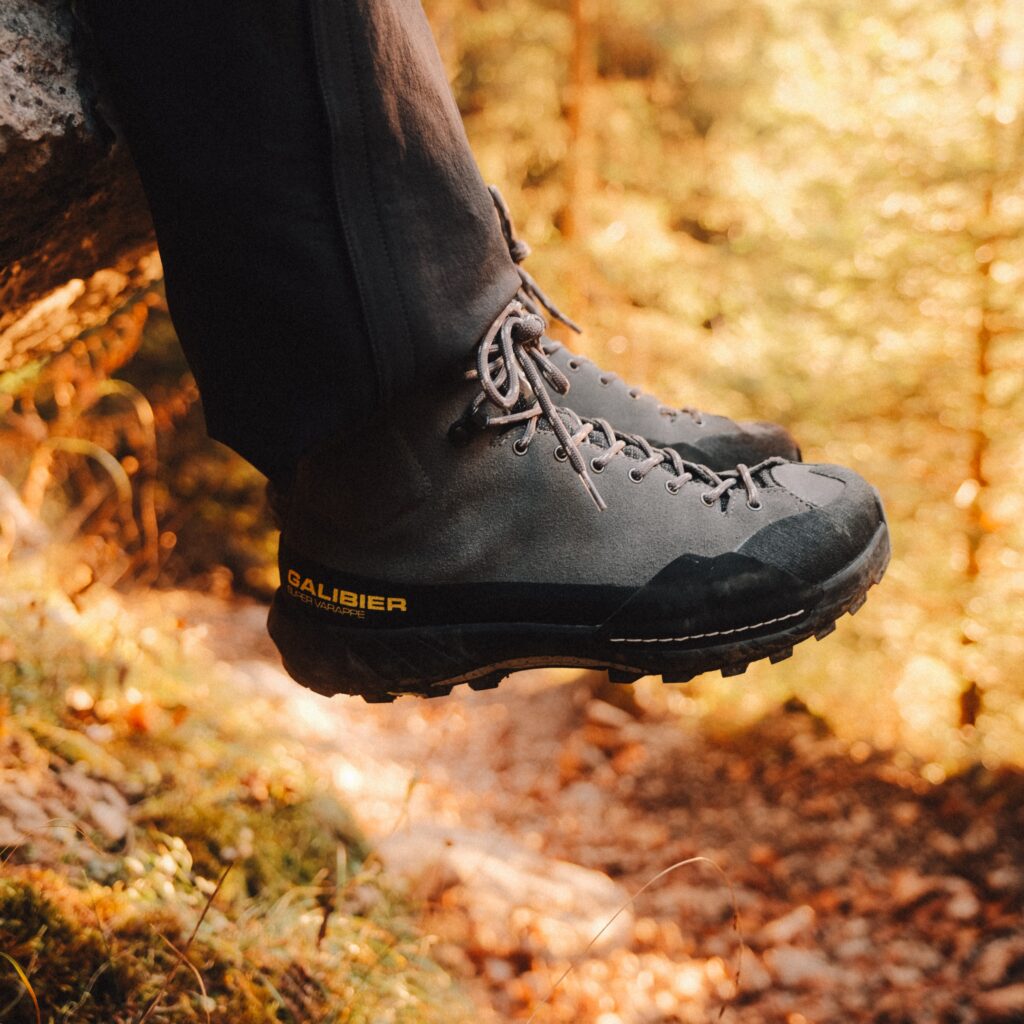
At the other extreme, mountaineering takes place in the most hostile environments. It is the setting for major Himalayan expeditions and the first winter ascents that forged the legend of Galibier. To withstand the abrasion of granite and sub-freezing temperatures, there can be no compromises when it comes to equipment.
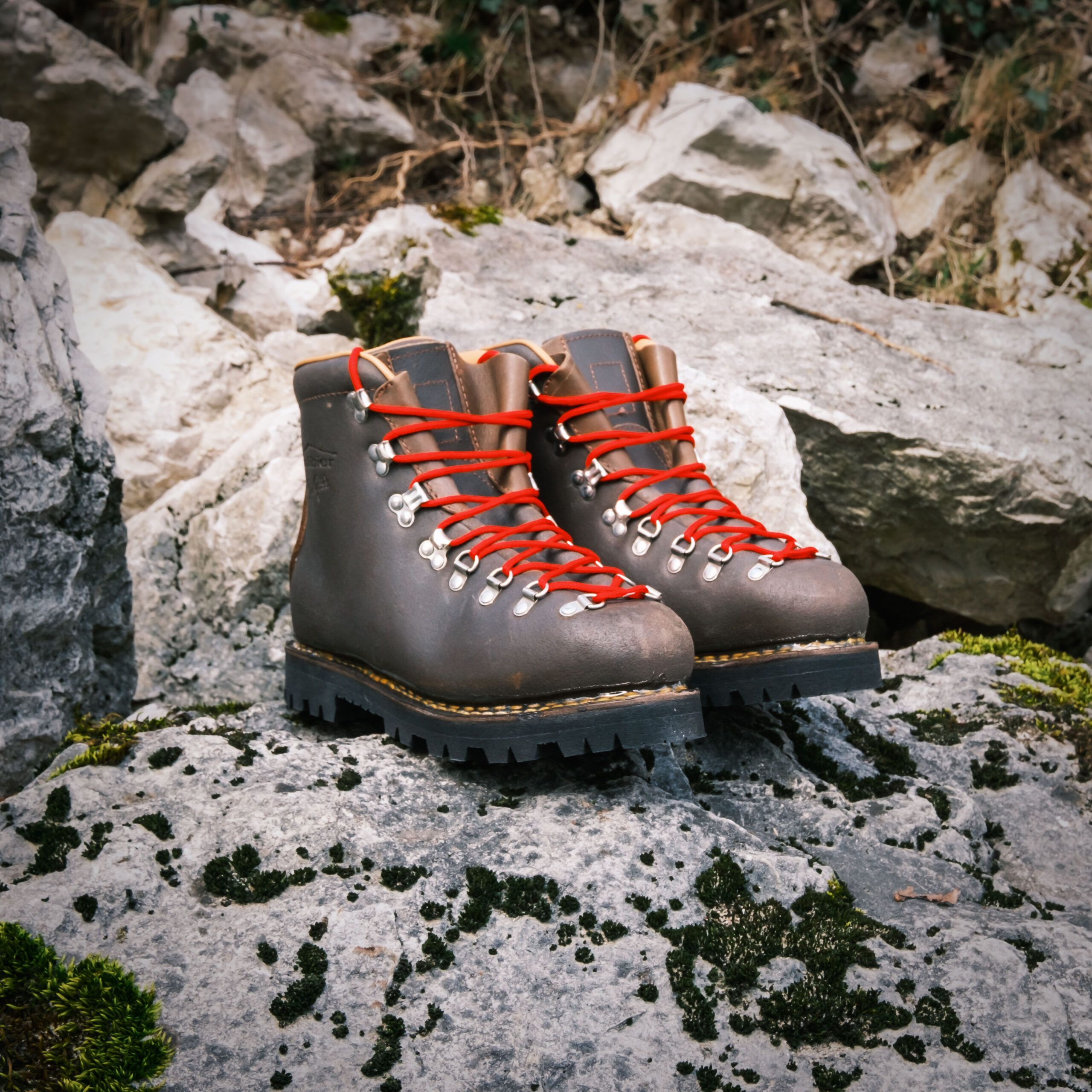
That’s why the Super Guide features a rigid shaft for crampon attachment and our Norwegian stitching. It is thanks to these high standards that generations of high-mountain guides have been able to push the boundaries of exploration.
Built to withstand the abrasion of granite and extreme temperatures, the Super Guide continues its legacy as the equipment of choice for high-mountain guides
The gear protects your feet, but proper preparation protects you. No matter which model you choose whether it’s a pair of men’s or women’s outdoor shoes outdoor activities require a thorough understanding of your surroundings. To identify suitable trails and accurately assess elevation changes before setting out, it’s advisable to use route-planning tools like Komoot. This helps ensure your outings are safe. At the same time, it allows you to explore new mountain ranges.
Should you choose outdoor shoes based on your foot mechanics?
The selection process requires an analysis of the biomechanics of your gait and the conditions you’ll be facing. Unsuitable gear can quickly turn a run into a painful experience.
Traction and innovation: the benefits of the vibram sole
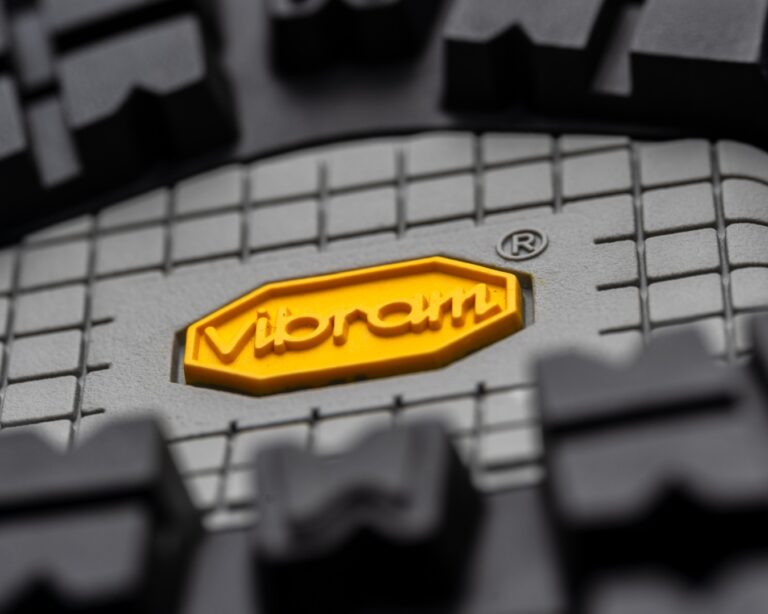
The outsole is your only point of contact with the ground. Before 1937, mountaineers tackled peaks with leather soles studded with iron spikes, known as “Tricounis”. While these spikes provided some traction on ice, they were heavy. They conducted the freezing cold, and proved dangerously slippery on smooth rock.
In fact, it was following a tragedy in Val Masino where six of his companions perished due to inadequate equipment that mountaineer Vitale Bramani decided to reinvent traction. By creating the first vulcanized rubber sole with lugs the foundation of the Vibram brand he permanently transformed safety in the mountains.
Today, on soft or muddy terrain, you need deep, widely spaced lugs. This design allows the sole to clean itself naturally with every step. Beneath this wear layer, the use of polyurethane (PU) ensures excellent resistance to compression under heavy loads.
Outdoor shoes: leather or synthetic materials?
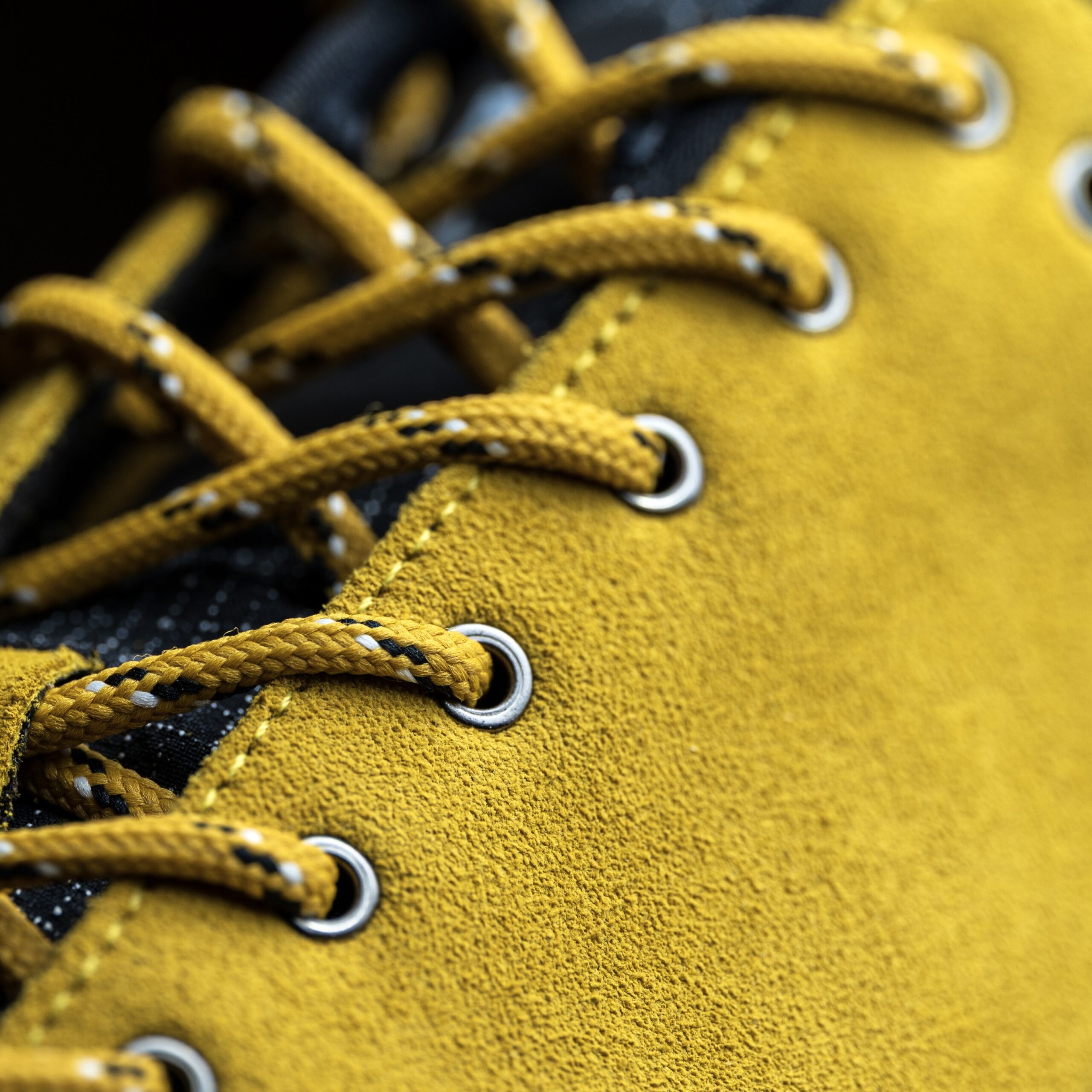
The choice of outer materials determines the durability of your gear. While synthetic materials offer an immediate weight advantage, leather outdoor shoes remain the gold standard when it comes to reliability.
Full-grain leather or Perwanger suede provide exceptional physical protection against cuts. Most importantly, leather is a living material that gradually adapts to the shape of your foot. Combined with a modern inner membrane such as Sympatex (100% recyclable and PFAS-free). The leather guarantees complete waterproofing, yet it also ensures dynamic breathability during physical activity.
The Galibier philosophy: reliability, maintenance, and norwegian stitching
As the heir to a demanding Alpine tradition, Galibier rejects planned obsolescence in favor of practical use. The true value of a piece of equipment lies in its repairability: thanks to our traditional construction methods, such as norwegian stitching, our artisans can completely replace your worn-out sole without altering the leather upper. This construction ensures a mechanical waterproof seal and transforms an initial cost into an investment designed to last for years to come.
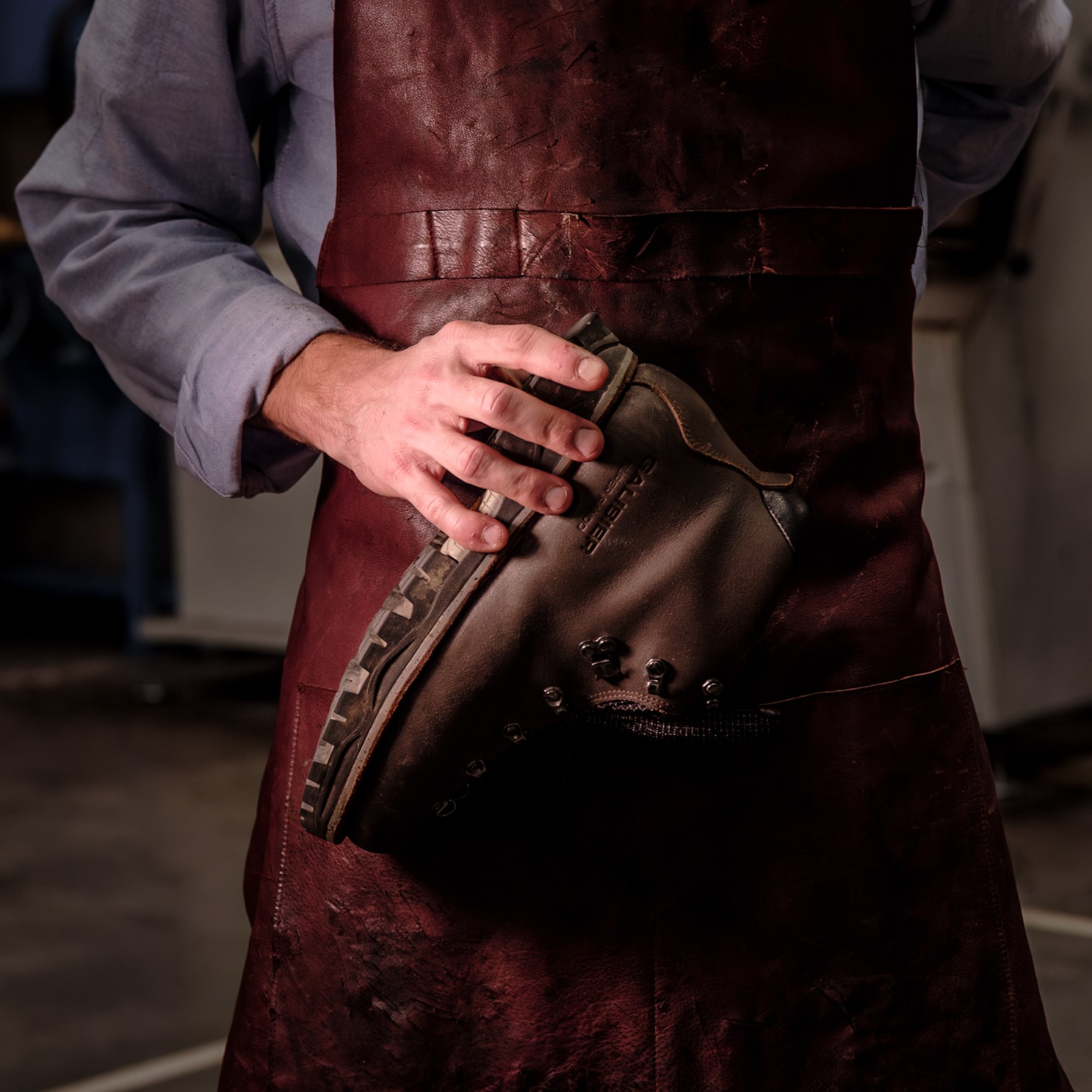
Just like the pioneers of mountaineering who had their boots resoled using the Norwegian stitching method, Galibier designs shoes built to last for decades. As you walk mile after mile, the material molds to your foot, offering comfort and authenticity that have become rare on the trails.
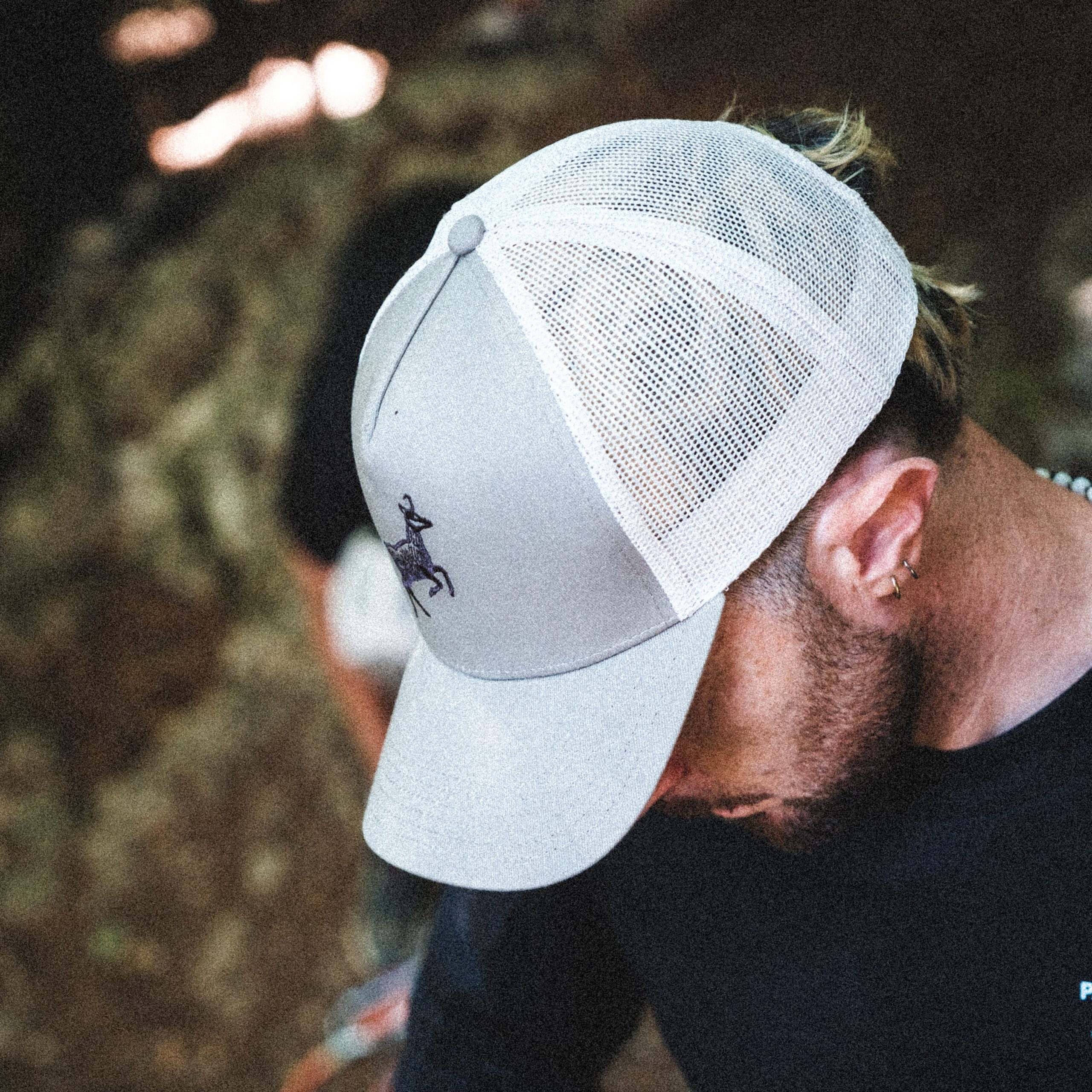
Carry on the Galibier legacy with our cap, made of cotton and polyester. Proudly featuring the iconic chamois, it’s the essential accessory for your mountain adventures.
Make sure your feet are properly equipped, plan your routes carefully, and set off with confidence toward the peaks.
FAQ – Outdoor Shoes
GALIBIER

These two terms often cause confusion.
“Outdoor” refers to the broad category of equipment designed for all types of outdoor activities.
Hiking boots constitute a specific branch of this segment, highly specialized for extended walks involving carrying a pack. They require higher standards of stiffness and upper height to meet the physical demands of long trekking routes.
Absolutely. Many low-top and mid-topmodels offer the comfort and cushioning needed for urban use. Their reliability, water resistance, and the traction of their soles are particularly appreciated on rainy or winter days in the city.
Beyond pure technical performance, the authentic aesthetic of our designs allows them to blend elegantly into any environment you encounter.
Full-grain or suede leather (such as Perwanger) is always distinguished by its superior durability, impact protection, and unique ability to mold to the shape of your foot after just a few outings.
It’s the choice for a long-term investment. Synthetic fabric offers immediate weight savings, flexibility without a break-in period, and excellent breathability in particularly hot weather, but it will wear out much faster when exposed to rock abrasion.