Performance, comfort and stability on all terrains. A men’s hiking boot must accompany every step, from forest trails to steep ridges. Morphology, use, season: discover our advice on choosing the right pair of hiking boots for your needs, season, use and morphology.
From the occasional hiker to the long-distance trekking enthusiast, every hiker has his or her own habits, favorite terrains and requirements. But they all have one thing in common. That is the need for reliable, appropriate equipment, especially when it comes to footwear.
Men’s hiking boots are not chosen at random. They must be adapted to a man’s morphology, generally wider and more robust than that of a woman, which explains why their structure and fit differ from those found on women hiking boots. At the same time, they need to provide optimum support during effort. They must also be able to cope with extreme conditions: steep slopes, muddy terrain, high temperatures or freezing cold.
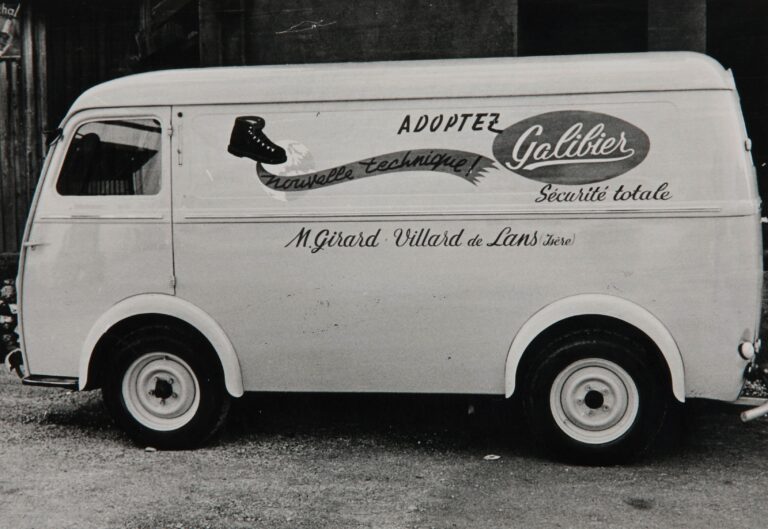
At Galibier, we’ve been designing footwear to meet these challenges for over a hundred years. In this guide, you’ll find the keys to choosing the right hiking boots for you. Depending on your riding style, your expectations and the conditions of the terrain.
Features of hiking boots for men
Men’s hiking boots are designed to meet the specific needs of a male morphology, often marked by a wider foot, stronger instep and more pronounced arch. These characteristics directly influence the choice of footwear and support technologies.
A good fit is essential. Too tight, the shoe creates pressure points and compromises blood circulation. Too loose, and the result is chafing and instability, especially on uneven terrain. That’s why men’s hiking boots need to be well constructed.
In this case, it’s advisable to take a size larger than your usual shoe size. When hiking, the foot swells from prolonged exertion and requires more space and freedom.

Lacing
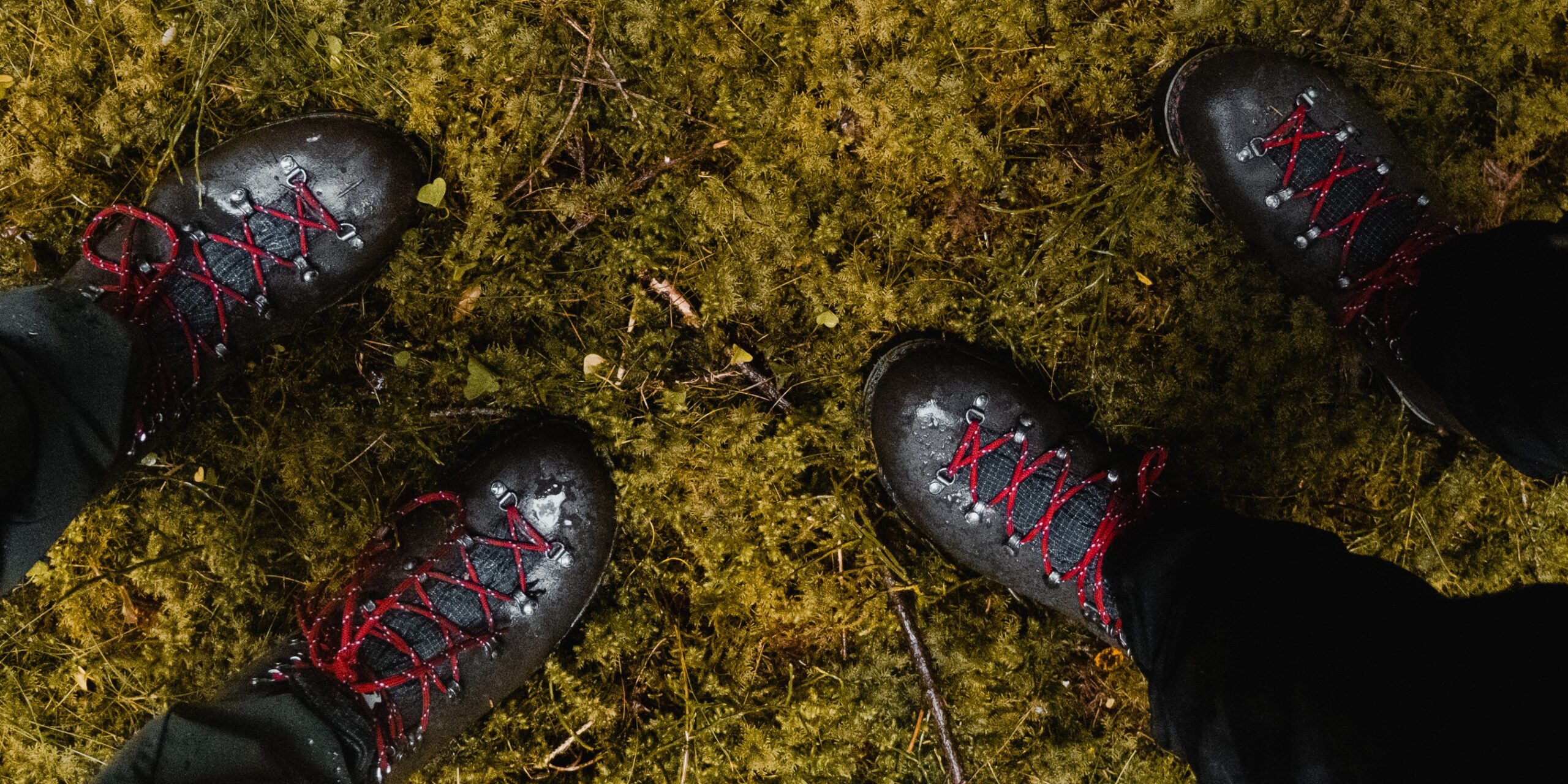
Lacing will also play a role in this free-feeling approach. Don't overtighten them to avoid poor circulation. But do tighten them sufficiently to ensure good support.
You can, of course, vary the lacing as you go along, loosening them slightly on a long climb and tightening them again before descending. Support is another key point. A well-designed model envelops the foot without compressing it, securing the ankle and guaranteeing firm support on all types of terrain.
Finally, comfort should never be neglected. It depends as much on the quality of the materials as on the internal structure of the shoe: insole, lacing system, padding of the collar (upper part enveloping the ankle). A well-designed hiking boot for men offers good cushioning, reliable lateral stability and, above all, limits fatigue over time.
In short, choosing the right hiking shoe for you means striking the right balance between comfort, support and fit, taking into account your body type and the trail you’ll be covering.
The right choice for your use and terrain
Hiking for men can take many forms: occasional strolls on marked trails, multi-day treks in the mountains, or winter ascents on technical terrain. This is why the choice of footwear must be closely linked to the frequency of outings, weather conditions and type of terrain.
Occasional vs. intensive hiking
For occasional, day-long hiking on easy trails, it’s best to opt for a light, supple shoe that’s comfortable from the very first steps. A low- or mid-height model with good breathability will suffice. They’ll keep you going for miles on end, without overheating or overloading.
On the other hand, for intensive mountaineering, such as treks lasting several days and involving a considerable difference in altitude. It’s imperative to opt for a sturdier mountain boot. It should offer excellent ankle support, good cushioning and increased resistance to abrasion. This calls for a reinforced structure, a thick sole and a high upper.
In this case, leather is the recommended material for men’s hiking boots. Of course, it will take some time for the leather to settle into the foot and become comfortable. But it’s a long-term investment, and once the break-in period is over, it’s there forever!
Summer, winter, hot and cold climates
In summer, on dry terrain and in high temperatures, "thermal" comfort becomes a priority. Men's summer hiking boots must therefore be breathable. They will often have low or medium-high uppers, to ensure good ventilation.

But what does the upper of a hiking boot mean? The upper defines the height of the shoe’s collar. In other words, where the shoe stops: at the malleolus, above the ankle or right down to the middle of the calf. That’s why we categorize different shoes as low, medium, high or high.
In winter or in cold, wet conditions, a hiking boot must offer effective thermal protection and reliable waterproofing. The essential element is the upper, which prevents any rain or puddles from penetrating inside. A breathable membrane completes this protective role.
Men’s hiking boots for technical terrain
Technical terrain (scree, roots, steep slopes, unstable paths) requires footwear with certain special features. A rigid upper, reinforced stone guard and Vibram sole or equivalent are required. For regular outings in the mountains, or on rough terrain, don’t hesitate to choose a technical model.
A model sometimes inspired by mountaineering, but adapted to extended walking, is ideal in this context. Our Galibier Super Rando are directly inspired by the Super Guide, the pioneering mountaineering boots of the 50s.
In short, versatility has its limits. To get the most out of your hikes, it’s best to adapt your shoes to each use, each season and each terrain. Constraints change very quickly, and can even vary within the same hike.
This is particularly true on Reunion Island, on the Grand Raid course. It’s a race that goes from hot and very humid terrain to cold and violent winds at altitude.
Comparison: low, high, waterproof
The choice between waterproof, low or high hiking boots for men depends on the type of hiking practiced, the hiker’s morphology and his or her priorities in terms of comfort, safety and technical features. Every hiker’s profile will find an advantage in one or other of these formats.
Low hiking shoe for men
Men’s low-cut hiking boots are ideal for day hikes, less technical trails or walkers looking for lightness and freedom of movement. They offer good ventilation, a fuller stride and weight savings. Perfect for dry or moderate terrain, they are less protective of the ankles.
Particularly when carrying a heavy pack or on unstable terrain. But the real difference will be felt over longer distances, especially on multi-day outings.
Men’s hiking boot
This men’s hiking boot is recommended for demanding outings, long distances and technical terrain. Its high upper offers reinforced ankle support, limiting the risk of sprains and providing greater stability. Particularly suited to trekking, heavy-duty walking and rough trails.
This type of shoe is also preferable in unstable or cold weather. It provides better protection against external elements such as mud, snow, stones or wind.
Waterproof hiking boots
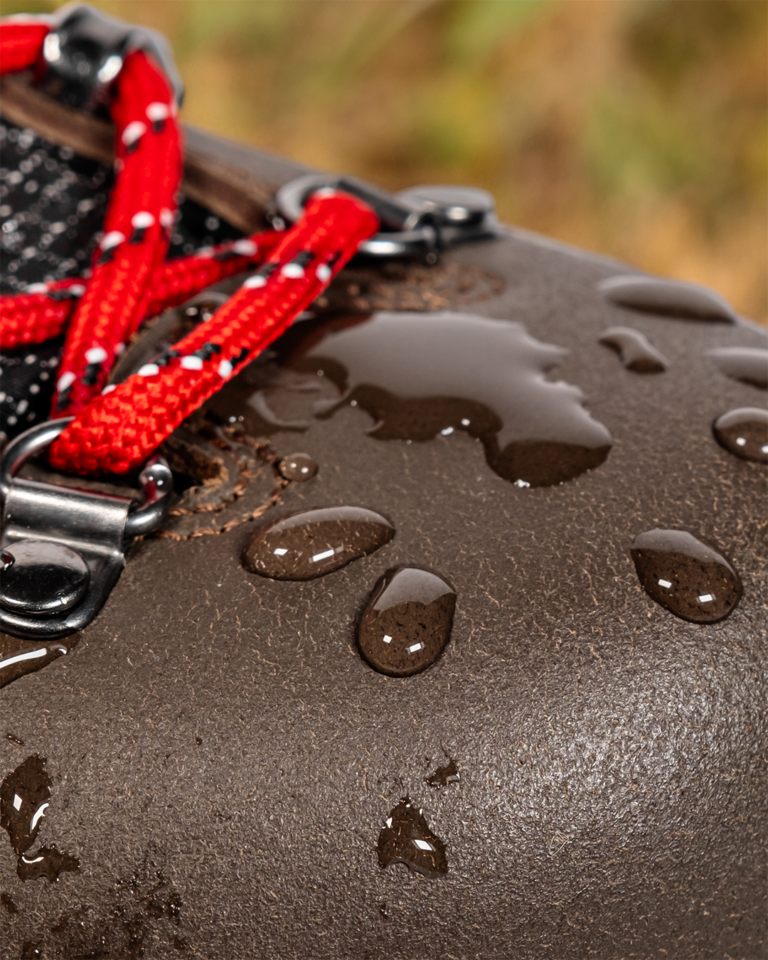
In wet environments, a waterproof hiking boot for men quickly becomes indispensable. This is made possible by technical membranes such as Gore-Tex or Sympatex. These models prevent water penetration while ensuring breathability. They are useful in winter, mid-season or in rainy regions.

Waterproof hiking boots
In wet environments, a waterproof hiking boot for men quickly becomes indispensable. This is made possible by technical membranes such as Gore-Tex or Sympatex. These models prevent water penetration while ensuring breathability. They are useful in winter, mid-season or in rainy regions.
However, in summer or during prolonged efforts, they can cause heat and humidity to accumulate inside, which is not ideal for all profiles. Water can also seep through the top if the hiking pants don’t ride low enough. In this case, it won’t be easy to get rid of it, unless the shoes are removed and dried.
Drying out hiking boots is one of the most important aspects of durability. Shoes that remain wet and damp develop odorous bacteria that can make you want to change the product.
To avoid this, it’s vital to adopt good practices. After an activity, the most important thing is to dry your shoes. To do this, remove the soles and place the shoes in an airy room, not at the foot of a fireplace. You can also place a shoe tree or newspaper inside the shoes to speed up the process.
When it comes to choosing between a low, high or waterproof shoe, you need to take into account your hiking profile, the frequency of your outings and the conditions you encounter on the ground. There’s no such thing as a perfect model, but a pair of shoes suited to every purpose.
Technical criteria and composition of a men’s hiking boot
A men’s hiking boot is more than just an envelope for the foot. It concentrates several essential technical elements that directly influence performance, durability and walking comfort. So before making your choice, it’s important to understand what makes a good hiking boot.
Outsole: grip and sturdiness
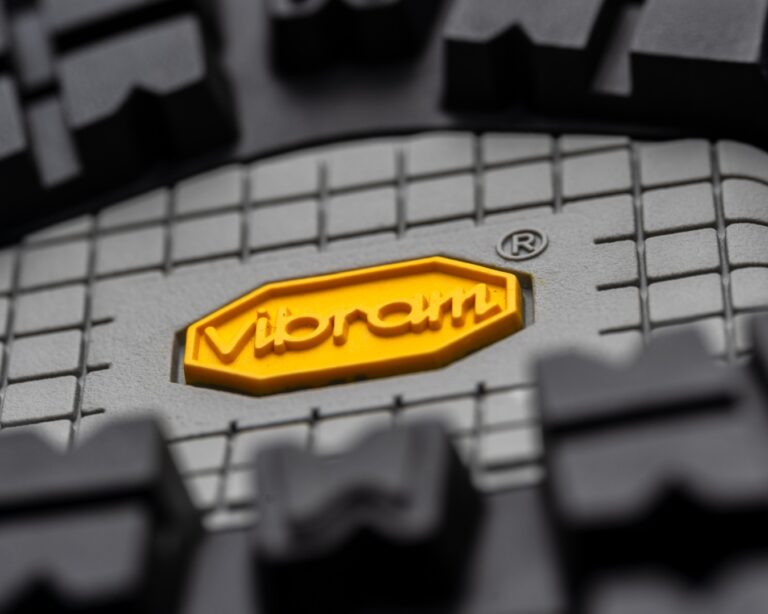
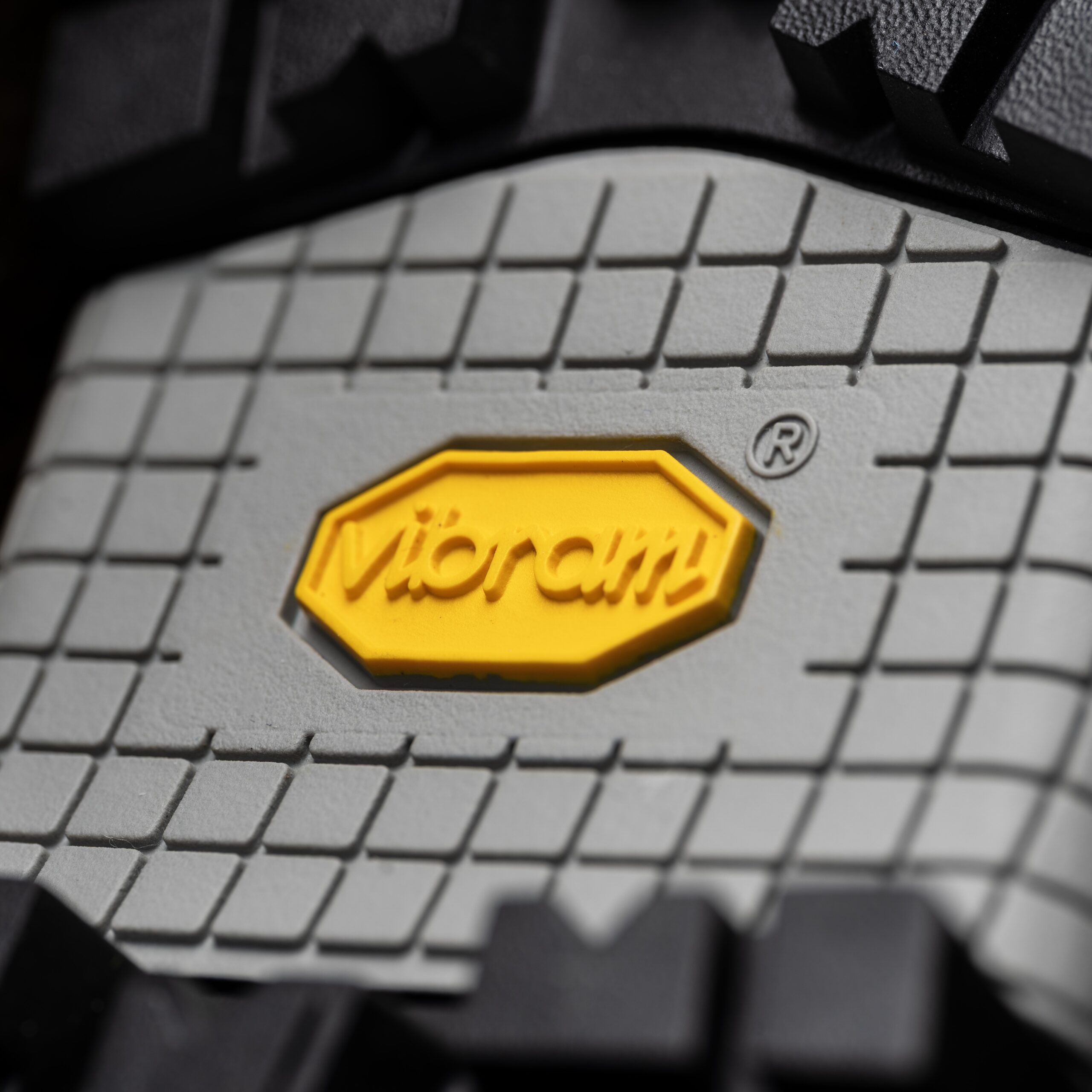
The Vibram sole is often considered a benchmark in the field. Outdoor shoe brands opting for a different sole or one of their own manufacture are becoming increasingly rare. Its specific rubber and well-designed lugs guarantee optimum grip on slippery, steep, rocky or muddy surfaces.
For technical hikes, choosing a model with a Vibram sole ensures good grip and stability. Above all, Vibram soles are renowned for their resistance to wear and abrasion. The sole crumbles much more slowly than average, guaranteeing outstanding durability. Such is the case with the Durastep Vibrams featured on our hiking boots.
Vibram technology
For technical hikes, choosing a model with a Vibram sole ensures good grip and stability. Above all, Vibram soles are renowned for their resistance to wear and abrasion. The sole crumbles much more slowly than the average, guaranteeing outstanding durability. Such is the case with the Durastep Vibrams featured on our hiking boots.
Membrane: waterproofing vs. breathability
Many men’s hiking boots are equipped with a waterproof membrane such as Gore-Tex or Sympatex. This is a recognized technology that protects against rain and wet exposure. However, for warmer weather, breathability is just as important to ensure that perspiration is wicked away. Hiking sandals may also be recommended.
Weight and construction: freedom of movement
Ultra-light hiking boots are becoming increasingly popular thanks to their versatility and design. Better suited to short distances, they offer greater freedom of movement. Especially when combined with a supple upper and well-cushioned sole.
Our recommendations for men’s Galibier hiking boots
At Galibier, our century-old know-how translates into models designed to last, made from natural, durable and repairable materials. To meet the varied needs of hikers, we have developed a targeted range based around three complementary models. Whether you’re looking for technical features, versatility or everyday comfort, you’ll find something to suit your needs.
Super Rando Mid and Super Guide for technical profiles
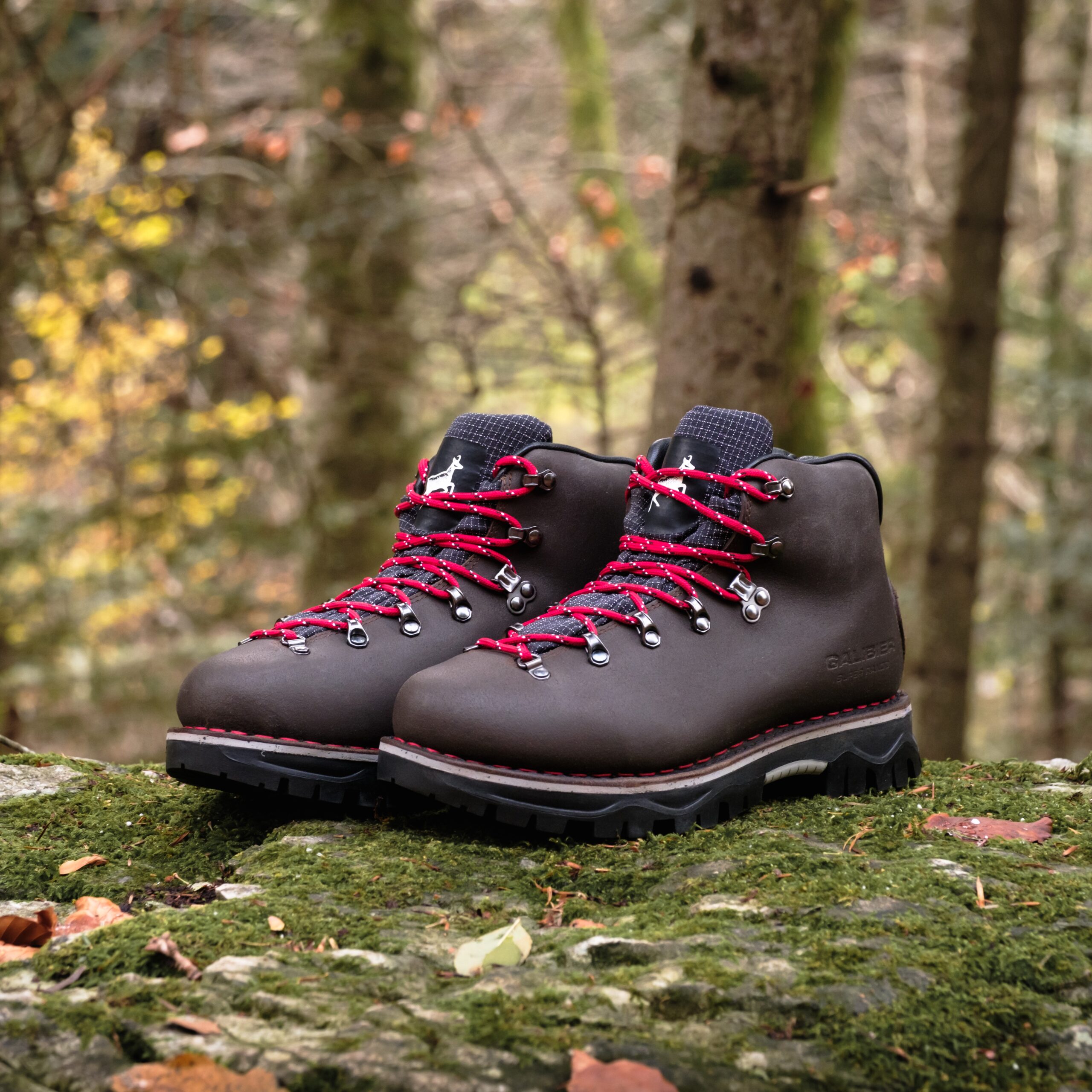
Our Galibier Super Rando Mid will be your perfect companion on your best treks and camping trips. Its sturdy mid-cut design provides firm ankle support, even over long distances. What’s more, it features a Sympatex membrane that wicks away moisture whilst remaining waterproof.
It’s not afraid of technical terrain, far from it! This is a stable hiking boot with excellent grip, thanks in particular to its reinforced Vibram sole. To wear it out, you’ve got to go for it.
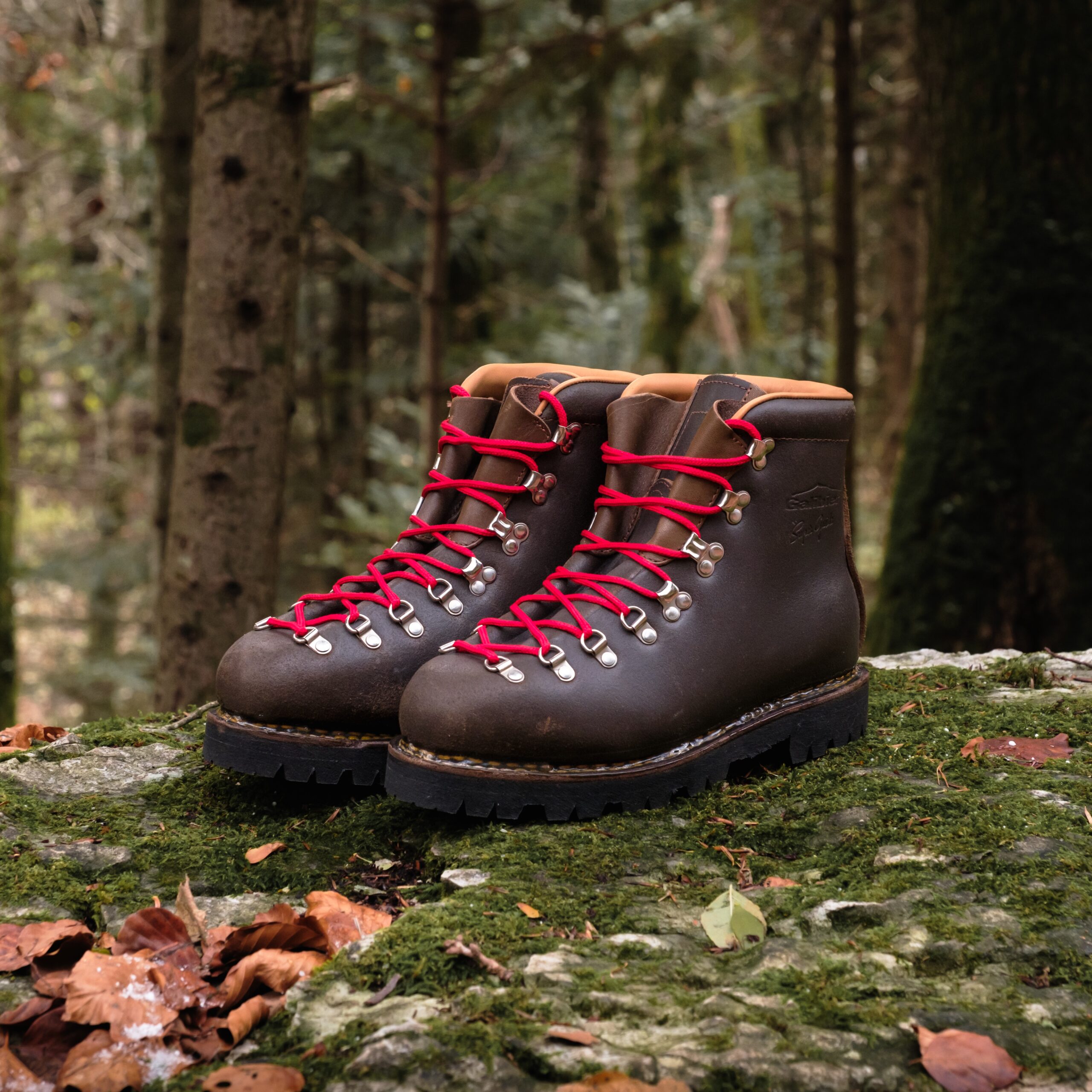
Speaking of technology, we’re obliged to mention the product that made our reputation and from which our current products are strongly inspired. The Super Guide is the pioneering mountaineering boot par excellence. It exudes robustness and indestructibility, and it was even said that it took 6 months for the leather to cure on the foot.
A high-cut boot such as the Galibier Super Guide will be the heaviest, tallest and most robust. It is a substantial boot, featuring thick leather and designed for the most challenging mountain activities. It rises to mid-calf height to withstand all types of conditions and terrain. This boot represents our heritage, and we remain as proud as ever to talk about it.
Super Rando Low for versatile walks
If not everyone is so keen on mountaineering that they’d buy a Super Guide, then the Super Rando Low shoe is just right for walking and short-distance hiking. This shoe is lighter than its big sisters, and its low shaft allows for greater mobility.
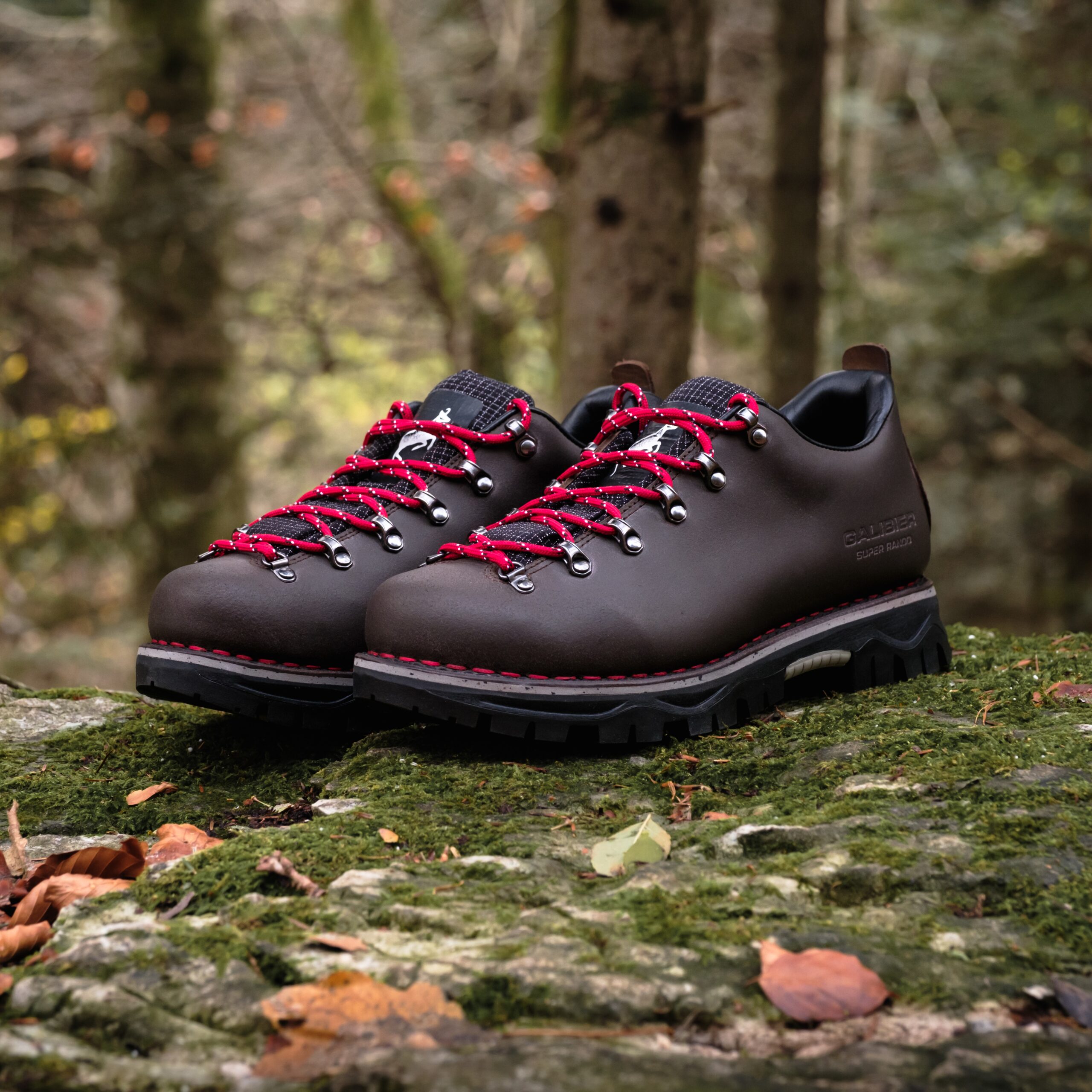
But its no less sturdy thanks to its one-piece leather construction and Norwegian stitching. These are features common to all our products. The Super Rando Low will be a perfect ally for beautiful daily walks, even with a bit of elevation gain.
Choosing the right hiking boots for men means guaranteeing performance, safety and comfort at every step. Morphology, terrain, season, frequency: all these criteria should guide your selection.
Super Varappe: Approach Shoe
Facing the outdoor trend favoring the “disposable” and ultra-lightness over reliability, we are making the committed choice of returning to the essential. The Super Varappe range is designed to accompany you throughout your alpine history.
Designed for multi-activity and built for approach, it is made to go far.
Super Varappe Mid: The approach shoe for demanding treks
The approach shoe for your treks. The Super Varappe Mid men’s offers total waterproofing (100% recyclable, PFAS-free Sympatex membrane) and high breathability. Its mid-cut upper provides unfailing ankle support on uneven terrain. Designed for the mountains, in all weather conditions.
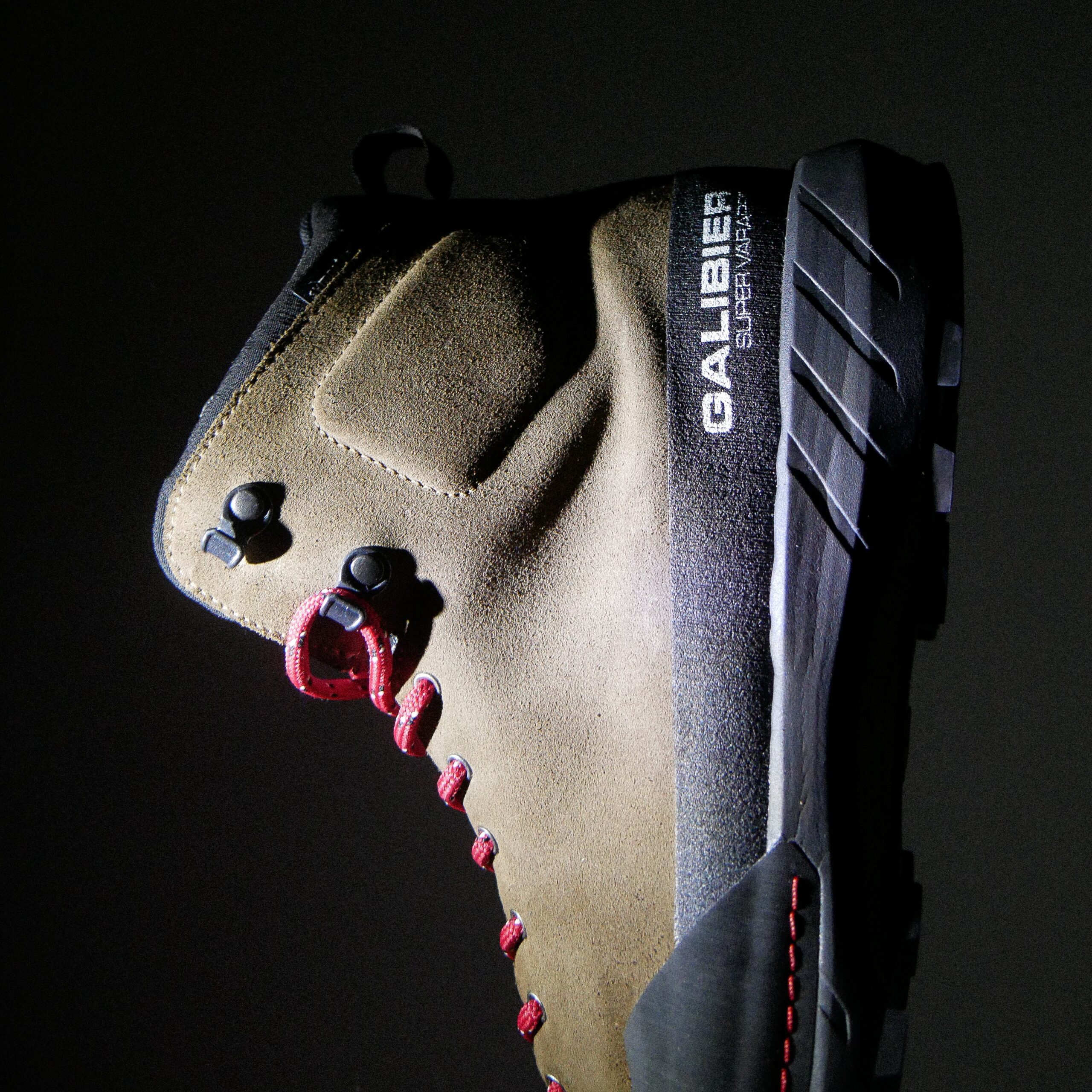
Super Varappe Low: The multi-activity and approach shoe
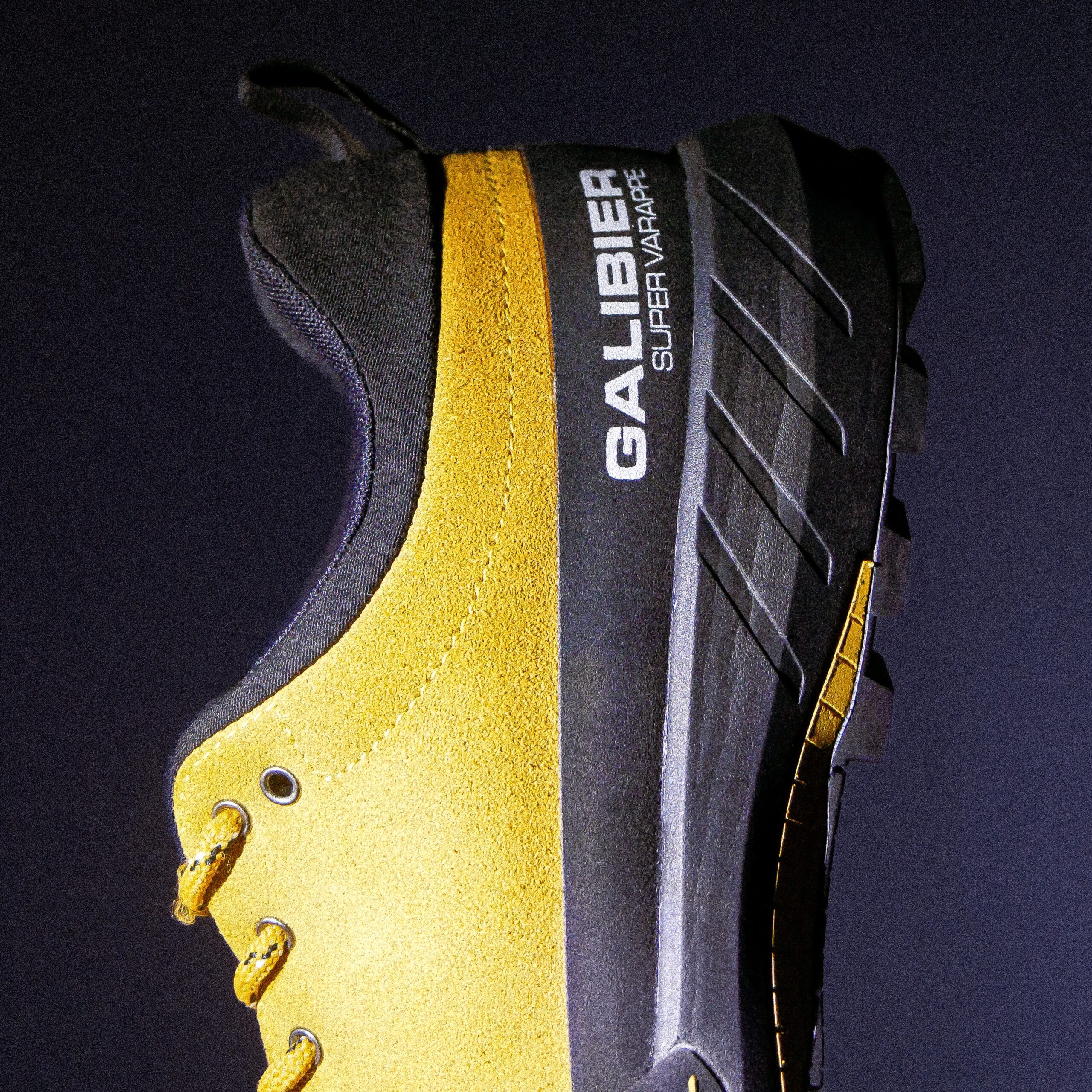
The ultimate tool for freedom of movement, the Super Varappe Low men’s is a lightweight (765 g) and ultra-competitive shoe. Featuring Perwanger leather and a Dyneema tongue, it’s ideal for approach and via ferrata.
At Galibier, we are committed to designing durable, technical models adapted to all walking profiles. All you have to do is lace up your shoes, and set off to conquer the trails, with a free spirit and well-protected feet.
FAQ – Men’s hiking shoes
GALIBIER

When choosing men’s hiking boots, you should consider three main factors: how often you go out (occasionally or frequently/trekking), the type of terrain (easy trails or technical terrain/mountains) and the load you’ll be carrying.
For occasional use, opt for a lightweight, flexible model (low-cut). For trekking or rough terrain, choose a high-cut boot (mid-cut) with good ankle support and a reinforced Vibram sole, offering grip and stability.
The main difference lies in the height of the upper and the protective features. Low-cut men’s hiking boots offer lightness and freedom of movement, making them ideal for dry and moderate terrain. High-top boots provide ankle support against twisting, which is essential on unstable terrain or when carrying a load. Our waterproof models protect against moisture (rain, mud), which is essential in cold or wet conditions, but may be less breathable in summer.
It is advisable to choose a size larger for your men’s hiking boots, as feet tend to swell slightly during prolonged exertion, particularly on long walks or when walking downhill. This extra space prevents pressure points and chafing (and therefore blisters) and ensures that your feet are not constricted, providing optimal comfort over time and reducing fatigue.