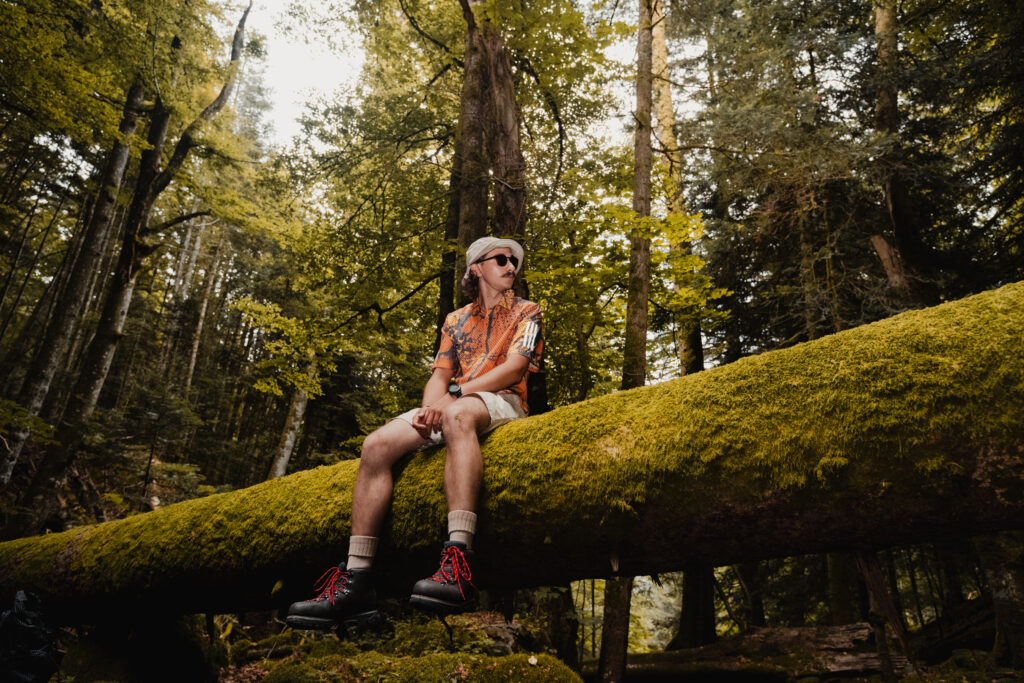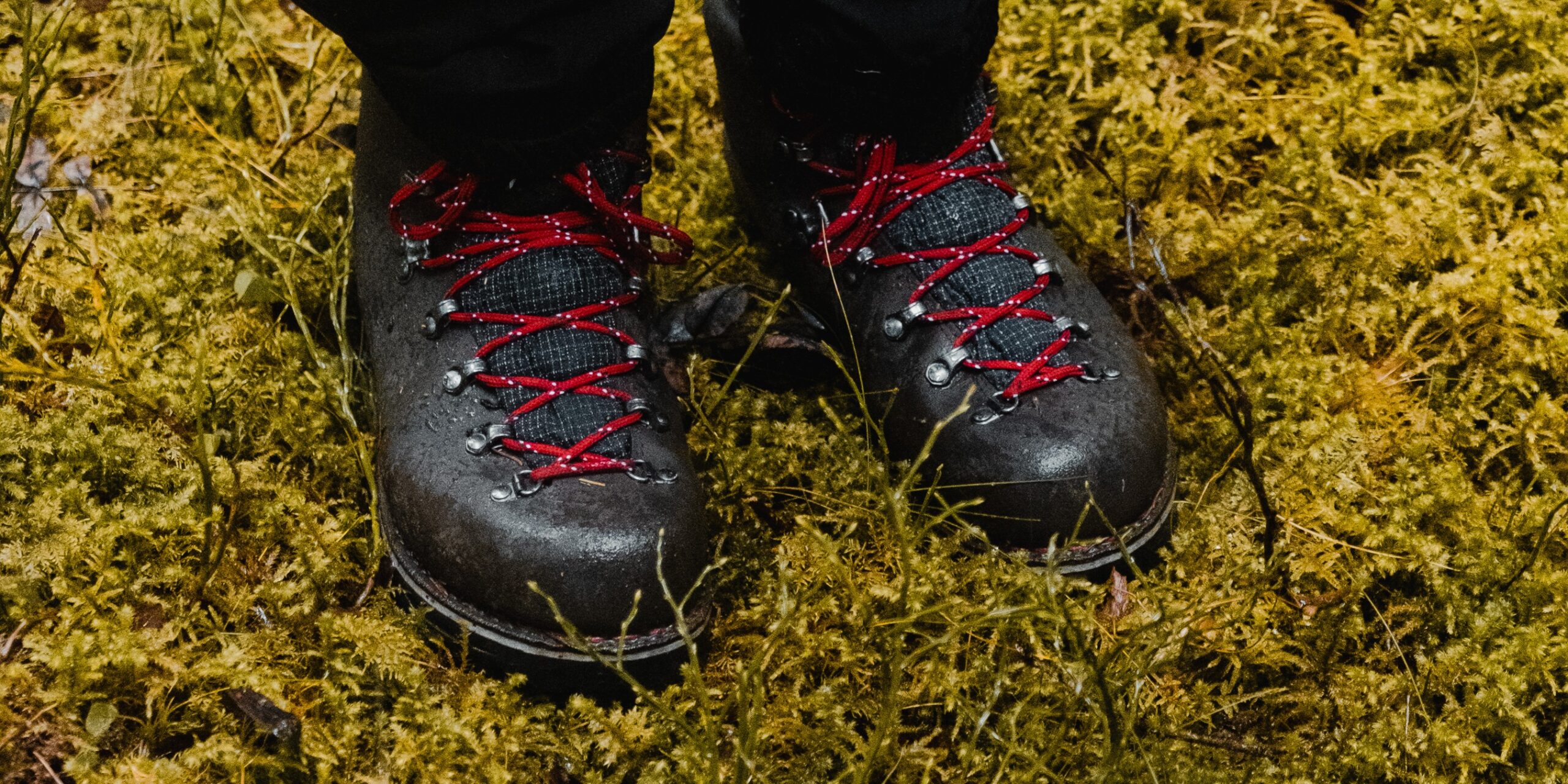
Choosing a demanding men’s walking shoe means first and foremost adapting biomechanics to a surface. This guarantees support, safety and comfort. Walking puts repeated strain on joints and muscle chains. To support this natural movement, it’s essential to choose the right type of walking shoe for the terrain.
The Galibier heritage: the demands of the mountains at man’s service. Born in the Alps, our factory has forged its know-how in the high mountains. Our flagship models have always fulfilled a dual promise: absolute reliability and protection. Today, this technical heritage inspires our entire range.
When you choose Galibier shoes, you’re choosing equipment designed by artisan shoemakers. The thickness of our leathers, the rigor of our stitching and the precision of our footwear are not aesthetic arguments, but necessities dictated by the terrain.
Specific features of a men’s walking shoe
The male foot has its own morphology and dynamics, requiring a specific shoe construction. In fact, the overall volume of the male foot is greater, characterized by greater width in the forefoot and a stronger instep.
The question of weight is also central. The average weight of a walker and his bag impose heavy mechanical constraints. The sole unit must offer superior torsional rigidity to stabilize the foot. As for cushioning, foam that is too soft will crush prematurely under this load.
The right model for every situation: men’s walking shoes
The most common mistake is to choose a shoe that is either too large or, conversely, too soft for the actual use you’ll be putting it to. The technicality of a pair of Galibier shoes is only fully expressed when they are aligned with your usual walking environment.
Whether it’s protecting your joints on urban surfaces or guaranteeing your stability in unstable scree, each model family answers a precise mechanical equation.
Active urban walking
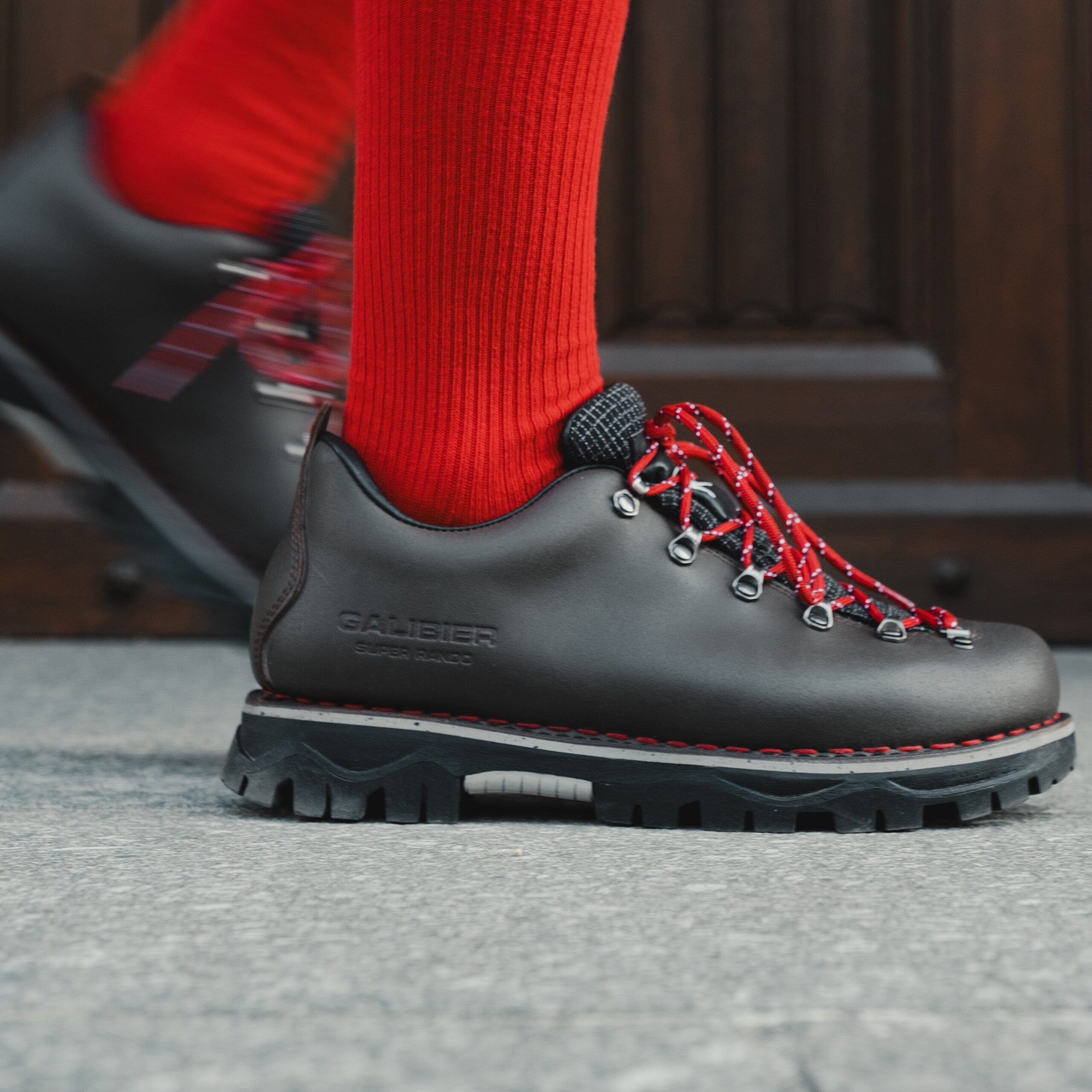
For dynamic outings on marked trails or day hikes, priority is given to foot roll. You need a lightweight shoe with a certain amount of longitudinal flexibility. A block sole with distributed cushioning and shoes with low uppers that free up the malleolus enable a fluid stride, offering real freedom of movement on less technical terrain.
Nature hiking
As soon as you leave the beaten track for rough terrain (undergrowth, dirt paths, wet rocks), requirements change. Men’s hiking shoes need moderate grip to avoid slipping, and above all excellent protection. For light hikes with little portage, good low hiking boots in full-grain leather, naturally water-repellent, keep feet dry while resisting abrasion.
Trekking and challenging terrain
When it comes to long-distance roaming, scree-climbing or steep ascents, there’s no need to compromise on equipment. Men’s trekking shoes feature a high upper, essential for firm ankle support and preventing sprains. An integral stone guard will protect the leather from frontal impacts, while an ultra-rigid sole will enable you to lean on rocky edges without bending.
men’s walking shoes: selection criteria
Aesthetics are alluring, but the technical specifications really count on the slope. At Galibier, each component responds to a specific physical requirement of the walker. This includes moisture management and joint protection. These criteria are not simple selling points.
These are concrete answers to premature wear and muscular fatigue. Choosing consciously means seeing footwear as an overall system. Every detail influences your safety. First and foremost, your equipment must be at one with your feet.
The support, stability and lacing of a men’s walking shoe
A good fit is not simply a matter of tightening your laces to the maximum. It depends first and foremost on the quality of the heel counter, the rigid part at the back of the shoe that locks the heel in place. If it's well designed, the heel doesn't lift up when walking, thus avoiding overheating and blisters. Deep lacing, descending low on the forefoot, allows you to adjust the shoe's volume to your own morphology.
Men’s waterproof walking shoes
This is the permanent challenge of outdoor footwear. While the mainstream market favors gore tex for waterproof footwear, at Galibier we value the effectiveness of natural materials or more robust ecological membranes (such as Sympatex). Properly nourished, full-grain leather offers remarkable water repellency while retaining breathability that traditional synthetic membranes struggle to match in hot weather. What’s more, a conventional membrane often ends up puncturing at flex points, where leather can always be maintained.
Men’s walking shoes: the block sole
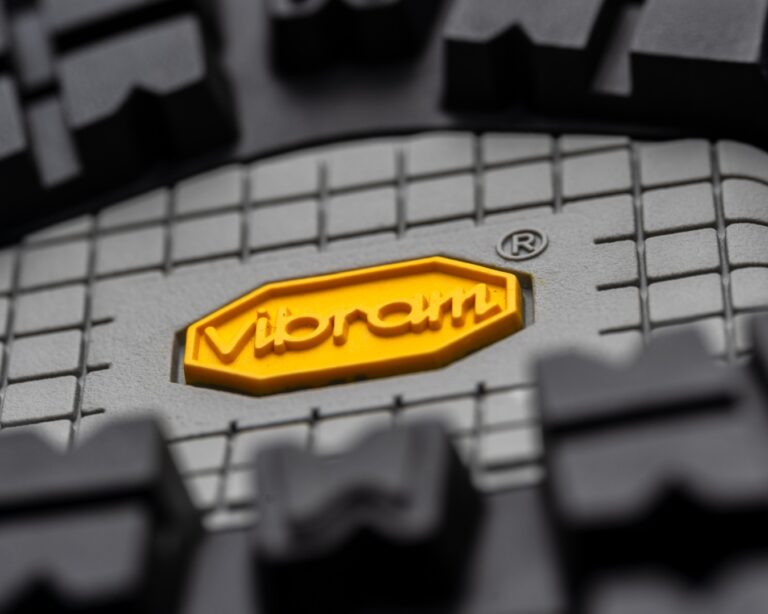
This is your only point of contact with the ground. Cleat design determines grip and traction. We always choose soles renowned for their longevity, whether they be our historic assemblies or technical profiles offering vibram-like grip, with deep notching for natural earth breaking.
The art of fitting: fitting and lacing
Choosing the right model doesn’t stop at the shoe size. We recommend that you try your shoes on at the end of the day, when the foot has naturally swollen, wearing the technical socks you’ll be using on the field.
During the fitting, take the time to achieve precise lacing. The aim is to distribute tension: firmly lock the instep with the self-locking hooks to wedge the heel at the bottom of the shoe, then adjust the upper without creating a tourniquet effect on the top of the ankle.
Super Rando: the hiking and trekking shoe
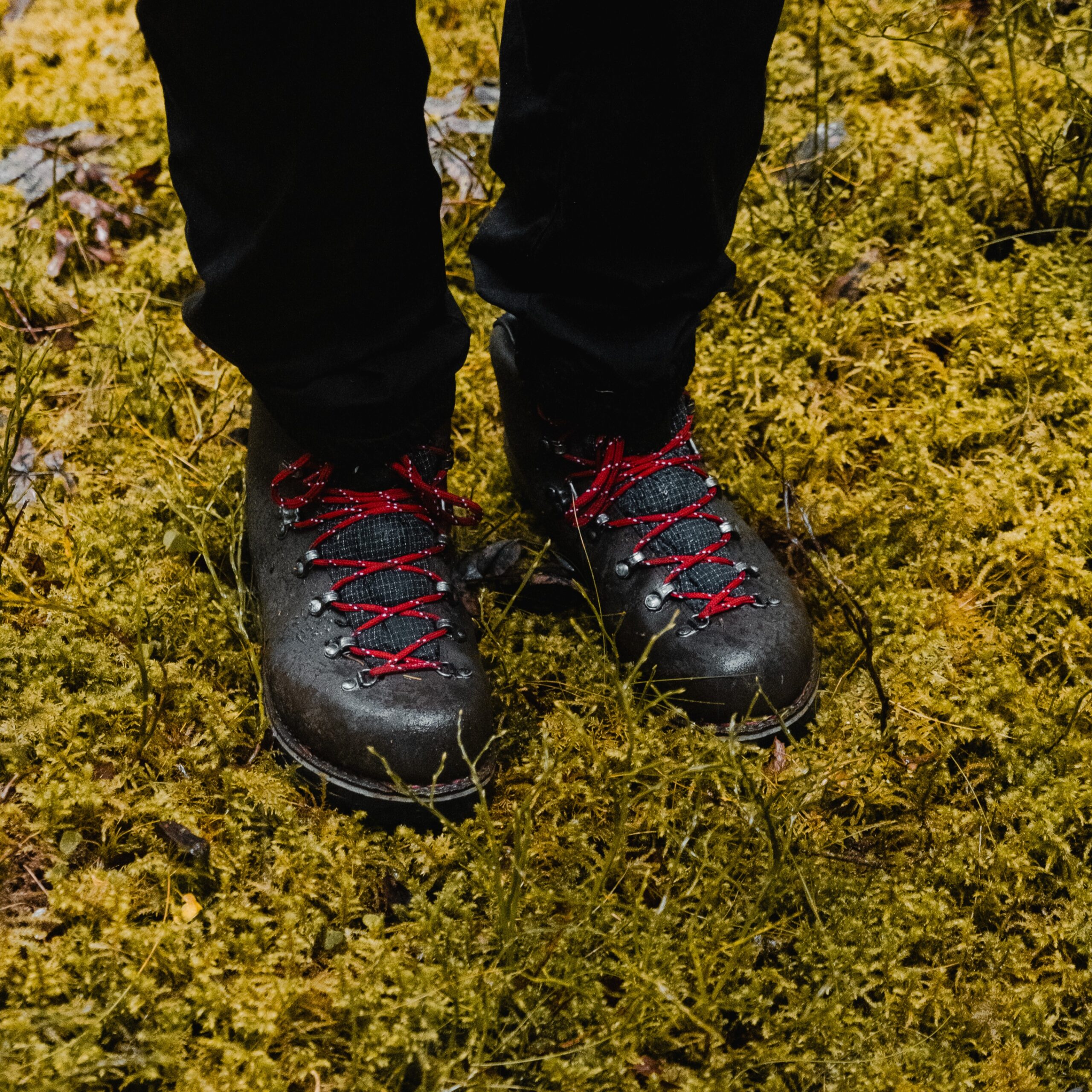
The Galibier Super Rando Mid, on the other hand, is totally designed for long distances. Its higher upper provides extra support for optimum comfort over repeated effort.
The Galibier Super Rando Low is the lowest model in our new collection. It’s a mixed hiking shoe, but it’s more popular with our male clientele.
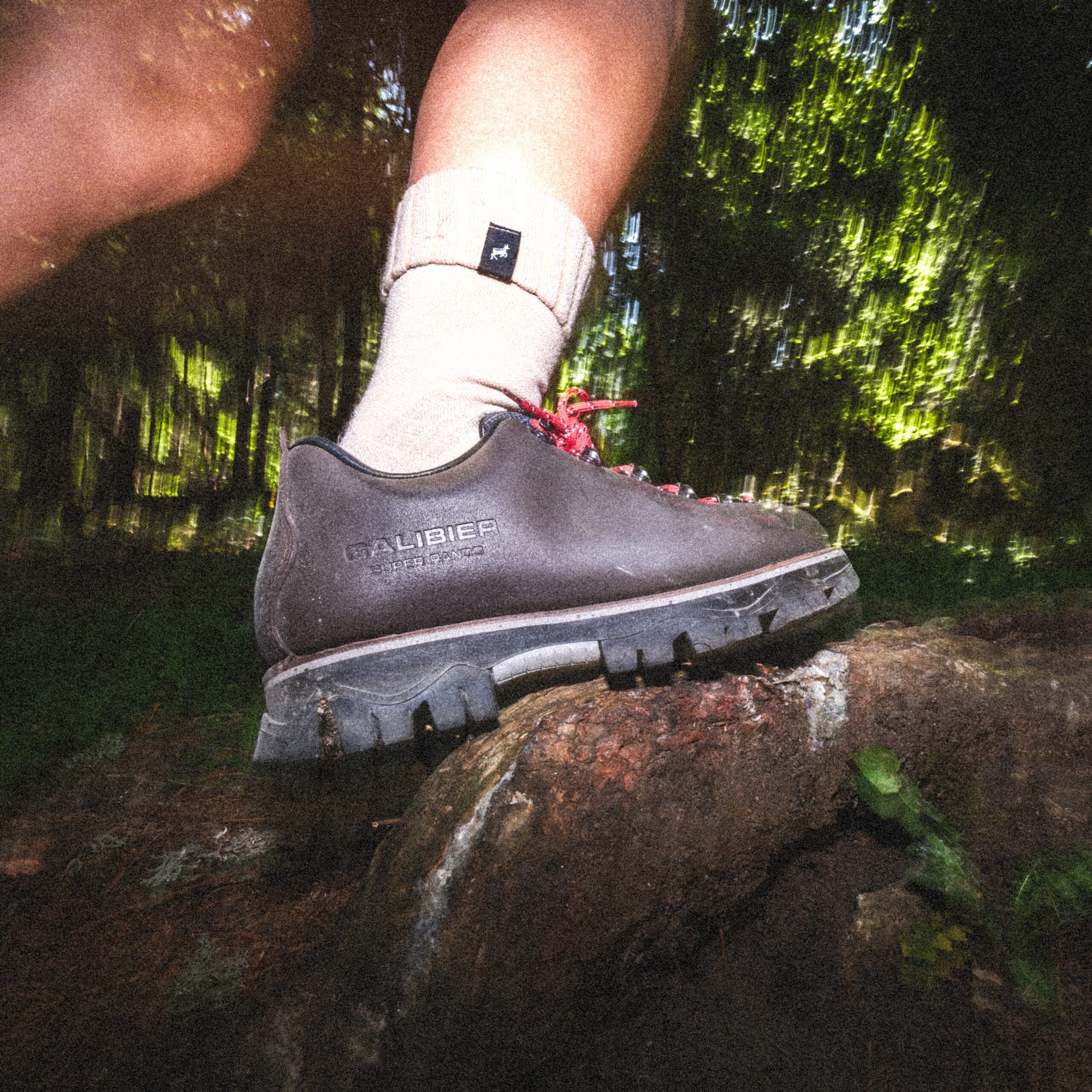
With the Super Rando Mid and Low models, we are responding to the current trend: offering the possibility of walking faster, without compromising safety.
Designed for pioneers, made for adventurers.
Super Varappe: the multi-activity and approach shoe
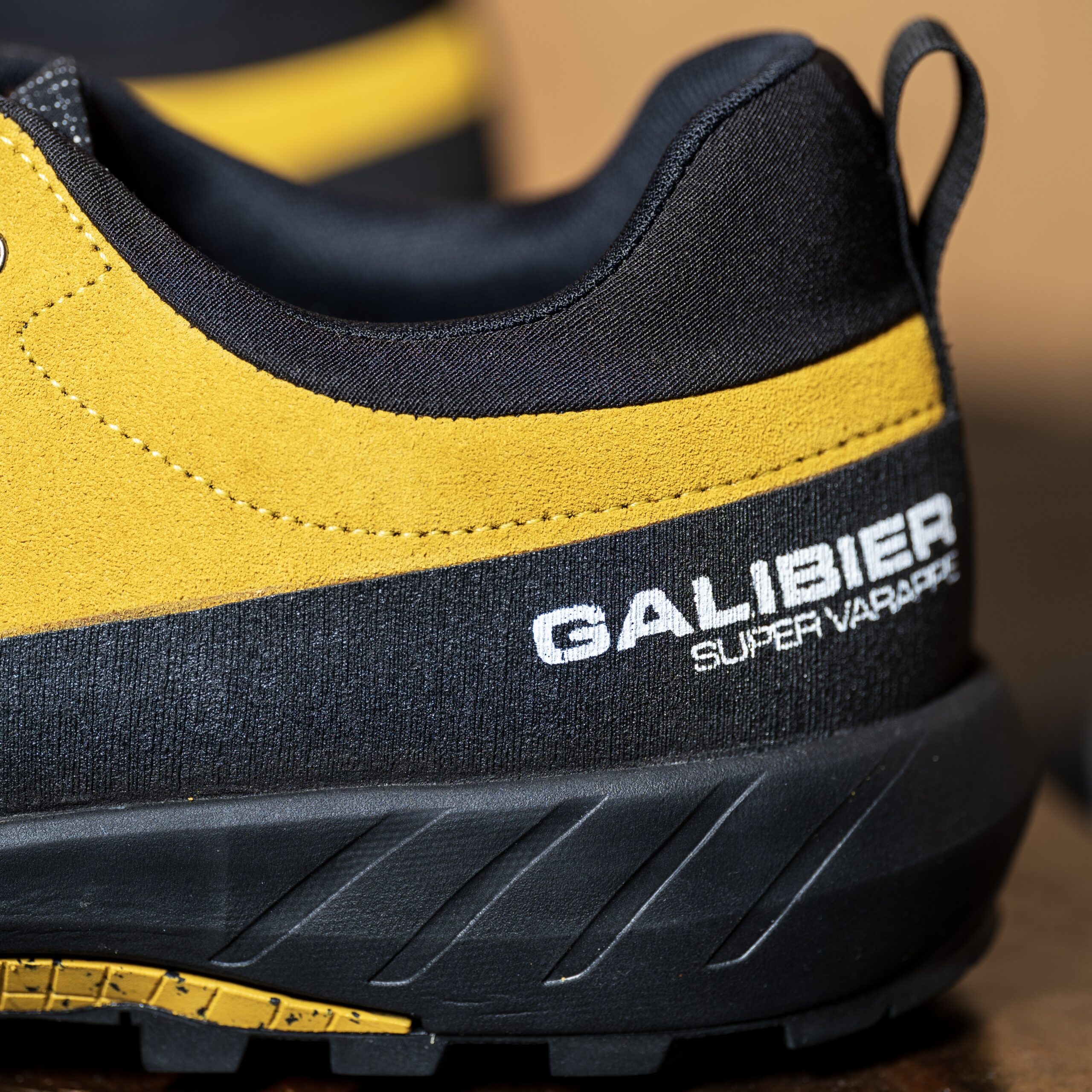
From technical approach walking to rock climbing, the Super Varappe range is built to provide the perfect grip. Available in Mid and Low shanks, they share a common design focused on precise support, adapting to all types of walkers for whom grip is a matter of safety.
Super Varappe Mid: the approach boot for demanding treks
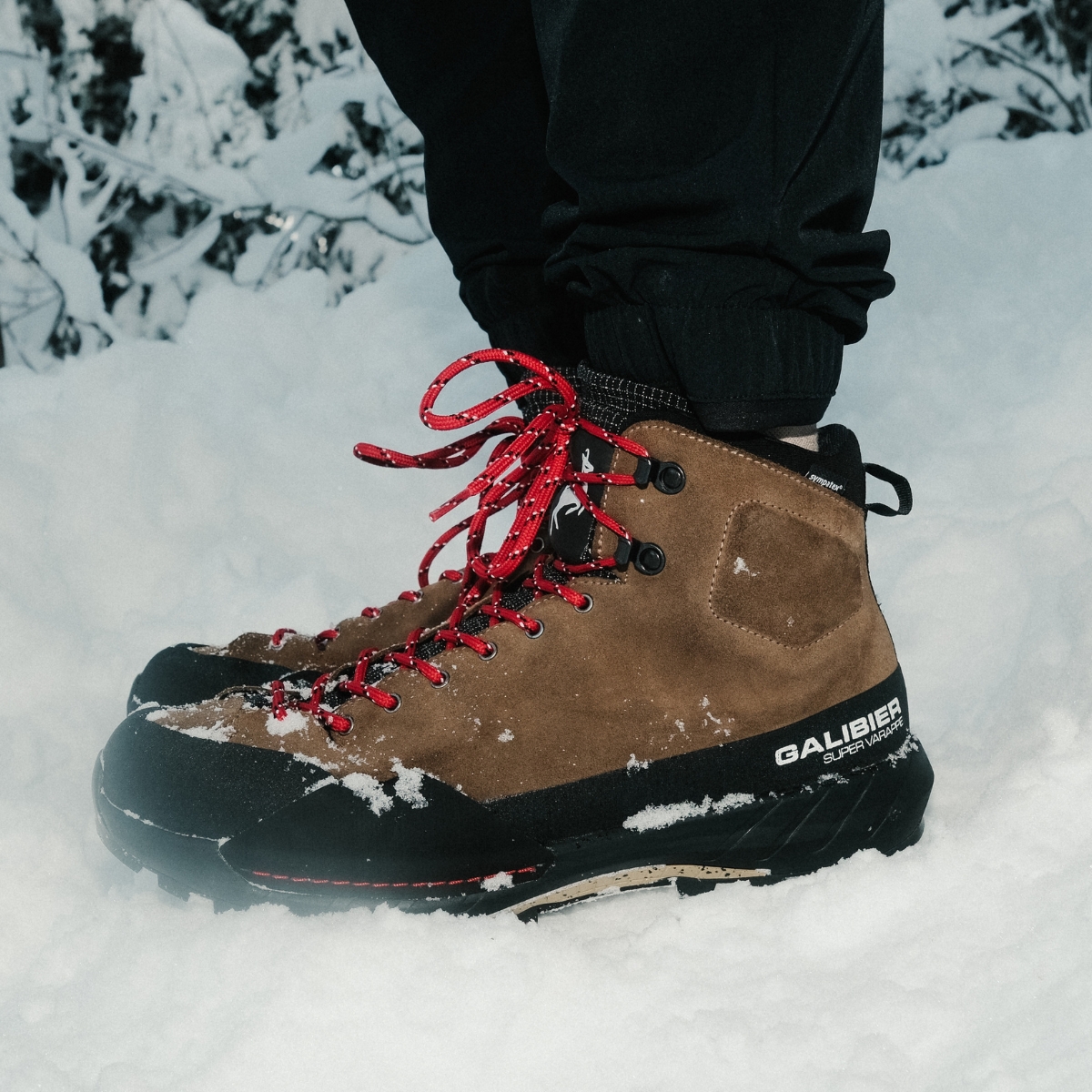
Ideal for trekking over difficult terrain, the men’s Super Varappe Mid offers comfort, absolute protection and a commitment to the environment. It features a waterproof, breathable Sympatex membrane, and a high-cut upper for excellent ankle support.
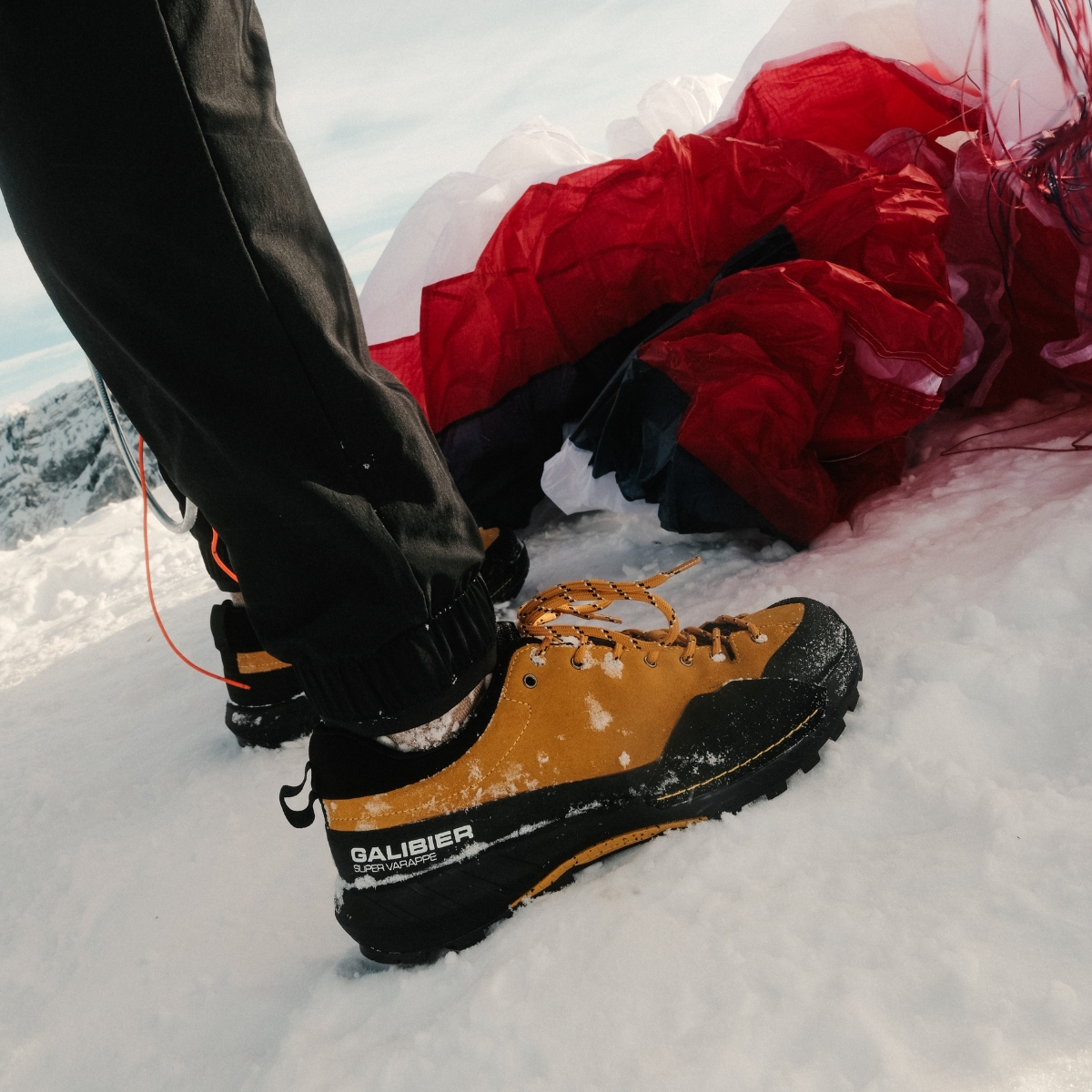
Super Varappe Low: the multi-activity and approach shoe
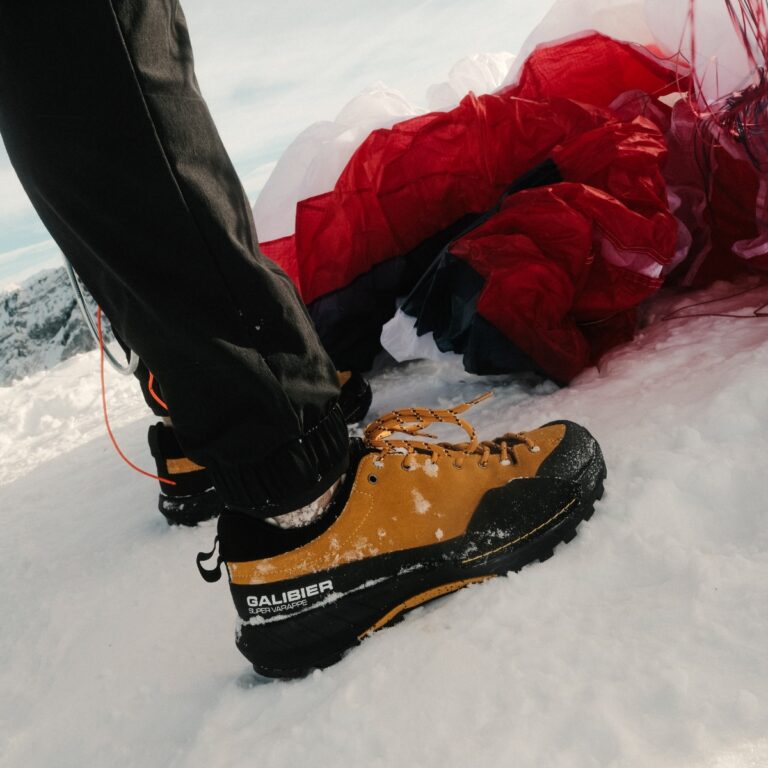
Agile and lightweight, the Super Varappe Low for men revolutionizes fast approach walking. It combines Perwanger leather and a Dyneema tongue for total protection against rocks and moisture. Ideal for multi-activity, they offer precision, liveliness and reliability.
Men’s walking shoes: choosing reliability
Buying a pair of walking shoes is an investment. Against the logic of obsolescence, our philosophy is based on reparability. The traditional assemblies we use (such as Norwegian stitching) enable the sole block to be disassembled cleanly. Once the studs have worn out after hundreds of kilometers, resealing gives your equipment a second life, while preserving a leather upper that has adapted perfectly to the morphology of your foot.
FAQ – men’s walking shoes
GALIBIER

Men’s walking shoes cover a very broad spectrum, from active urban walking to strolls on stabilized trails. The emphasis is on flexibility and lightness. Hiking shoes are designed for more rugged terrain and longer outings: they incorporate reinforcements (stone guards), a more aggressively notched sole and generally offer superior protection against the elements.Is a leather men’s walking shoe too heavy?Genuine leather is structurally denser than nylon or synthetic mesh. However, this slight extra weight is offset by protection, thermal support and, above all, longevity. Over a long effort, a foot well supported by robust leather will tire less than a foot that is constantly compensating for the lack of structure of a shoe that is too light.
Although hiking sandals are appreciated for their breathability in hot weather, we strongly advise against using them outside perfectly marked trails. They offer neither protection against stones nor support for the ankle, considerably increasing the risk of injury.Are laceless walking shoes for men effective?For active walking, laceless walking shoes for men (slip-on type) are to be avoided. The absence of lacing prevents the instep and heel from being properly locked in, creating friction (blisters) and a blatant lack of safety on downhill runs.
Low-profile models (for active or urban walking) are ideal for this purpose, thanks to their flexibility. Wearing rigid approach or trekking shoes on asphalt is not ideal. Daily use on hard ground considerably accelerates wear on the rubber studs. What’s more, walking comfort is sub-optimal on this type of flat surface.Can I use your models for Nordic walking?Men’s Nordic walking shoes require an excellent foot roll and a low upper so as not to block the stride amplitude. Our approach or light hiking (Low) models are ideally suited to this dynamic sport.