A Vibram shoe is much more than just a sole: it’s the ultimate grip for your adventures. For almost a century, the famous yellow octagon under the sole has been synonymous with grip on wet rock, abrasion resistance and stability. For Galibier, this rubber is a historic requirement for the safety of mountaineers and hikers.
Before 1937, climbers wore leather soles studded with iron (“Tricounis”). These nails were heavy, conducted cold and slipped on smooth rock. It was following a tragedy in the Italian Alps, at Val Masino, where six of his companions perished due to inadequate equipment and the cold, that mountaineer Vitale Bramani decided to change everything.
Inspired by car tire technology and with the help of the Pirelli brand, he invented the first vulcanized rubber sole with studs: the Vibram sole (a contraction of his name, Vitale Bramani). This invention revolutionized hiking boots, offering for the first time thermal insulation of the sole and reliable grip. Today, Galibier remains faithful to this heritage. No technology has yet surpassed this blend of chemical engineering and functional design to guarantee your safety in the mountains.
What is a Vibram shoe?
A shoe with a Vibram sole is distinguished by the composition of its rubber and the design of its studs. A standard rubber sole hardens in the cold and loses all its grip. As a result, it also wears out very quickly on asphalt. Vibram compound is different. It maintains its physical properties under extreme conditions.
The secret also lies in the chemistry of the rubber. The design of the sole is also crucial. For its flagship models, Galibier has innovated. We developed a unique outsole. The studs are also exclusive. They are directly inspired by our historic models.
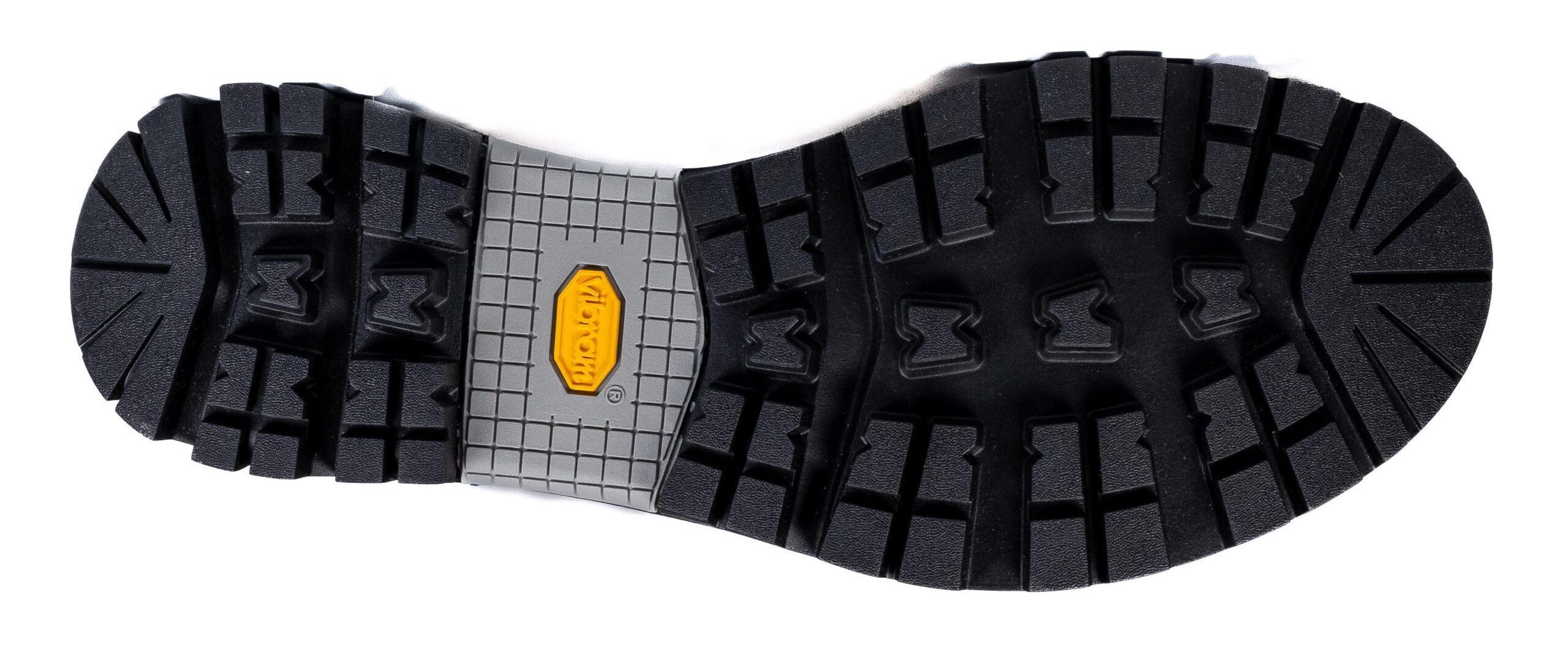
Our hiking boots with Vibram soles are cast in Vibram Durastep compound. This shell offers greater resistance to abrasion. The figures speak for themselves: with a rubber thickness of 4 mm (25% thicker than the direct competition) and a Shore hardness rated at 83 (+15% compared with market standards). As a result, this sole can withstand the shocks and wear of scree. It’s the choice of reliability. This rubber maintains excellent grip. This is true even at very low temperatures, without crumbling at the first scree.
Why choose Vibram soles for your hiking boots?
Choosing a women’s or men’s Vibram walking shoe means deciding not to let the terrain dictate your pace. The sole is the only point of contact between you and the mountain, ensuring safety, comfort and longevity.
It all starts with saving energy. Whether you’re walking on dry granite or sodden grass, the grip of a Vibram men shoe eliminates any parasitic micro-sliding. Hikers no longer need to tense up to keep their balance.
This reduction in muscle fatigue is amplified by the very architecture of our models. We have opted for a 13 mm drop. This technical drop places the body in an ideal posture for walking. It relieves pressure on the calves and Achilles tendon. This effect is particularly noticeable with a heavy pack.

Then there’s protection. The Vibram sole allows you to traverse uneven terrain without suffering, serving as real protection against sharp stones. Finally, there’s durability. A Galibier Vibram hiking shoe is an investment.
Where standard composites eventually crumble or smooth out after two seasons, Vibram rubber retains its structure and properties. This combination is ideal for demanding hikes. The GR20 or the Tour du Mont-Blanc are good examples. The robust leather and reliable sole ensure peace of mind. This remains the benchmark for serene walking.
Curious to know more about the invention that definitively replaced studded soles and revolutionized high-altitude safety back in 1937? Discover the fascinating story of Vitale Bramani directly on the official Vibram website.
Our men’s and women’s shoes with Vibram soles
At Galibier, we’ve selected the finest insole blocks to complement our full-grain leather.
Super Rando: The Durastep and SpringLug alliance
Visually, it’s an indestructible mountain boot. Inside, the Super Rando draws its versatility from a two-part construction. This marriage of materials, invisible to the naked eye, is felt right from the first step:
Outside (The Shield): The Durastep rubber shell. Its mission is to grip the ground and resist the aggression of granite with its 4 mm thickness.
Inside (Cushioning): Vibram SpringLug technology. This is a low-density polyurethane (PU) foam (0.36 g/cm³) encapsulated in the sole. The figures speak for themselves: the sole block is 20% lighter than a 100% rubber construction.

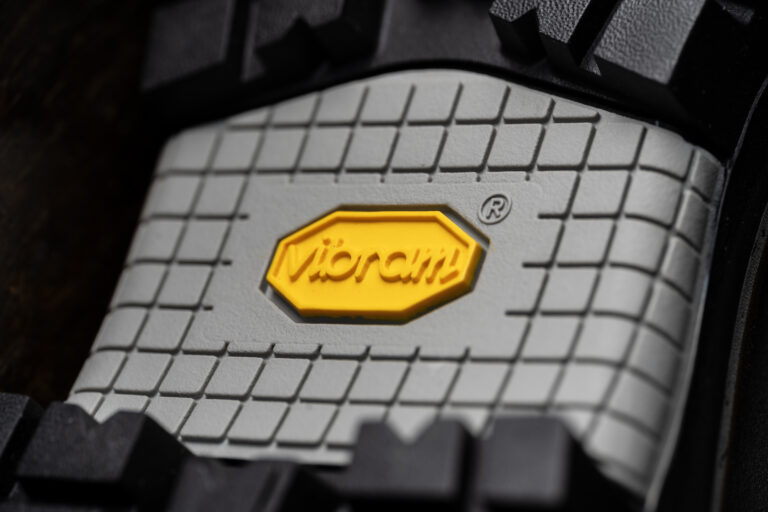
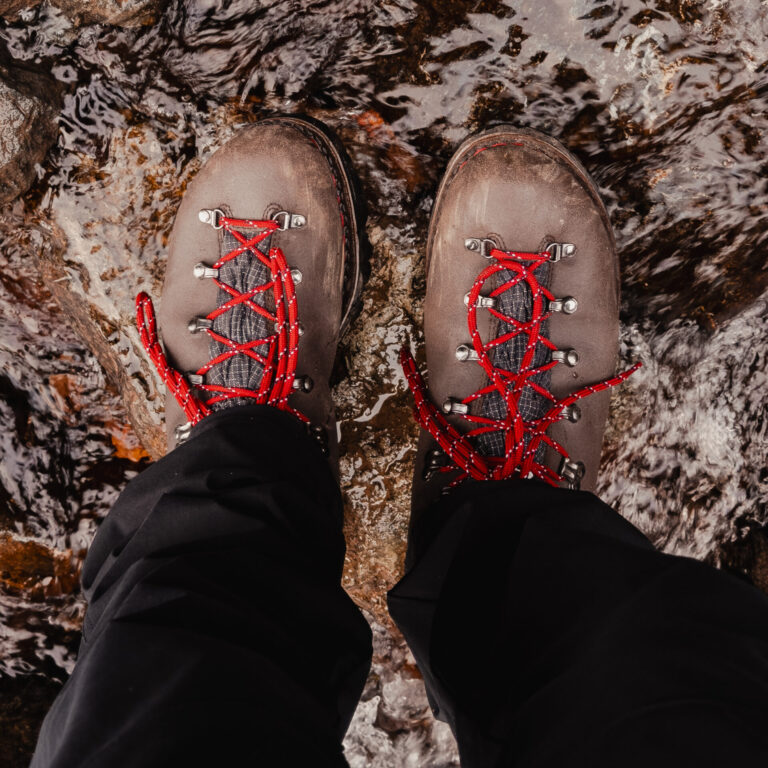
For trekkers, our Super Rando models are perfect. They offer the ideal compromise between support and flexibility. These shoes are equipped with Vibram blocks. They are specifically profiled for long-distance walking.
Whether you need a shoe with a Vibram sole for a committed expedition. Repairability is our common promise. Resoiling is always possible.
Vibram shoe: Super Rando
To choose your Vibram shoes, define the intensity of your activity. A Vibram model is a specific tool: any mismatch is inappropriate or even dangerous. At Galibier, segmentation is functional. Base your choice on: the technical nature of the terrain, the weight of your backpack, and the possible use of crampons.
Super Rando Mid and Low : Vibram shoes
If you’re more inclined towards demanding trekking or long-distance hiking (such as the Tour du Mont-Blanc or the GR20), our Super Rando models are your best allies.
The Super Rando Mid is designed to offer effective protection for the malleolus, making it ideal for rough terrain and technical trails where extra support is needed to avoid twisting and bumping.
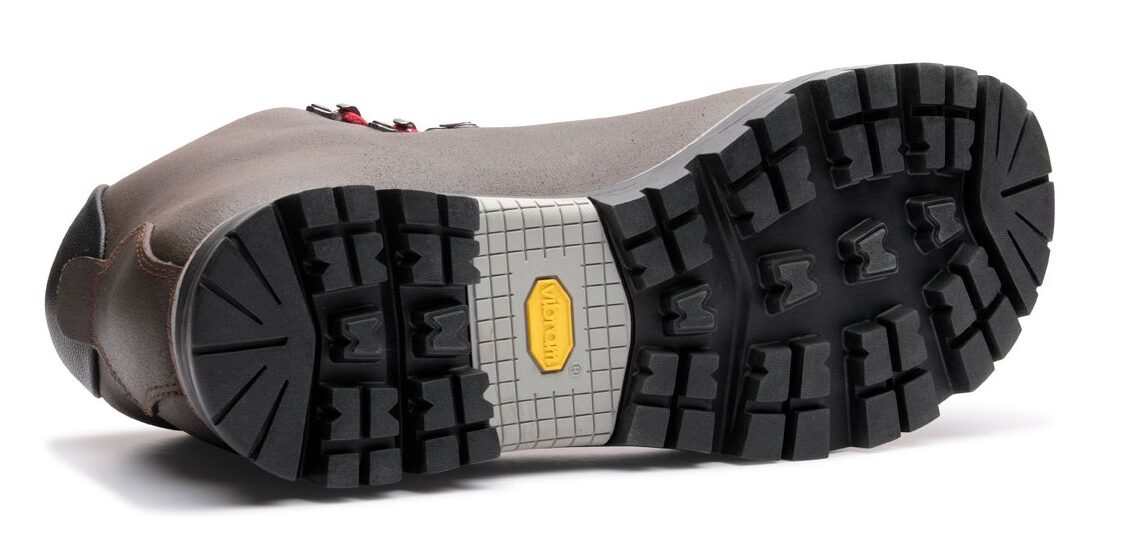
The Super Rando Low, on the other hand, stands out for the freedom of movement it provides, favoring a dynamic, fast gait, which is perfect for active walking or activities where agility and lightness are favored.
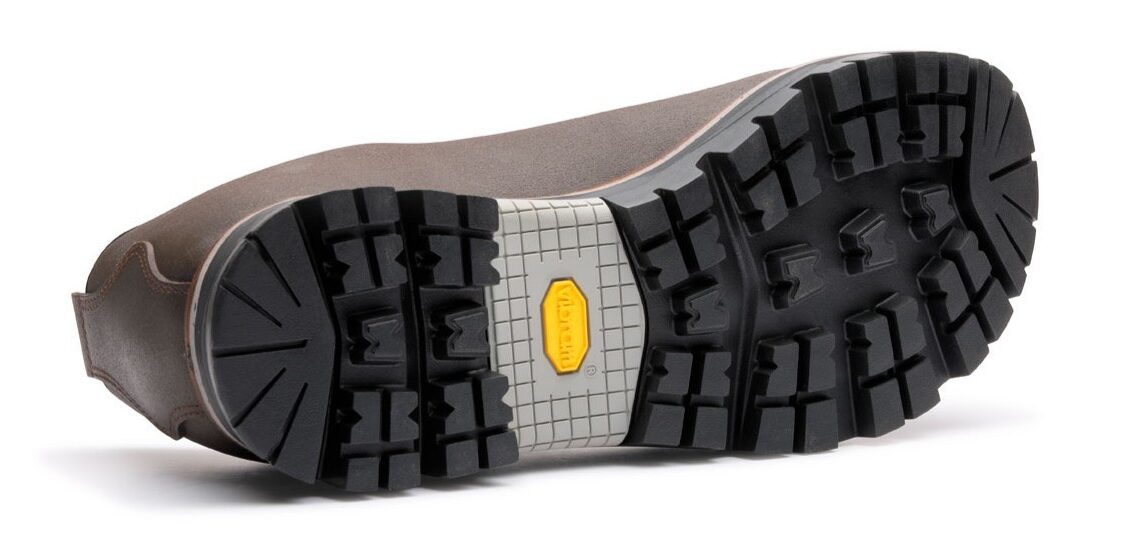
Choosing a Vibram Galibier shoe is more than just a purchase. It’s a lasting investment in your safety at altitude. The grip of Durastep rubber secures your every step. Exclusive SpringLug cushioning protects your joints on long treks.
You can walk with peace of mind, no matter what the weather throws at you.
FAQ – Vibram shoe
GALIBIER

If the mud is washed away, the micro-residues of dirt and grease can clog the rubber’s pores, reducing grip on smooth rock. Never use aggressive detergents or solvents (petrol, acetone) that would chemically attack the rubber.The Galibier method: vigorously scrub the sole with a polishing brush, warm water and a cleaning foam. Rinse thoroughly. Take the opportunity to remove any small stones trapped in the ridges, which could eventually puncture the midsole (the cushioning layer between the outsole and the shoe).
Don’t wait until the sole is smooth before taking action. The warning sign is the depth of the studs: below 3 to 4 millimeters, water can no longer drain off properly (risk of aquaplaning on rock). Another less visible but critical sign is the hardening of the material.
If, when you dig your fingernail into a cleat, the rubber no longer marks at all and appears vitrified, it has lost its elastic properties. It’s time to send your shoes to our workshop or a partner shoemaker for a complete reshoeing.
Yes, it’s a little-known phenomenon called hydrolysis. Polyurethane (often used in insole blocks for cushioning) and, to a lesser extent, rubber, can chemically disintegrate with air humidity if stored for too long without moving in a confined area (damp cellar, plastic bag).
To prevent the soles from peeling off or crumbling when you start walking again, store your Galibier shoes in a dry, well-ventilated, temperate place. Wearing your shoes regularly prevents premature aging.