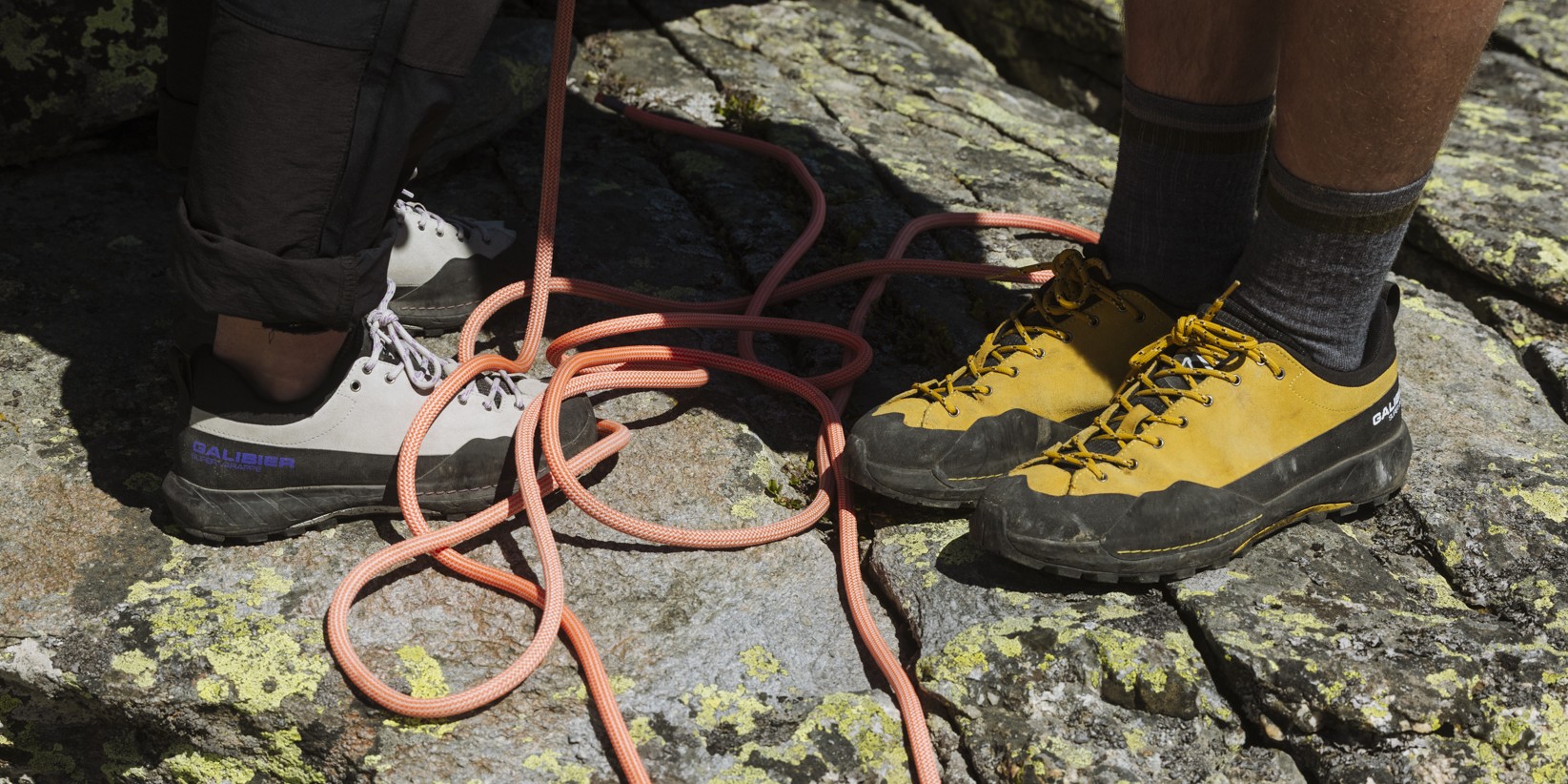
In the mountains, the demanding terrain leaves nothing to chance. The approach hike is often the first real challenge of the day: a vital, sometimes very rugged link between the technical trails in the valley and the base of the cliff. To navigate these elevation changes with confidence, approach shoes have become an indispensable piece of technical gear. Before crossing an unstable scree field or climbing the rungs of a via ferrata, the precision of your footing is indeed crucial. But who is this hybrid piece of gear really for, and how can you be sure you need it?
Whether you’re a seasoned mountaineer looking for traction on the rock or a fan of steep hikes, it’s essential to understand the capabilities and limitations of approach shoes. This guide is designed to help you assess your needs so you can identify the versatile model that will provide the precision and reliability you need for your adventures.
Approach Walk: Definition and Uses
Before exploring the technical nuances of rubber and traction on rock, it is important to precisely define the context of the approach hike. Originally conceived as a connecting route, this discipline refers to the often demanding path that links the valley to the base of cliffs or high-mountain routes. From rocky slabs to steep trails, passing through unstable scree fields.
Under these conditions, you need a shoe that can grip the rock effectively and provide great precision on technical sections. The goal is to reach the starting point of your climb safely and without excessive fatigue. In other words, an approach shoe is a highly specialized technical compromise. It combines the reliability of a hiking boot, the agility of an outdoor sneaker, and the precision of climbing shoes.
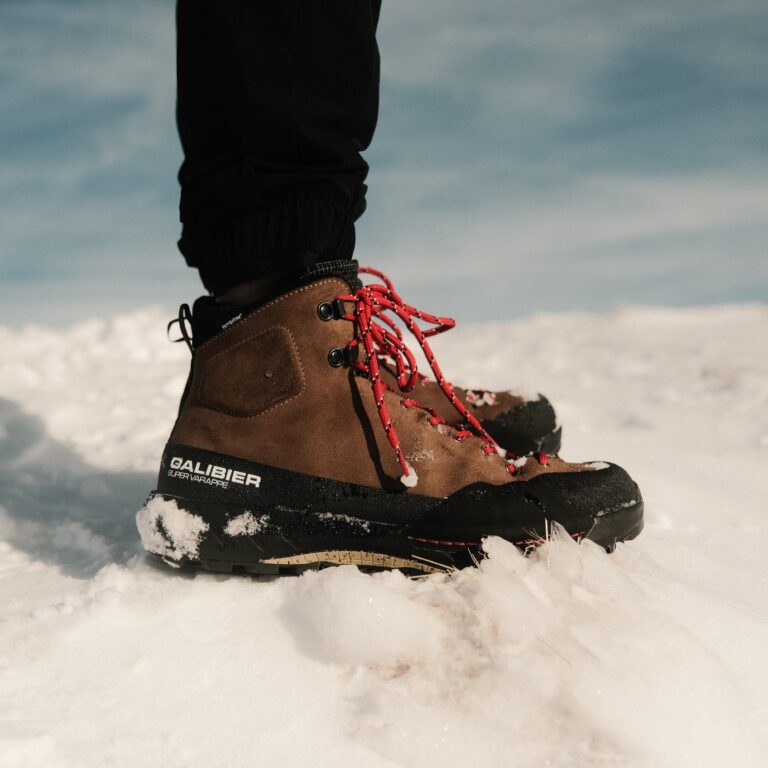
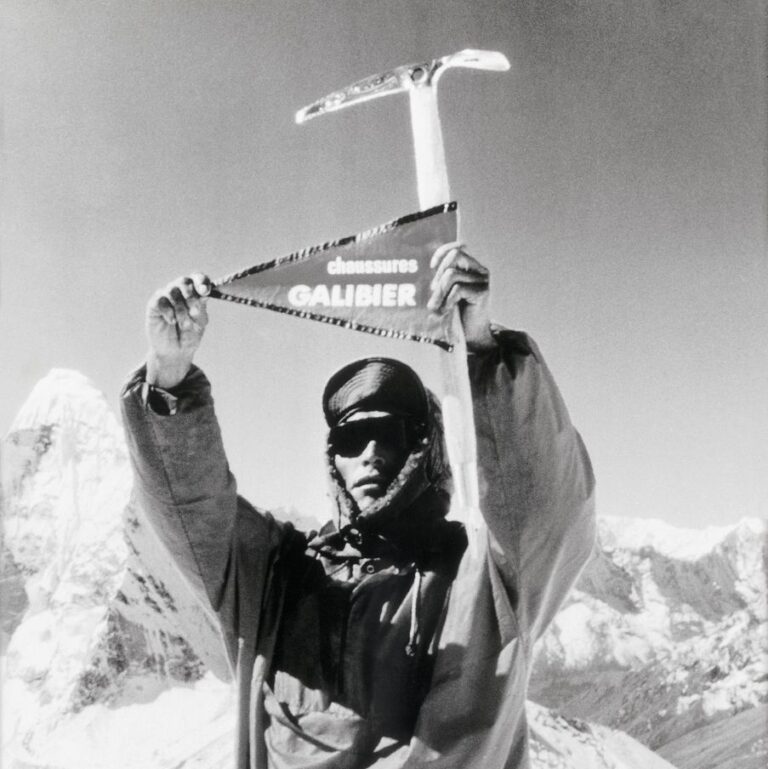
The approach shoe was historically born out of a real need in the field. Until the 1980s, climbers had to endure heavy, stiff mountaineering boots for simple approach hikes or risk ruining their lightweight shoes on scree slopes. There was a missing link. It was to meet this need for speed and agility that boot-making expertise evolved.
At Galibier, our focus has always been on adapting our heritage. We aim to preserve the reliability and protection of our full-grain leather while making the upper lighter and pairing it with high-friction soles inspired by the world of rock climbing.
Approach Shoes vs. Hiking Boots
This question often comes up when choosing gear: should you go with an approach shoe or a hiking boot? Unlike a classic hiking boot, an approach shoe typically features a low-cut upper and a much snugger fit. It’s designed for rugged terrain, where a hiking boot reaches its limits in terms of precision at the toe.
On the other hand, this advantage on rocky terrain comes at a cost. An approach shoe has a stiffer sole and often less cushioning. It’s therefore less comfortable on long hikes or on rolling, flat trails. If your goal is to cover long distances on marked trails without technical difficulty, classic hiking remains the best choice. If you’re aiming for steep terrain and scree, approach shoes are your best ally.
How to Choose Your Approach Shoes
Finding the right pair of approach shoes isn’t just a matter of choosing your usual size. It’s a technical equipment choice that depends directly on your level of commitment to mountaineering. Before making a purchase, you need to evaluate four fundamental criteria to find the right balance. These include foot protection, precision on the rock, and freedom of movement.
Types of Technical Terrain
Your choice should be based first and foremost on the environment you’re climbing in. On bare rock or sloping slabs, a smooth toe is essential.
For rocky trails or hiking in the forest, you’ll need hiking boots with deep lugs.
Technical and mixed terrain, on the other hand, require the perfect balance. You need the stiffness to support your weight on small footholds and the flexibility necessary for a natural foot strike.
Sole and Traction
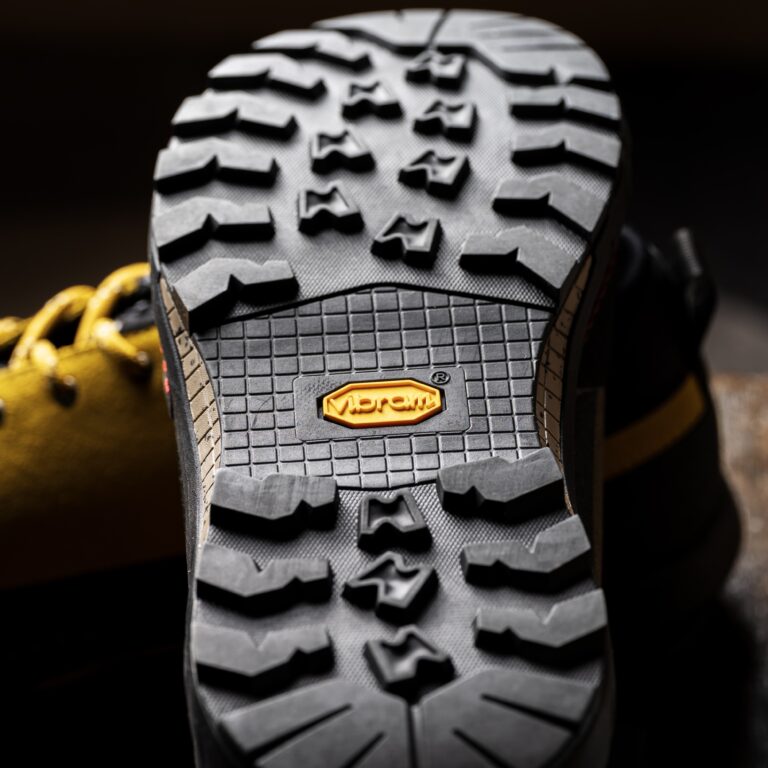
Traction is key. The rubber used must provide maximum friction similar to that used in rock climbing to give you confidence on smooth or wet surfaces. A “climbing zone” (a flat area at the front of the sole) is a must-have if you plan to tackle simple rock routes where precision at the toe is vital.
The Support and Construction of an Approach Shoe
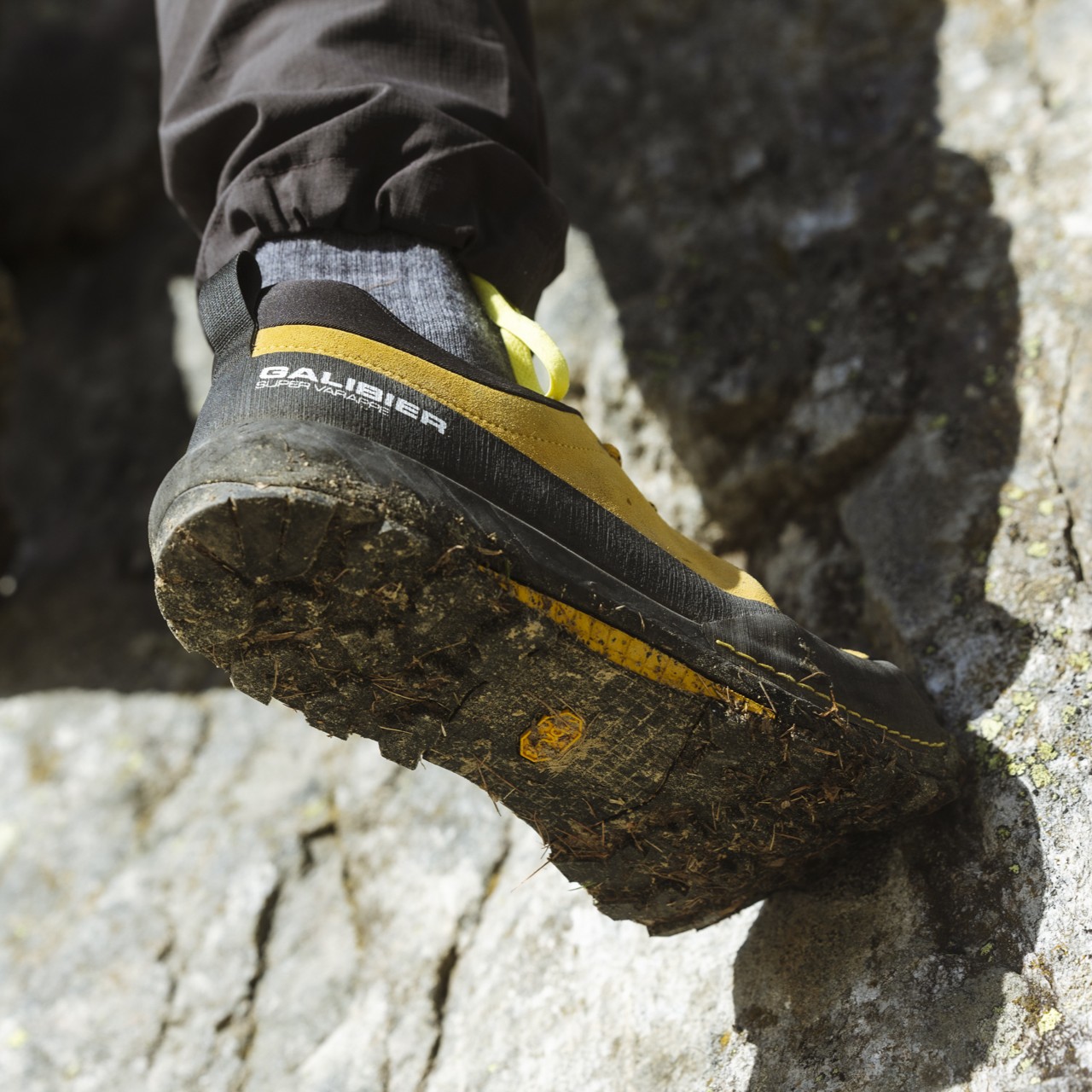
The design of a climbing approach shoe is characterized by an asymmetrical lacing system that extends very low toward the toes. This system allows for millimeter-precise adjustment of the shoe’s fit, enveloping the foot to prevent any internal slippage when stepping on overhangs. The reinforced lateral stiffness also protects the ankle from twisting on scree slopes.
Comfort and Weight
While technical performance remains paramount, foot comfort should not be overlooked, especially during long walks. The use of shock-absorbing midsoles typically made of EVA by experts such as Vibram is a valuable asset.
Lightweight design is also a practical necessity. Once you start climbing, these shoes may end up on your harness or at the bottom of your backpack.
Approach Shoes: Men vs. Women
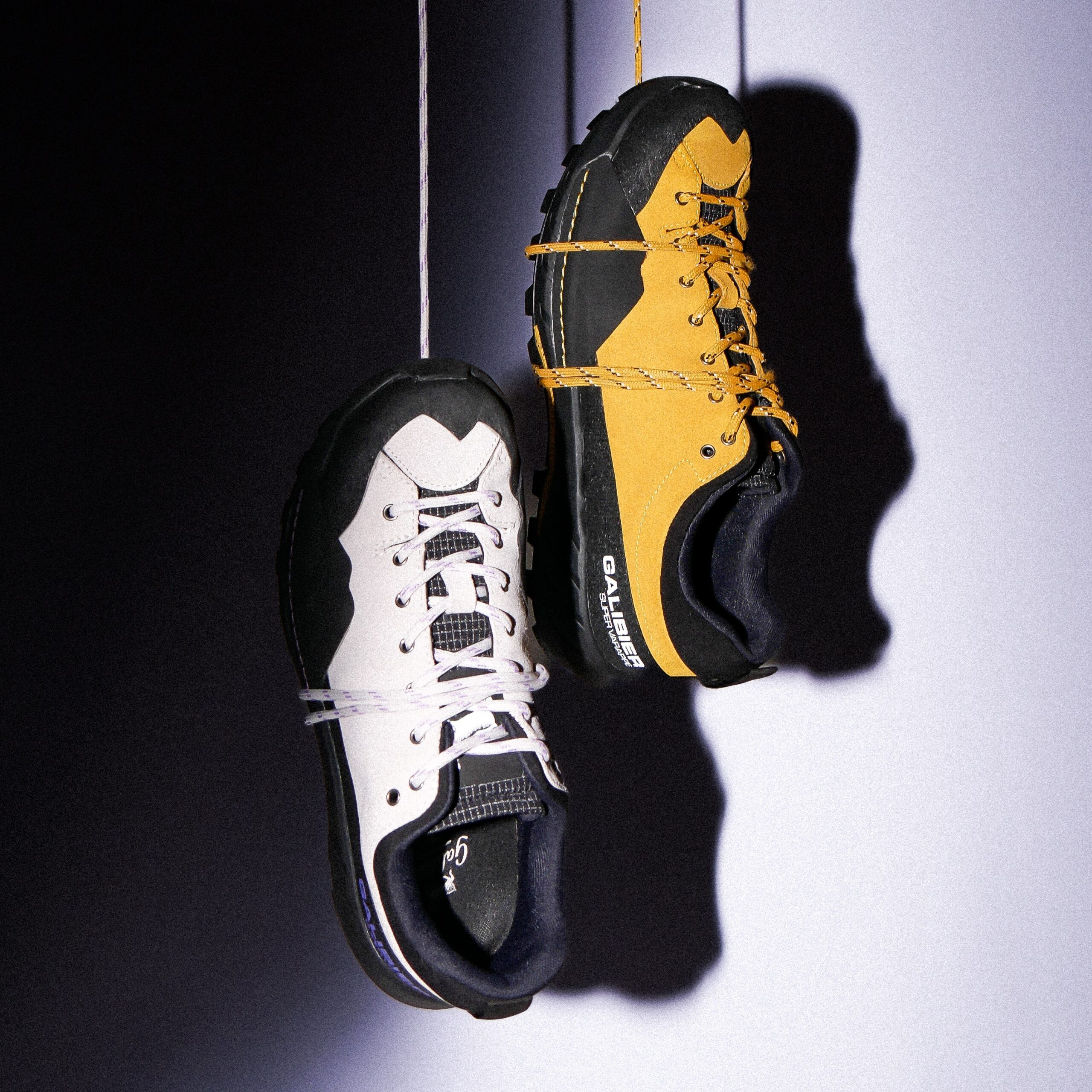
The demands of the mountains are universal. That’s why our approach shoes are designed to be gender-neutral, with a precise fit that adapts to different foot shapes thanks to our lacing system. To make your search easier, check out our articles dedicated to men’s approach shoes and women’s approach shoes, which will help you choose the model that best suits your needs.
Typical Uses for Approach Shoes
These technical shoes aren’t just for mountaineers. They excel at technical hiking, ridge walks, and via ferrata, where the sole’s grip provides peace of mind. Many climbers also use them for easy climbing routes where wearing climbing shoes is unnecessary.
Finally, their reliability makes them excellent companions for mountain professionals and dedicated travelers who need to travel light but safely. Use them to thoroughly prepare for your outings and check in advance the technical difficulty of the approach routes to your climbs. Feel free to consult the go-to collaborative guidebooks on platforms like Camp to Camp.
A Closer Look at Galibier Approach Shoe Models
At Galibier, we craft gear for those whose spirits truly dwell on the summits. With every pair of approach shoes we create, we uphold an unwavering commitment: to defy time and the fleeting nature of things.
Super Varappe Mid: The Approach Shoe for Demanding Treks
The ideal women’s approach shoe for trekking on challenging terrain, the Super Varappe Mid offers comfort, absolute protection, and long-lasting durability. It features a waterproof and breathable Sympatex membrane and a high-cut upper for excellent ankle support.
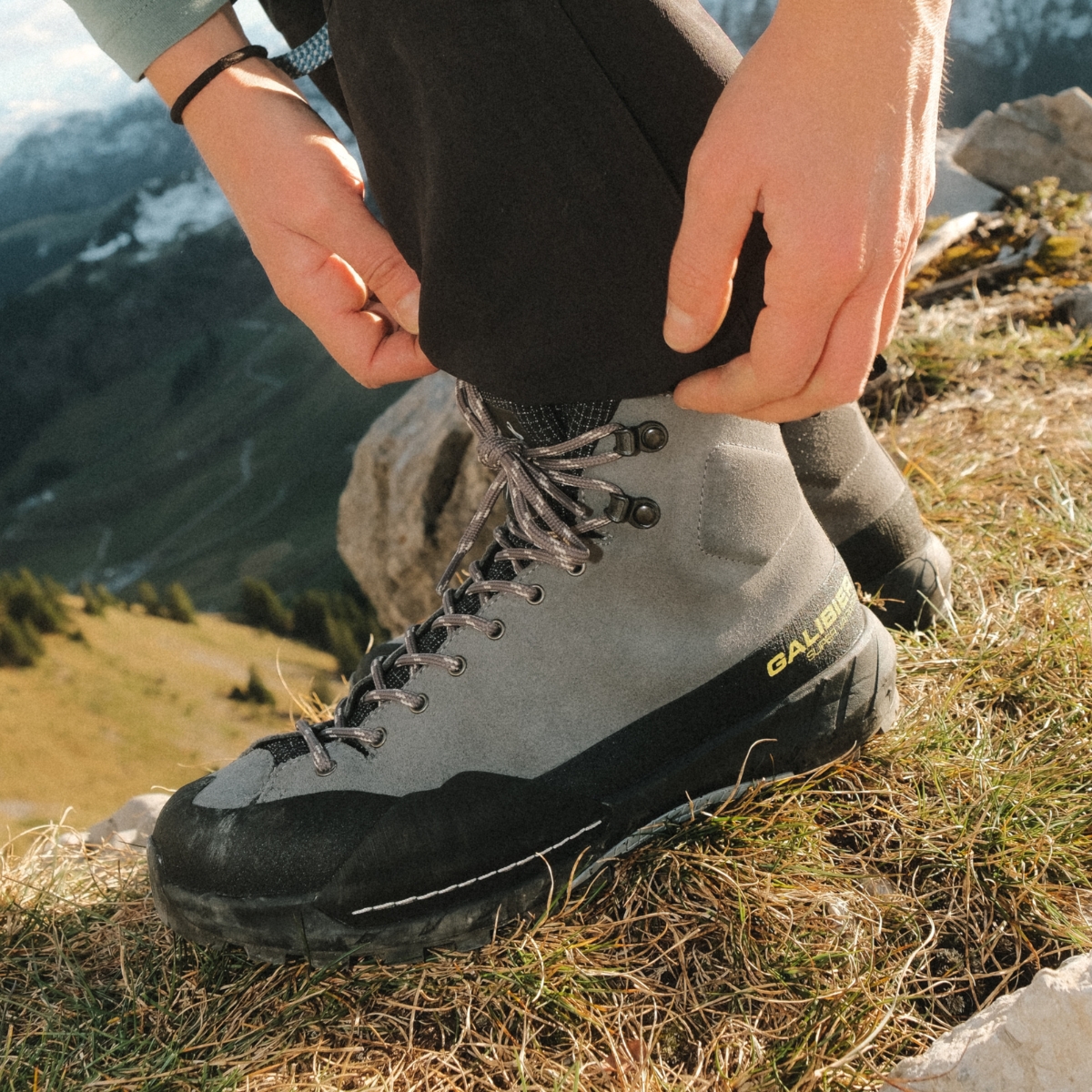
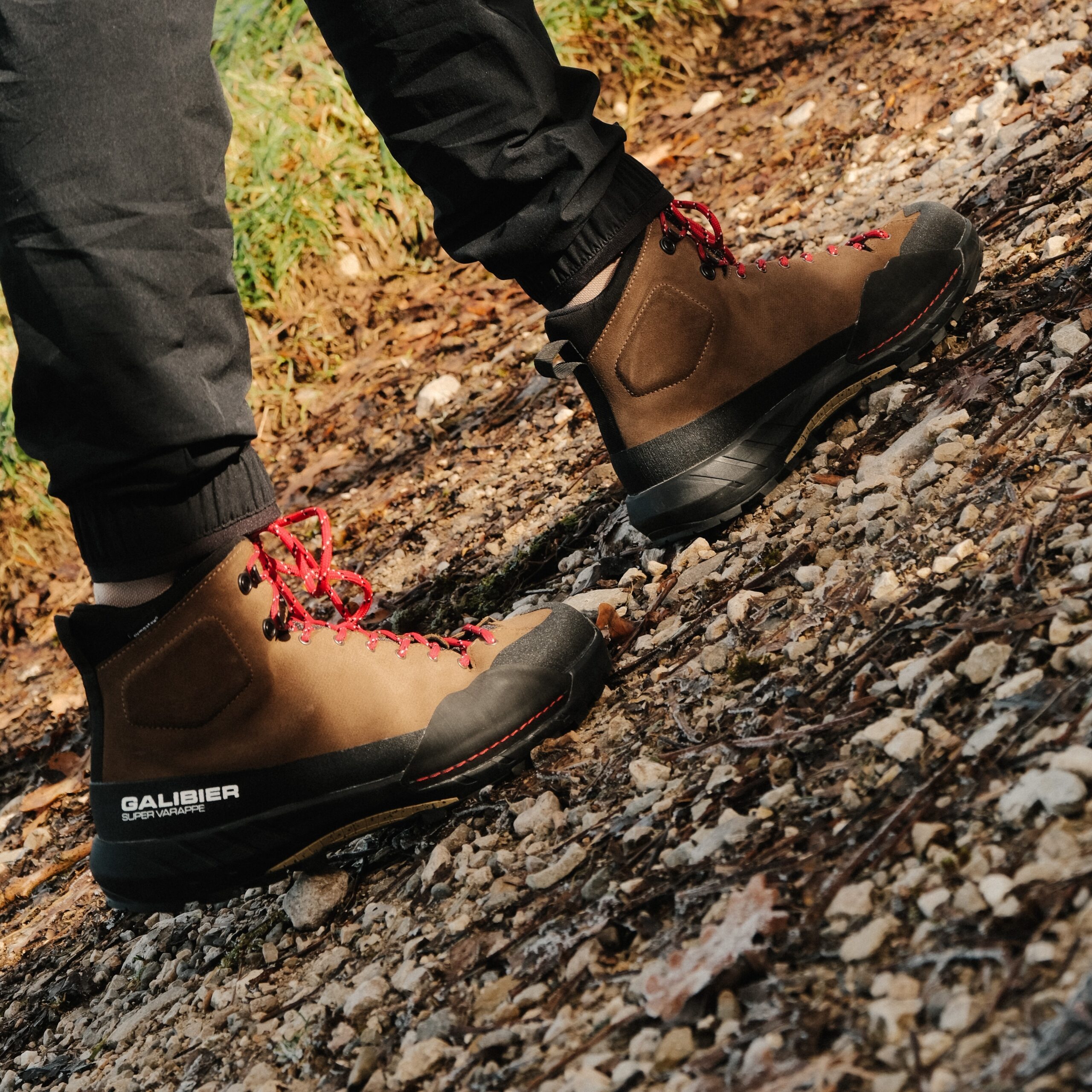
Men's approach shoes for your hikes. The Super Varappe Mid offers complete waterproofing (100% recyclable, PFAS-free Sympatex membrane) and high breathability. Its mid-cut design ensures reliable ankle support on rugged terrain. Designed for the mountains, in all weather conditions.
Super Varappe Low: The Multi-Activity and Approach Shoe
Agile and lightweight, the Super Varappe Low is revolutionizing fast approach hiking for women. It combines Perwanger leather and Dyneema fabric for total protection against rocks and moisture. Ideal for a variety of activities, it offers precision, responsiveness, and reliability.
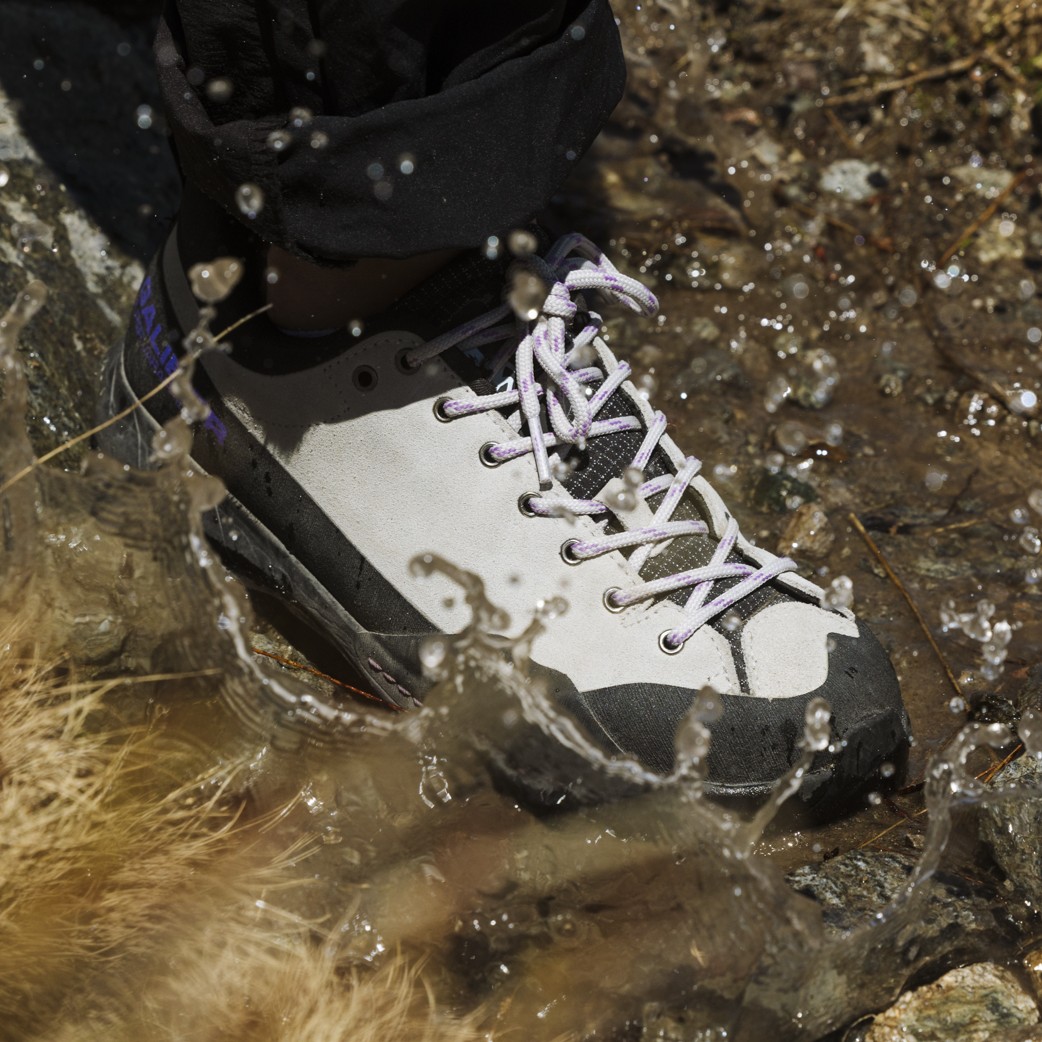
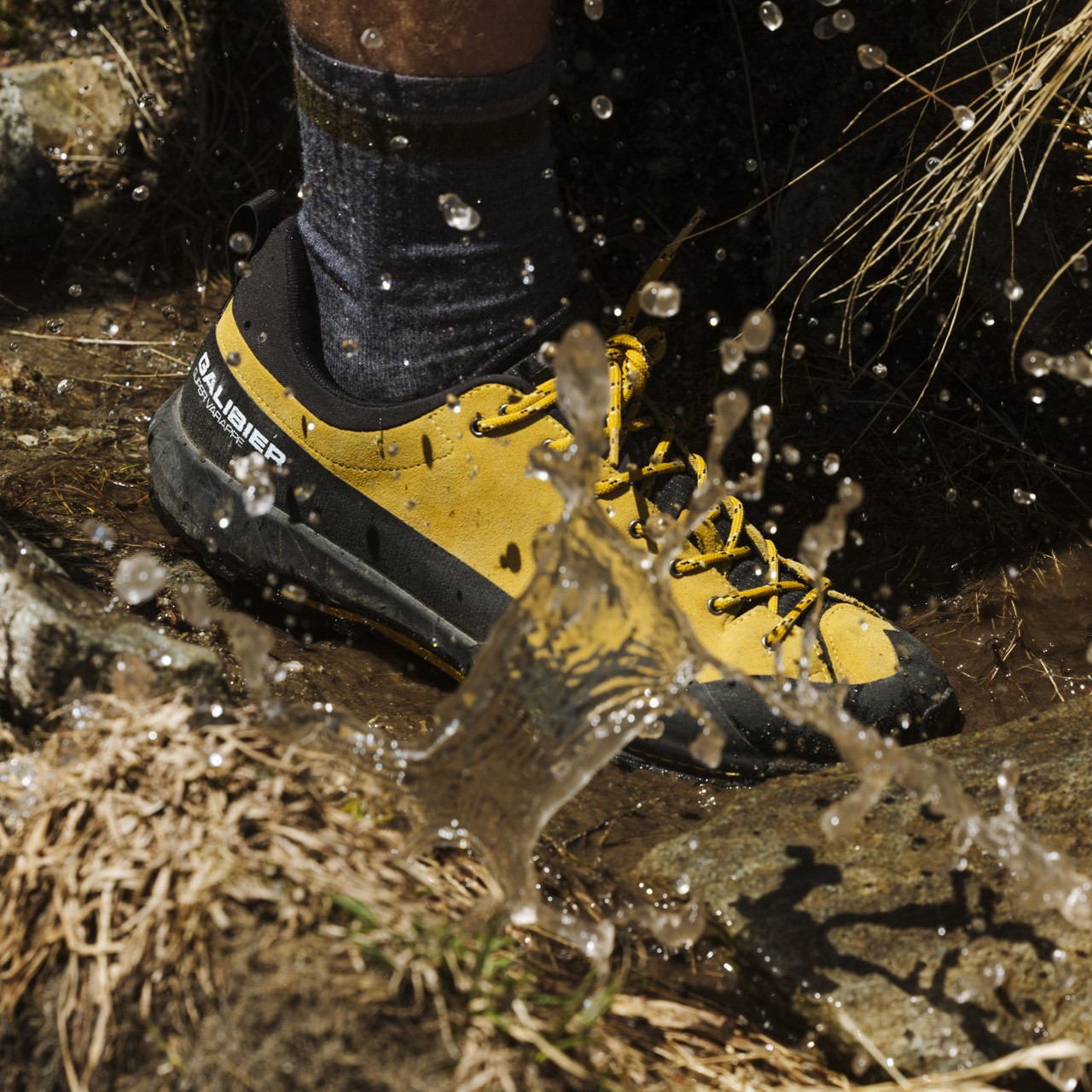
The ultimate men’s approach shoe, the Super Varappe Low for men is a lightweight (765 g) and ultra-competitive shoe. Featuring Perwanger leather and a Dyneema tongue, it’s ideal for approach hikes and via ferrata.
Wearing a Galibier Super Varappe isn’t just about putting on a piece of cutting-edge technology it’s about embracing a philosophy. It’s about choosing to walk with the confidence that comes from a century of expertise, while remaining firmly committed to innovation. Don’t let doubt creep in at the base of the cliff. The mountain is calling answer it with the gear it deserves.
“Walking to rediscover meaning in life.”
Caring for Your Approach Shoes
Regular maintenance is essential to protect your approach shoes from rock abrasion.

1 – Drying
Leave to dry naturally in an airy room, away from heat sources (radiator, fireplace, sun) to prevent the leather from hardening or warping.

2 – Brushing and cleaning
Brush and clean gently to remove dust, mud and dirt, using a polishing brush or foam cleaner if necessary, but never machine wash shoes.

3 – Nourishing the leather
Apply a thin layer of natural wax to keep leather supple, prevent cracking and revive its color.

4 – Waterproofing
Spray a waterproofing agent all over the shoe, paying particular attention to the seams, to limit water penetration and extend the life of the leather.
Choosing a Galibier design means embracing a philosophy where ergonomics meets authentic style. By combining technology with traditional boot-making expertise, you ensure your feet have the reliability they need for every mountain challenge.
FAQ – Approach Shoes
GALIBIER

What are approach shoes? They are a hybrid mountaineering shoe that combines the walking comfort of a hiking boot with the technical grip of a climbing shoe. They are used to reach the start of a mountaineering route over steep terrain.
Yes, but with some caveats. They’re excellent for technical hikes, scree slopes, and via ferrata. However, their stiffness and flat forefoot make them less comfortable than trail running shoes on very long, flat distances or on easy, marked trails.
Absolutely. Their design thanks in particular to the “climbing zone” and their high-grip rubber allows you to move safely on boulders, rock edges , or easy-to-moderate climbingsections where the use of asymmetrical, restrictive climbing shoes isn’t yet necessary.